Why Do Americans Wear Jeans So Often? An Expert Guide
Jeans are more than fabric and stitching in the United States — they’re a cultural shorthand, a workhorse, and for many people the first thing they reach for in the morning. From farm fields and factories to runways and social feeds, denim has repeatedly reinvented itself while staying remarkably familiar.
The result is a garment that fits into almost every corner of American life: functional, identity-laden, and endlessly adaptable. Whether you’re dressing for a weekend coffee run, a night out, or a brand photo shoot, there’s a pair of jeans that suits the role.
Americans wear jeans so often because denim blends unmatched durability, functional comfort, and cultural meaning. Originating as workwear, jeans were popularized by Hollywood, music subcultures, and mainstream fashion, then diversified into numerous fits (skinny, straight, baggy, selvedge) that meet both practical and stylistic needs. That mix of utility, identity, and trend flexibility makes denim a perennial U.S. wardrobe staple.
because the story of why Americans love jeans isn’t just history and hashtags. It’s about how fabrics, fits, and factories meet changing tastes (think Gen Z’s move away from skinny jeans), how to pick the right fit using simple rules like the “2-finger” waist test, and what designers and boutique owners should ask a manufacturer today if they want custom, high-quality denim at low MOQs.
I’ll also walk you through real sourcing choices: what to trade off for sustainability, inclusivity, and complex custom finishes. Stick around — I’ll end with a practical checklist and exactly how DiZNEW can turn your design into production, from a 30-piece sample run to a 10,000-piece order.
What historical and cultural forces turned jeans into an American wardrobe staple?
Jeans became an American staple due to a convergence of pragmatic origins and cultural myth-making. Built for labor during the Gold Rush and popularized by Levi Strauss, denim’s durability matched working-class needs. Hollywood’s rebels and youth subcultures later transformed jeans into symbols of independence and cool. Over time, democratization of style, mass manufacturing, and global marketing cemented jeans as everyday clothing across ages and classes.
Denim's story begins with necessity. In mid-19th century America, miners and laborers needed rugged trousers that resisted wear; canvas and duck were used, then Levi Strauss and Jacob Davis secured riveted denim in 1873, designed for durability. The functional advantage — hard-wearing cotton twill dyed with indigo that hides stains and ages characterfully — set jeans apart as practical workwear.
But workwear alone doesn’t explain jeans’ cultural gravity. Beginning in the 1930s-1950s, film and popular media recast denim as a symbol of youth defiance. Movie stars like James Dean and Marlon Brando wore jeans as shorthand for rebellion; the garment’s blue-collar roots gave it authenticity that couldn’t be bought. In postwar decades, jeans migrated into mainstream wardrobes, aided by affordability, mass production, and the ability to adapt through cuts and finishes.
Subcultures accelerated denim’s reinvention. Rock and roll, punk, hip-hop, and skate cultures each took denim and made it their canvas — adding rips, patches, custom washes, and brand signifiers. These subcultures were catalytic: they made jeans a medium for identity. By the late 20th century, designers reclaimed denim for luxury and runway contexts (think: distressed designer jeans, selvedge denim, high-fashion treatments), further expanding jeans’ market positions from utilitarian to aspirational.
Globalization and retail dynamics sealed the deal. As production scaled overseas and retail expanded (fast fashion, e-commerce), jeans became more accessible and varied. Consumers could buy a cheap pair for trend experimentation or invest in high-end selvedge for durability and heritage. Importantly, jeans’ ability to “age” well—fade patterns that tell personal stories—adds perceived value over time, a psychological appeal unique among garments.
Consumption patterns reflect this layered appeal. Some Americans treat jeans as daily workwear and own multiple pairs for function; others curate denim collections as style statements. This versatility—spanning price points, narratives, and practical uses—explains why denim maintains cultural centrality. Finally, the garment’s adaptability to new trends (from skinny in the 2000s to baggy and relaxed fits favored by Gen Z today) ensures that jeans stay relevant rather than relics.
What functional qualities make jeans so comfortable, durable, and versatile?
Jeans combine a durable twill weave, indigo dyeing, and robust construction (rivets, reinforced seams) to deliver longevity. Modern variations — stretch blends, different weights, and finishes — balance comfort and resilience. Diverse cuts (skinny, straight, baggy, jogger) and finishes (raw, distressed, selvedge) make denim suitable for many bodies, climates, and social occasions, explaining its everyday utility and broad appeal.
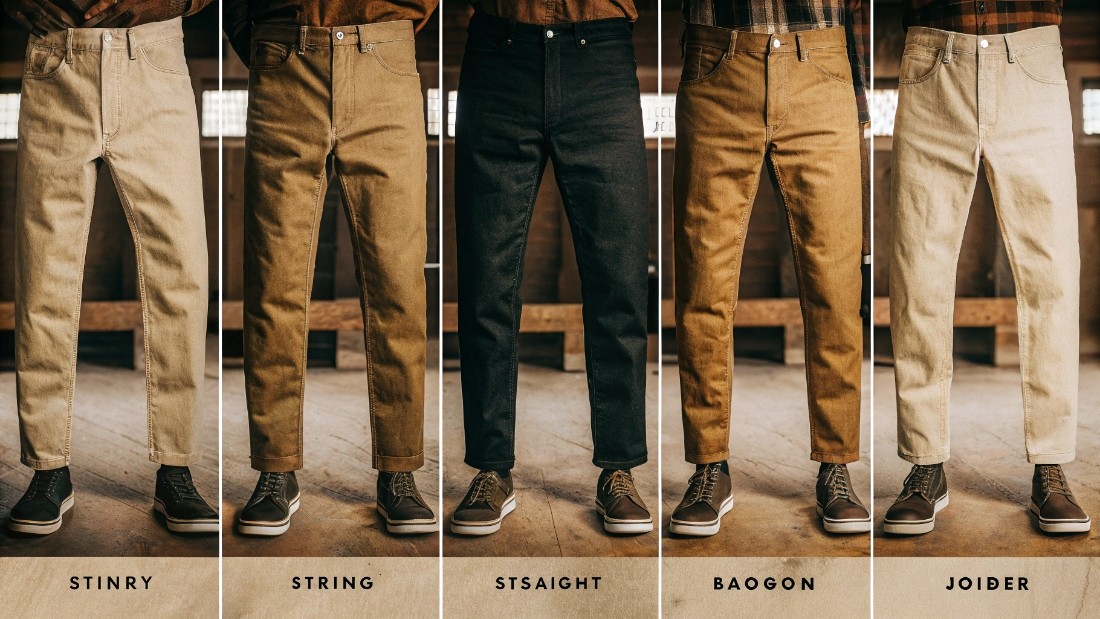
At its core, denim’s functional success stems from fabric construction. Traditional denim is a cotton twill with a warp-dominant indigo-dyed yarn and an undyed weft; this produces the classic diagonal rib and results in a face that hides wear and a backside that shows fading as the garment ages. Twill’s structure adds tensile strength; combined with rivets and double-stitched seams, jeans were optimized for heavy use from the outset.
Weight matters: denim weights range roughly from 8 oz (light) to 21+ oz (heavy selvedge). Light-weight denim breathes well and suits warmer climates or fashion-oriented garments; mid-weight (10–14 oz) is the everyday balance of durability and comfort; heavy-weight denim (15+ oz) is stiffer initially but forms a unique fit over time and is prized for longevity and fade character. Manufacturers choose weight based on intended use: apparel for kids/activewear leans lighter, while heritage selvedge uses heavier yarns.
Modern stretch denim adds elastane (1–3% typical) to give flexibility and recovery, improving comfort in slim cuts and active uses. However, stretch impacts longevity and fading differently; heavier, non-stretch denim ages with clearer fades. Blends (cotton/poly) can improve cost and shrink resistance but sacrifice some breathability and fade quality.
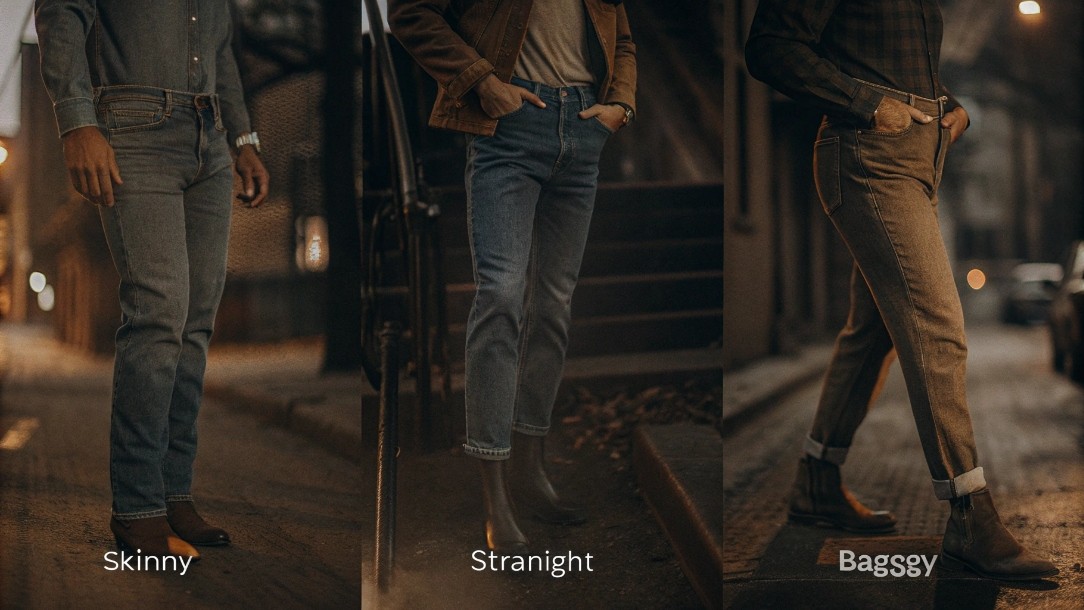
Fit and cut are the other functional variables. Here’s a quick map:
Skinny: close to the body, relies on stretch, good for layering and sleek silhouettes, less airflow.
Straight: classic, versatile, fits most body types, easy to dress up or down.
Baggy/Relaxed: more room for movement, favored for comfort and layering; aligns with Gen Z trends and streetwear.
Stacked/Long-rise: style-forward, creates visual emphasis around the ankle/drape.
Jogger denim: elasticated cuffs and tapered leg for comfort and sport-inspired looks.
Practicality across seasons: jeans perform well year-round. Heavy denims can act as cold-weather insulators; lighter denims keep things breathable for summer. Finishes such as enzyme washes, stone washes, and coating can affect breathability and care. Water-resistant coatings exist but reduce breathability and alter fades.
Fit checks like the “2-finger rule” help consumers find the right waist fit: when the jeans are buttoned, you should be able to slide two fingers comfortably between your body and the waistband. This approximates a comfortable, non-compressing fit that avoids gapping and excessive tightness — useful for both tailored and relaxed cuts.
Care and repair are part of denim’s functional value proposition. Many denim buyers accept aging (fades, whiskering) as desirable; others expect colorfastness and minimal distressing. Brands and factories must communicate fabric care and expected shrinkage, and offer repair kits or reinforcements for long-term customers. From a manufacturing perspective, offering varied fabric weights, stretch percentages, and finishes allows brands to address both utility-driven customers and trend-driven consumers.
How do fashion trends, celebrities, and subcultures keep jeans relevant today?
Celebrities, subcultures, and social platforms rapidly shape denim’s look: from punk and hip-hop to runway and TikTok. Gen Z’s preference for baggy fits and anti-skinny aesthetic is driven by comfort, nostalgia, and identity signaling. Influencers and boutique retailers accelerate trend cycles, while heritage and sustainable denim niches anchor long-term interest.
Denim’s fashion life is cyclical, propelled by cultural leaders and fast-moving social platforms. Historically, cinema and music did the heavy lifting: Hollywood turned jeans into symbols of rebellion; rock, punk, and later hip-hop adapted denim into uniforms for subcultural identity. Today, the accelerant is social media — Instagram and TikTok can make a silhouette viral in days. A celebrity or influencer wearing a specific fit can create mass demand almost instantly, pushing manufacturers and retailers to react quickly.
Gen Z’s denim preferences are a great example of cultural feedback loops. Many young consumers moved away from the skinny jeans trend (dominant in the 2000s–2010s) for several reasons:
Comfort and movement: baggy silhouettes align with a broader cultural emphasis on ease, lounging, and function.
Nostalgia and cyclical revival: 90s and early-2000s styles are back; oversized and relaxed cuts evoke Y2K and ‘90s references.
Identity and anti-conformity: rejecting tight, body-conscious silhouettes can be a statement against hyper-sexualized shaping of clothing.
Practical layering: baggy jeans allow for layering, a key part of streetwear aesthetics.
Why do Gen Z wear baggy clothes more broadly?
The trend is more than denim: oversized fits signal nonchalance, comfort-first living, and sometimes an anti-fashion stance. Streetwear brands and skate culture historically favor looser fits; as these cultures have mainstreamed, their aesthetics have influenced broader wardrobes. TikTok and YouTube style creators then amplify and monetize those preferences, creating rapid trend adoption among peers.
Subcultures also create demand for specialized denim: selvedge denim appeals to enthusiasts who value craftsmanship and long-term wear; distressed and patched denim resonate with DIY and punk aesthetics. Luxury houses adopted denim too, giving birth to high-end, high-price denim that mixes couture touches with workwear iconography.
Retailers and boutiques play a pivotal role in trend translation. Small online shops and influencers curate micro-trends — for example, “stacked” jeans or specific wash types — and can test limited runs quickly. This is where factories like DiZNEW add value: offering low MOQs (30 pieces) allows designers and boutique owners to test a trend or influencer drop without heavy upfront capital.
Fast trend cycles bring issues: overproduction, waste, and short-lived garments. Some segments counteract this with slow denim practices—high-quality selvedge, repairability, and transparency—appealing to consumers willing to invest. Brands must decide between quick-turn trend play (lower-cost, stretch denim, relaxed QC) and slow, durable investment pieces (heavier denim, detailed finishing, higher QC).
From a sourcing standpoint, the intersection of trend responsiveness and manufacturing agility is crucial. If a brand wants to capture a viral moment, they need a factory partner that can produce a small batch quickly, apply the right washes, and deliver consistent fits. If they’re building heritage, the focus shifts to fabric sourcing, heavier weights, and finishing techniques that produce desirable fade patterns over time.
How do manufacturing, sizing options, and sustainability affect accessibility and popularity?
Manufacturing models (OEM/ODM), inclusive sizing, and sustainable practices shape who can buy and how jeans are made. Low MOQs and flexible factories let indie brands enter the U.S. market. Inclusive ranges (plus sizes) broaden appeal. Sustainable practices—water-saving washes, recycled fibers, supply-chain transparency—attract eco-conscious consumers but typically raise costs and require supply-chain coordination.
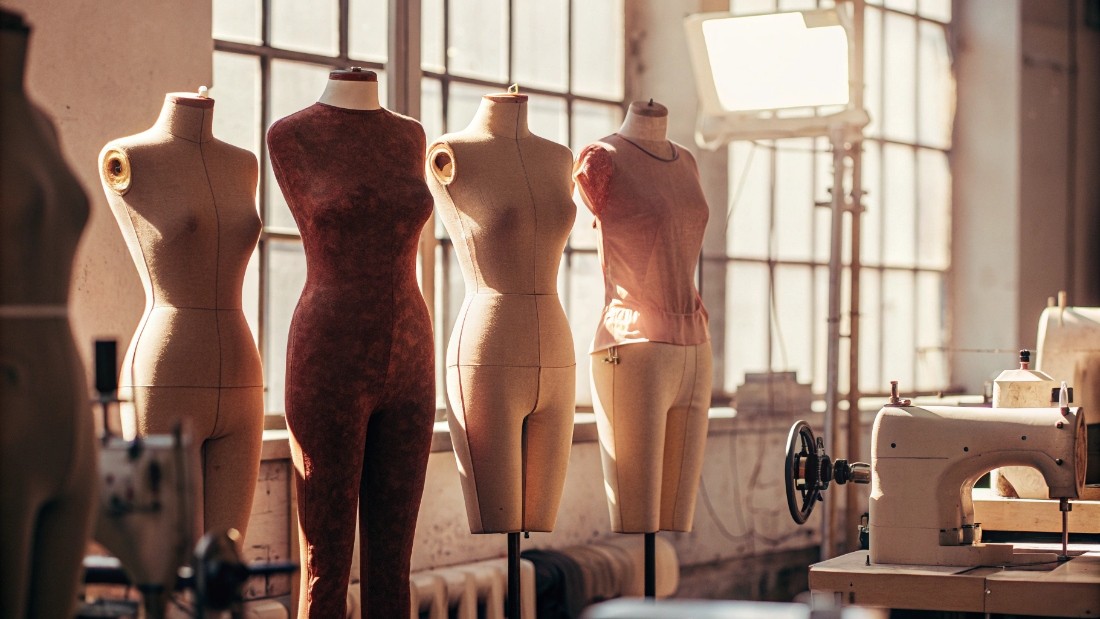
Manufacturing capability is a linchpin in denim’s accessibility. Traditional large-scale production favored big brands with high volume needs and long lead times. Today, flexible factories that offer OEM/ODM services and low minimum order quantities (MOQs) democratize access: a small U.S. boutique or independent designer can order 30-piece runs for sampling or seasonal drops and scale to thousands when demand proves out. DiZNEW exemplifies this model — experienced in complex customization, it supports low MOQs (~30) and volume scaling (10,000+ units) with focused quality controls.
Sizing is a critical commercial lever. Historically, many denim brands catered to a narrow size range, excluding a large segment of consumers. Inclusive sizing (extended waist and length options, plus sizes, and varied rise options) expands addressable market and signals brand inclusivity. But inclusive fit development costs more (pattern grading, fit models across sizes, more fit iterations). Brands must weigh the upfront investment against increased market reach and customer loyalty.
Sustainability is an increasing purchase driver, especially among younger consumers. Sustainable denim strategies include:
Water-saving dyeing processes (foam dyeing, e-flow systems).
Ozone or enzyme washes that reduce water/chemical use.
Recycled cotton or cotton-poly blends for circularity.
Garment-to-garment recycling and take-back programs.
Lower-impact indigo alternatives and better wastewater management.
However, sustainability often means higher production costs and more complex supply chains. Certifications (e.g., OEKO-TEX, GOTS for organic cotton) require traceability and auditing. Factories can implement greener processes, but brands must choose where to invest: a fully sustainable line is costlier to produce, but it can command higher retail price and brand equity.
Practical manufacturing considerations for buyers:
MOQ vs. cost-per-unit: smaller runs have higher per-unit costs due to setup and TO (technical officer) time. Scaling up reduces unit price but increases inventory risk.
Lead time: development cycles include fabric sourcing, patterning, sampling (fit iterations), wash development, bulk production, finishing, and shipping. Typical turnaround from first sample to bulk can range from 6–16 weeks depending on complexity.
QC and testing: colorfastness, tensile strength, shrinkage, and hardware durability testing are essential for long-term product performance and reduces returns.
Customization complexity: embroidered logos, selvedge tape, custom hardware, and complex washes require specialized processes and add cost/time.
Simple comparison table (illustrative):
| Option | Typical MOQ | Lead Time (sample→bulk) | Unit Cost Range | Best for |
| Low-run OEM/Small Batch | 30–200 | 3–7 weeks | Higher | Boutique drops, trend tests |
| Mid-volume Production | 300–5,00 | 4–7 weeks | Moderate | Growing indie brands |
| High-volume Bulk | 1000+ | 4–8 weeks | Lower | Mass-market brands |
Factory transparency matters. Brands should audit supply chains and ask for process metrics (water usage per pair, wastewater treatment, worker conditions) to back sustainability claims. Factories like DiZNEW that offer OEM/ODM services and experience with complex denim finishes can bridge the gap—helping brands make realistic sustainability commitments while managing cost structures.
What should designers, boutique owners, and buyers consider when sourcing or customizing jeans for the U.S. market?
When sourcing jeans, ask factories about fabric weight, stretch percentage, wash processes, MOQ, lead times, and QC protocols. Provide detailed techpacks, insist on fit samples and grading rules, and evaluate tradeoffs between price, customization complexity, and sustainability. Use low-MOQ sampling to test demand before scaling to larger orders.
Sourcing denim successfully requires a mix of creative clarity and manufacturing acuity. Here’s a practical, step-by-step guide that designers and boutique owners can use when engaging a factory:
1. Begin with a detailed techpack:
Include exact measurements (size spec charts), fabric composition (e.g., 98% cotton/2% elastane), weight (in oz), shrinkage allowance, pocket and seam specs, thread color, hardware, labels, and packaging instructions. The more precise, the fewer costly misinterpretations.
Add clear photos or CAD drawings, and a reference garment if possible.
2. Ask the factory these essential questions:
What is your MOQ for custom denim and for specific finishes? (DiZNEW: samples from 30 pieces, scale to 10,000+)
What fabric mills do you source from? Can you provide fabric swatches with GSM and stretch data?
What wash techniques and finishing capabilities do you offer (sandblast-free distressing, enzyme, ozone, hand sanding for natural-looking fades)?
What quality control checkpoints exist during and after production?
Can you provide fit samples and how many fit rounds are typical? What are the costs and lead times per round?
3. Fit development and the “2-finger rule”:
Start fit development with a size set (usually S, M, L or 2–3 graded sizes) and iterate with fit models that represent your customer base.
Use the 2-finger rule as a basic waist fit check — allowing two fingers between waistband and body. Combine this with fit photos and motion tests (sitting, squatting, walking) to ensure practical comfort, especially for active or baggy fits.
4. Understand cost and time tradeoffs:
Complex custom hardware (branded rivets, engraved buttons), multiple washes, or hand-finishes add cost and time. Decide what elements are brand-critical versus optional.
Prototype runs mitigate risk: a small 30–200 piece run tests sizing and wash acceptance. If your product proves, you can scale at better per-unit pricing.
5. Evaluate sustainability and compliance:
Ask for mill certifications, wastewater treatment details, and workers’ welfare audits if sustainability and ethical sourcing are brand cornerstones.
Consider blended approaches: start with a core “green” capsule while offering trend-driven, lower-cost items for volume.
6. Quality checks and aftermarket service:
Request pre-shipment photos, lab test results (colorfastness, shrinkage), and a final inspection report. Many brands also arrange third-party QC checks.
Plan for warranties or repair programs to strengthen customer trust—especially for higher-priced denim.
7. Packaging, brand details, and logistics:
Packaging decisions (recycled polybags, custom tags) influence cost and carbon footprint. Factories can often do private-label packaging; confirm minimums.
Consider logistics: DDP (delivered duty paid) vs. FOB (free on board) affects landed costs and inventory planning.
Real-world timeline example (illustrative):
Techpack & fabric swatches: 1–2 weeks
First fit sample: 2–4 weeks
Fit iterations: 2–6 weeks
Wash/finish approval: 1–2 weeks
Bulk production: 4–8 weeks
Shipping (air/sea): 1–6 weeks Total: ~11–28 weeks depending on complexity and shipping method.
Why choose a partner like DiZNEW?
Flexible minimums (start at 30 pcs), experienced in complex denim finishes and inclusive sizing, and capacity to scale to 10,000+.
End-to-end support: fabric sourcing, techpack interpretation, fit development, wash lab, and QC.
Specialty in plus-size grading, custom hardware, selvedge finishing, and complex wash recipes that many smaller factories can’t manage reliably.
Closing / Call to Action (response encouraging inquiries to DiZNEW)
If you’re a designer, boutique owner, or brand manager targeting the U.S. denim market—whether you’re testing a Gen Z–friendly baggy fit, launching a plus-size collection, or developing a heritage selvedge line—DiZNEW can help move your idea from sketch to finished product with pragmatic expertise. We offer low minimums to test market demand, detailed fit-development processes to ensure inclusive sizing, and advanced finishing capabilities for today’s complex denim trends. Our factory supports OEM/ODM, private label, and full custom branding.
Ready for a quote? Here’s what speeds the process:
A techpack or clear sketches/photos of the intended style
Target fabric type or allowance for fabric sourcing (e.g., 12 oz stretch denim)
Expected order quantity (sample run vs. bulk)
Desired lead time and target price-per-unit
Send these details to DiZNEW and you’ll get a practical production plan (sample timeline, MOQ options, and ballpark costing). If you haven’t yet finalized techpacks, DiZNEW also offers consultation to convert ideas into manufacturing-ready specs.
Final thought: jeans endure in the U.S. because they deliver on utility, identity, and flexibility. Partnering with the right manufacturer gives you the control to respond to trends (like Gen Z’s move to baggy fits), offer true inclusivity, and manage sustainability goals without compromising design. Contact DiZNEW today to start sampling—30 pieces can be the first step toward a signature denim line that resonates with American consumers.
Contact DiZNEW for custom denim manufacturing, OEM/ODM options, and fast sampling — email or request a consultation with your basic specs to get a tailored quote and sample timeline.
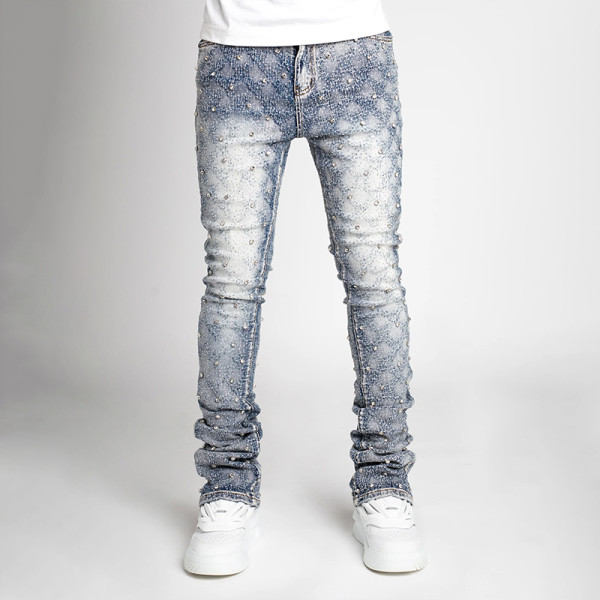
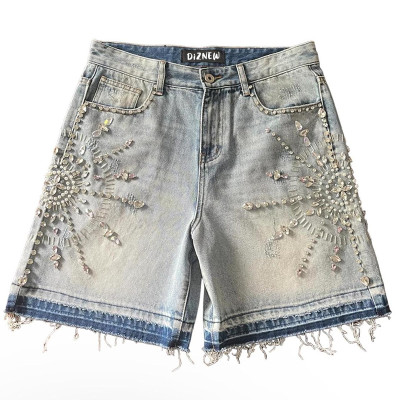
Stacked skinny jeans with all-over rhinestone detail and vintage wash. Built for high-end and boutique fashion labels.
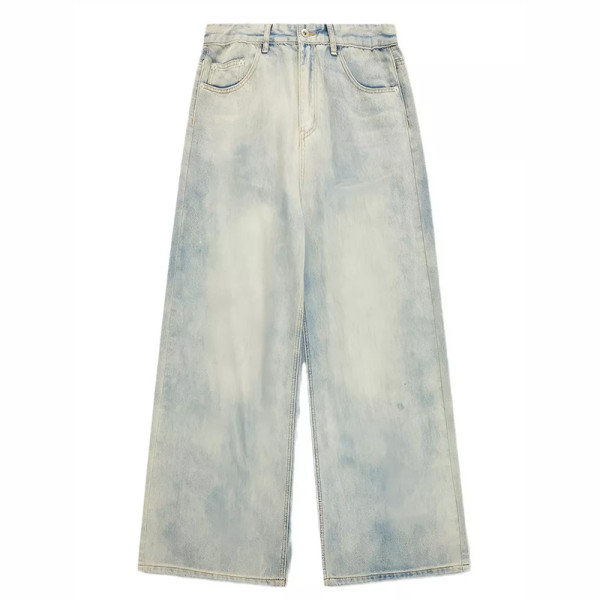
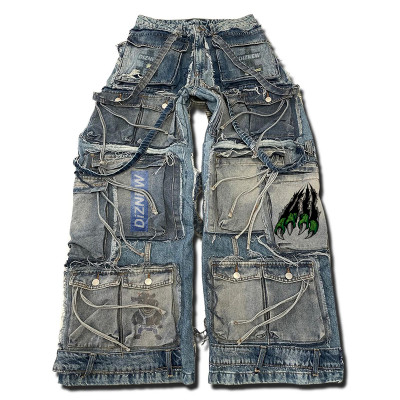
Washed high-rise wide-leg jeans with clean lines and vintage tint — ideal for refined luxury denim collections.
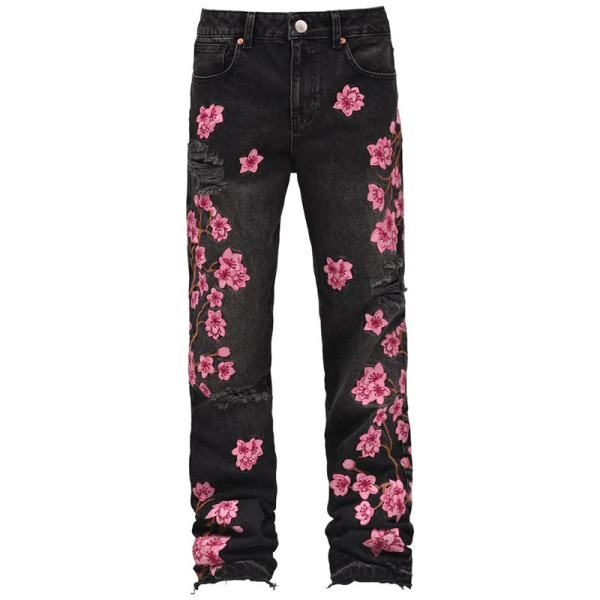
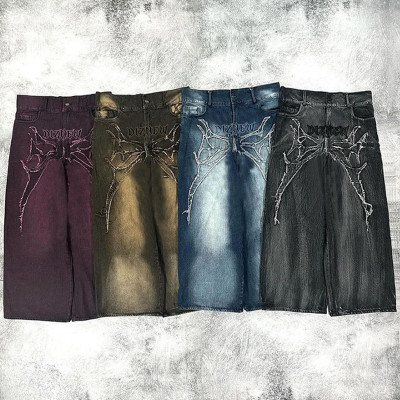
Classic art meets contemporary denim—Romantic oil painting print jeans for the bold and cultured wardrobe.
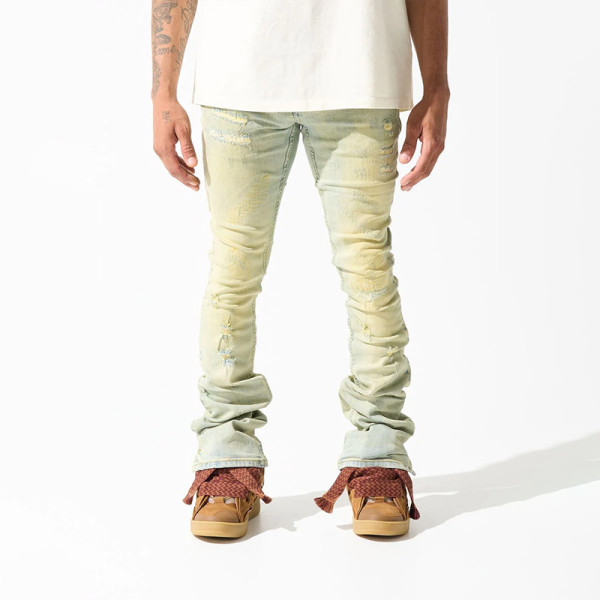
Skinny stacked jeans with distressed detailing and yellow-tinted bleach wash — bold choice for trendsetters.