why do blue jeans go with everything
Blue jeans are the one item people reach for when they have “nothing to wear,” and that says a lot. A white T-shirt feels complete with blue jeans. A blazer feels less stiff. A hoodie looks more styled. A leather jacket looks cooler. Even bold colors, prints, sneakers, boots, and heels somehow feel easier when blue denim is the base. The interesting part is that ordinary blue pants do not always have the same magic. Bright blue chinos or solid navy trousers can feel more specific, but blue jeans feel natural.
Blue jeans go with almost everything because denim blue acts like a casual neutral. Indigo dye, white weft yarns, fading, twill texture, seams, and wash variation soften the blue color, making jeans easier to pair than flat blue pants. Cultural familiarity also matters: people have styled blue jeans with workwear, casualwear, streetwear, and smart-casual outfits for generations.
That is why blue jeans are more than a color choice. They are a fabric, a culture, a fit, and a styling shortcut. For denim brands, this everyday versatility is a serious business advantage. The right blue jean is not just another product; it can become the pair customers wear again and again.
Why Do Blue Jeans Go With Everything?
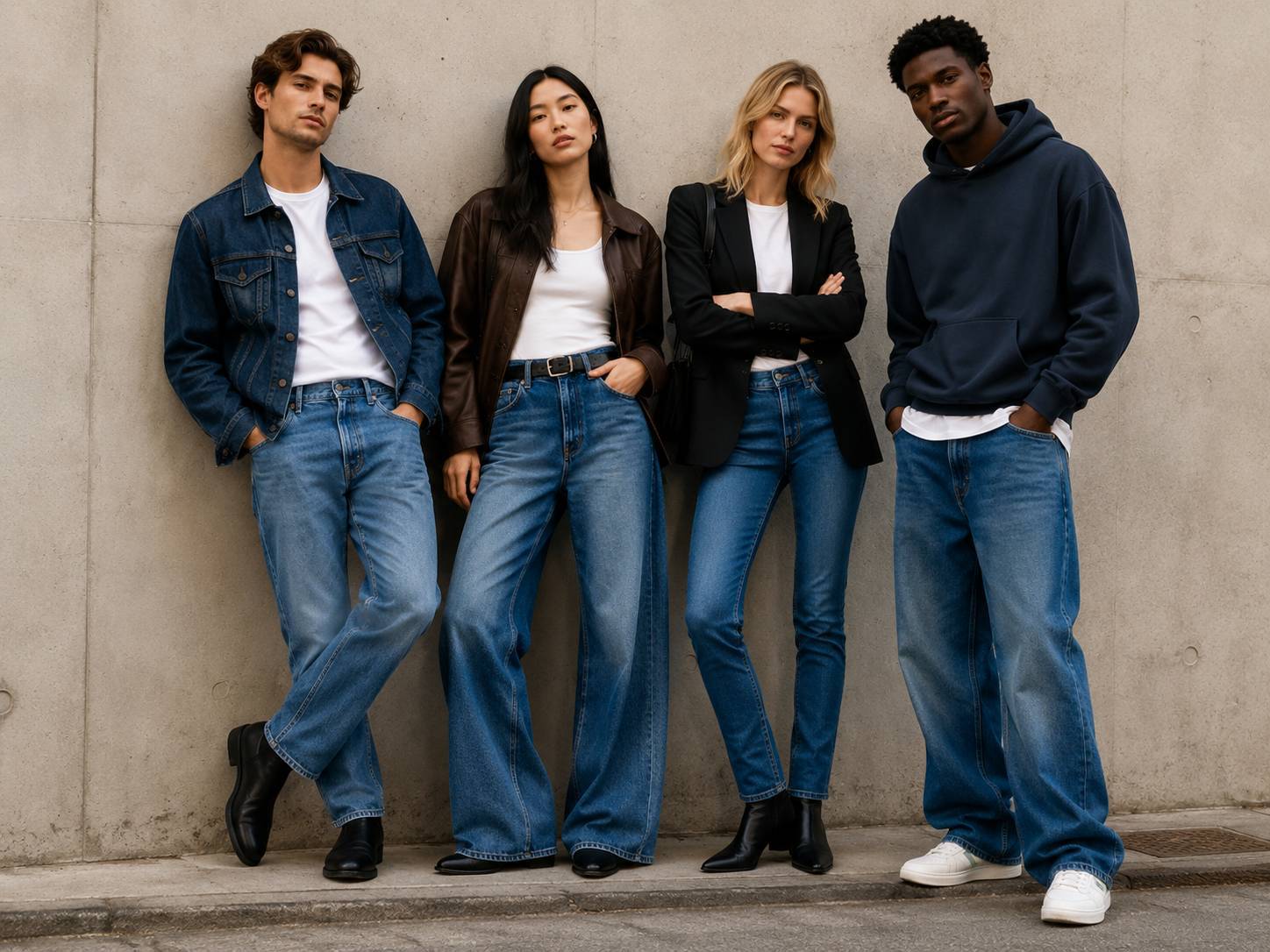
Blue jeans go with most everyday outfits because denim blue behaves like a casual neutral. The color is familiar, the texture is relaxed, and the wash variation softens outfit contrast. Blue jeans work with T-shirts, shirts, hoodies, blazers, jackets, boots, sneakers, and many colors because they feel both easy and culturally accepted.
Do blue jeans go with everything?
Blue jeans go with almost everything, but not every blue jean works for every outfit. Fit, wash, shoes, and occasion still matter. A clean dark straight jean works better with a blazer than heavily distressed baggy jeans. A light wash jean looks great with casual tees but may feel too relaxed for polished outfits.
The reason blue jeans feel so flexible is that they are familiar. Most people already understand how to style them, which reduces outfit hesitation.
Why does everything go with blue jeans?
Everything seems to go with blue jeans because denim combines color, texture, and habit. The blue is usually muted rather than loud. The fabric has visual depth. The fading creates softness. And culturally, people are used to seeing jeans with nearly every casual clothing category.
Google Arts & Culture explains that denim’s warp threads are dyed blue and appear most prominently on the fabric surface, while the fabric structure gives denim its distinctive blue-and-white depth.
Why do blue jeans match almost every outfit?
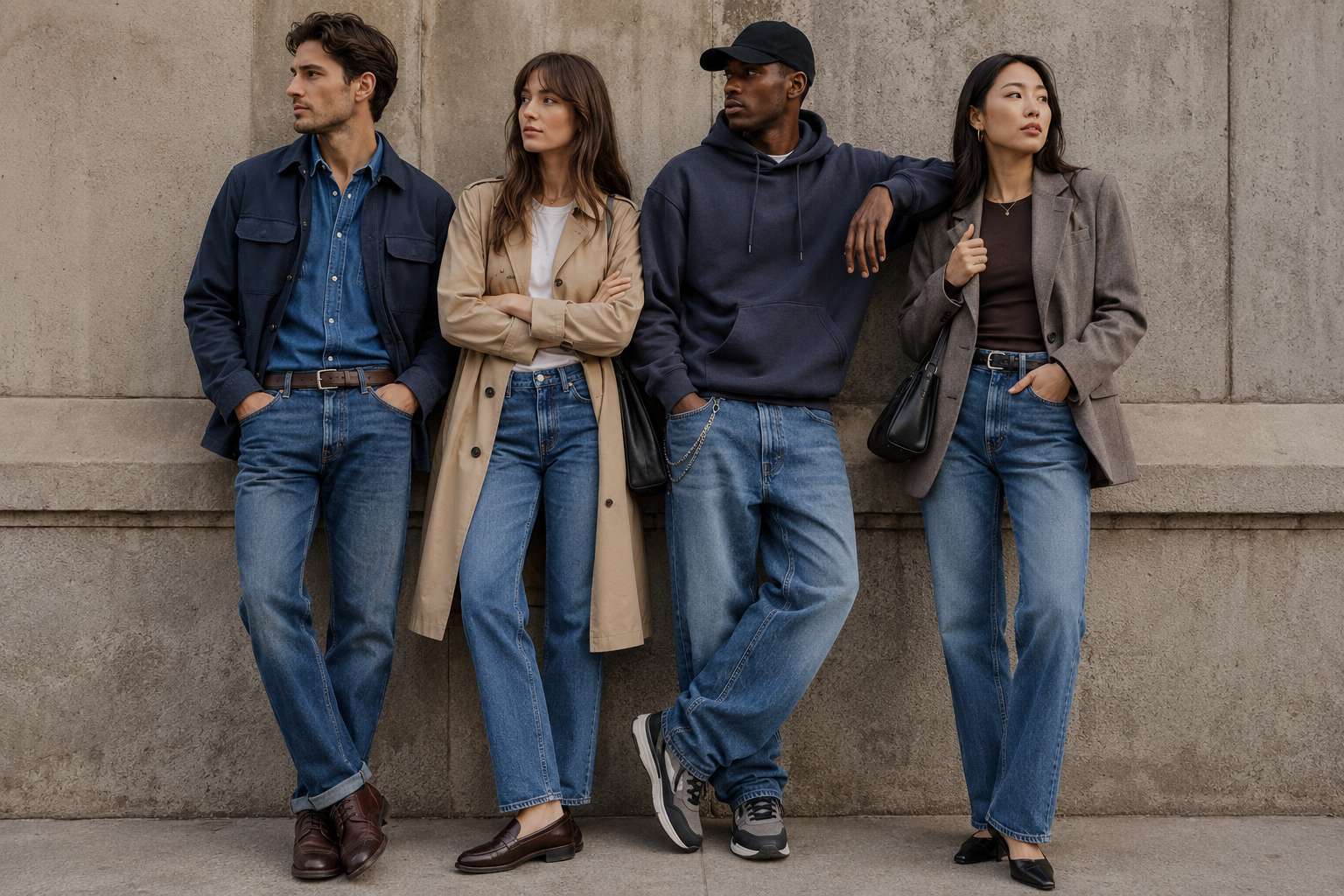
Blue jeans match many outfits because washed indigo pairs easily with white, black, gray, beige, brown, green, red, pink, pastels, and bold colors. Denim also works with different textures: cotton, leather, wool, canvas, knitwear, fleece, and suiting fabric.
That means blue jeans can soften formal pieces and upgrade casual pieces. They are not just matching the color; they are balancing the whole outfit.
Dive Deeper
The biggest reason blue jeans feel so easy is that they are visually forgiving. A solid blue trouser presents one flat color. Blue denim is different. It has twill texture, lighter weft yarns, seams, fading, whiskers, pocket wear, and wash variation. This breaks up the color and makes the blue feel less intense.
That is why blue jeans can work with a red sweater, white tee, black blazer, brown boots, green jacket, or gray hoodie. The denim does not fight for attention in the same way bright blue pants might. It grounds the outfit.
There is also a cultural reason. Blue jeans have moved through workwear, western wear, youth culture, music, streetwear, luxury fashion, and everyday wardrobes. History.com notes that blue jeans were once firmly working-class garments before becoming broader all-purpose clothing in American wardrobes.
For brands, this means blue jeans are a high-repeat-wear product. Customers do not buy versatile jeans for one outfit. They buy them because they can wear them many times, in many settings, with many tops and shoes. That is why wash, fit, and fabric decisions matter so much.
Why Do Blue Jeans Go With Everything but Not Blue Pants?
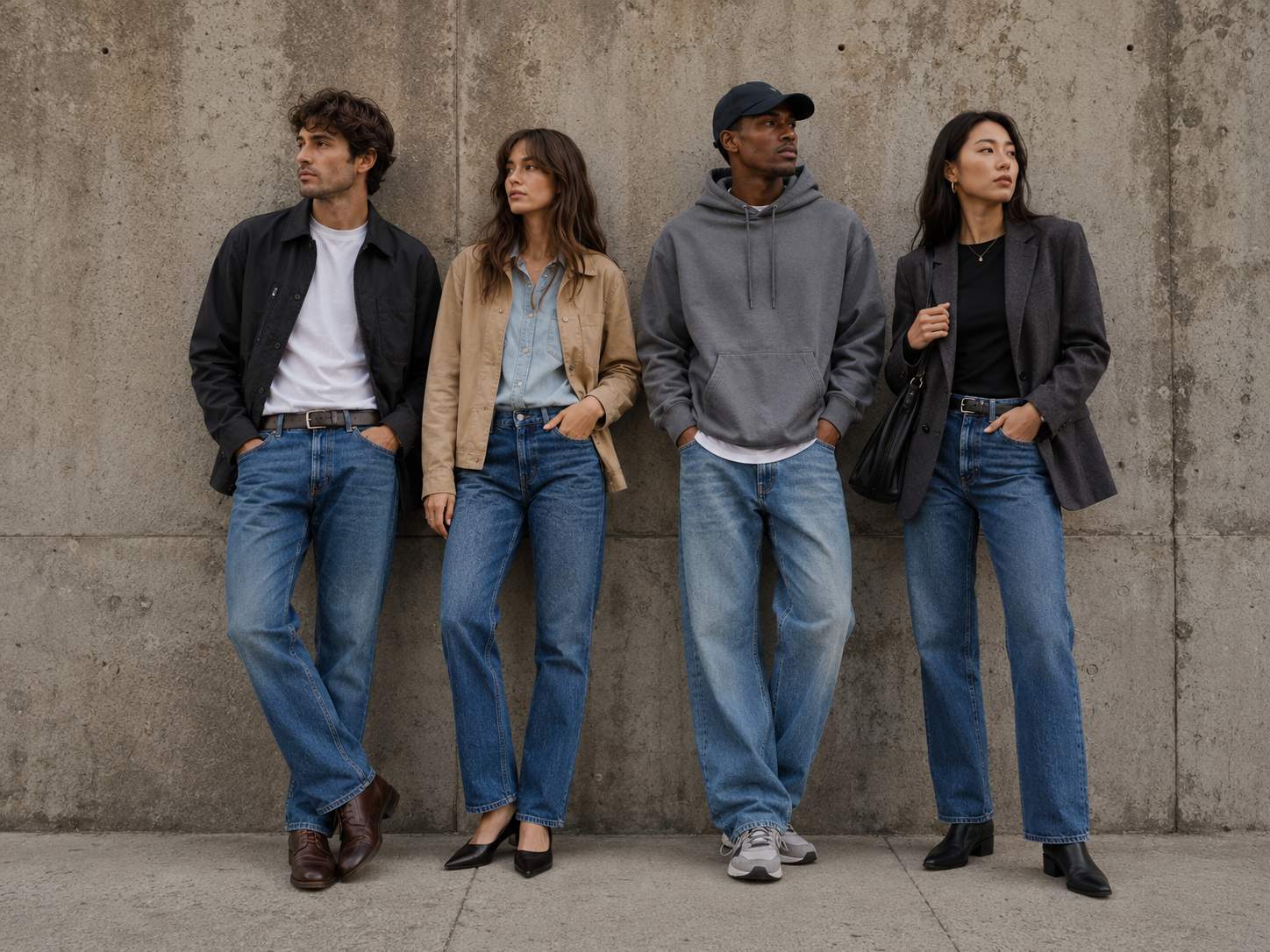
Blue jeans go with more outfits than ordinary blue pants because denim is textured, faded, and culturally casual. Solid blue pants can look like a strong color statement, while blue jeans feel neutralized by indigo fading, white yarn contrast, seams, and wash effects. Denim looks lived-in; flat blue fabric often looks more intentional and harder to style.
Why do blue jeans go with everything but not blue pants?
Blue jeans and blue pants are read differently by the eye. Blue pants are usually a flat block of color. Blue jeans are broken up by texture, fades, stitching, pockets, rivets, and seams. That makes jeans feel less like “blue clothing” and more like “denim.”
This is why medium-wash jeans are often easier to style than bright blue chinos or blue dress pants. Denim looks relaxed even when the color is blue.
Why are blue jeans easier to style than other colored pants?
Blue jeans are easier because they are less demanding. Red pants, yellow pants, purple pants, and bright blue pants become the focus of the outfit. Blue jeans usually support the outfit instead of dominating it.
Dark blue jeans can look polished. Light blue jeans feel casual and vintage. Medium-wash jeans sit in the middle, making them one of the easiest everyday options.
Why does denim texture make blue jeans look more natural?
Denim texture softens contrast. Twill lines, fading, whiskers, stone wash, enzyme wash, dirty wash, acid wash, and raw indigo all create different moods. A flat trouser fabric may look clean, but it can also feel more formal and less forgiving.
Denim’s uneven surface helps tops, shoes, jackets, and accessories blend more naturally.
Dive Deeper
The difference between blue jeans and blue pants is one of the most useful styling lessons in fashion. Color alone does not decide versatility. Fabric identity matters too.
Think about a pair of royal blue dress pants. They may be beautiful, but they are very specific. You notice the color immediately. Now think about medium-wash straight jeans. The color is blue, but the fabric tells a different story: casual, useful, familiar, relaxed, and wearable.
This is why customers trust jeans. They do not feel like they are “wearing blue pants.” They feel like they are wearing denim. Denim has its own language.
For denim brands, wash development is the key to this language. A dark rinse blue jean can be positioned as polished everyday denim. A medium wash can become the “goes-with-everything” staple. A light vintage wash can feel weekend-ready. A dirty wash or acid wash can target streetwear customers. A raw indigo or selvedge jean can target premium denim buyers.
The more extreme the wash, the more personality it has. The cleaner the wash, the more versatile it becomes. Neither is better; they serve different customers.
DiZNEW can help brands choose the right wash direction based on target market. A U.S. boutique selling everyday denim may want medium wash straight jeans. A Gen Z streetwear store may want dirty wash baggy jeans. A premium brand may want dark selvedge-style denim with clean stitching and custom hardware.
How Do Color, Wash, and Fabric Make Blue Jeans So Versatile?
Color, wash, and fabric make blue jeans versatile because each denim shade creates a different styling mood. Light wash feels casual and vintage, medium wash feels everyday and easy, and dark wash feels polished. Fabric weight, stretch, fading, and texture also affect whether jeans look relaxed, rugged, premium, or smart casual.
What colors go best with blue jeans?
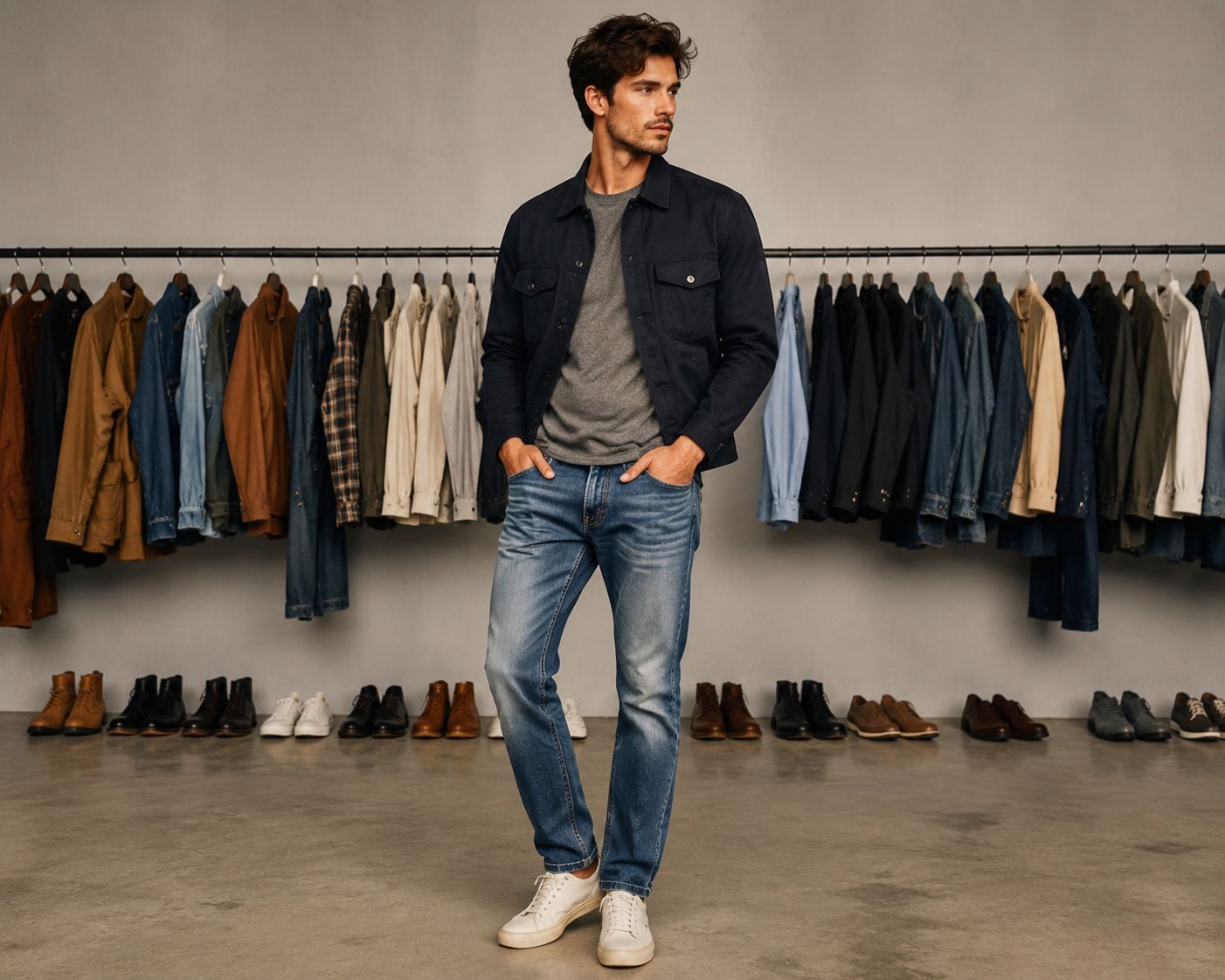
Blue jeans pair well with white, black, gray, beige, navy, brown, red, green, pink, yellow, and earth tones. White and blue jeans feel clean and classic. Black and blue jeans feel modern. Beige, camel, and brown create a soft vintage or workwear mood.
Bold colors also become easier when grounded by denim. That is why a bright top often feels more wearable with jeans than with formal trousers.
Do light wash or dark wash jeans go with more outfits?
Both are versatile, but they serve different needs. Light wash jeans feel casual, youthful, relaxed, and warm-weather friendly. Medium wash jeans are often the best everyday option because they balance casual and classic. Dark wash jeans look cleaner, dressier, and easier for smart-casual looks.
Vogue’s 2026 denim trend coverage highlights dark selvedge blue as polished while still connected to vintage workwear.
Can blue jeans work in every season?
Yes. Blue jeans work year-round because fabric weight, wash, and fit can change. Lightweight light-wash denim works well in spring and summer. Dark wash, heavyweight denim, raw denim, and selvedge jeans work better in fall and winter.
Denim jackets, denim shirts, denim shorts, and jeans also help brands build seasonal denim collections.
Dive Deeper
Versatility is not only about matching colors. It is also about matching lifestyle. A college student, boutique shopper, streetwear customer, office-casual buyer, and denim collector may all wear blue jeans, but they may want different versions.
The wash tells the customer where the jean belongs. A clean dark wash says polished. A medium wash says everyday. A faded light wash says relaxed. A dirty wash says streetwear. A raw indigo wash says premium and traditional.
Fit also changes versatility. Straight jeans are often the safest everyday fit because they work with many shoes and tops. Baggy jeans feel more current and expressive. Skinny jeans still work for customers who prefer fitted looks, boots, and stretch comfort. Wide-leg jeans look modern and strong when proportioned well.
The best brands do not ask, “Which blue jean is best?” They ask, “Which blue jean is best for our customer?” That is a very different question.
For boutiques, a smart blue denim collection might include a clean medium-wash straight jean, a dark polished jean, a baggy streetwear jean, and one statement wash. This gives customers everyday options and personality options.
DiZNEW can support this by customizing fabric weight, wash, rise, inseam, pocket placement, stretch recovery, hardware, labels, and packaging. When these details align, blue jeans become easier to wear and easier to sell.
Why Are Blue Jeans Casual, Stylish, and Trend-Proof?
Blue jeans are casual, stylish, and trend-proof because denim adapts without losing its identity. The fabric has workwear roots, cultural history, and modern fashion relevance. Skinny, straight, baggy, wide-leg, stacked, flare, bootcut, and selvedge jeans may rise or fall in trend cycles, but blue denim remains familiar, useful, and emotionally trusted.
How did blue jeans become a wardrobe staple?
Blue jeans became a wardrobe staple by moving from durable workwear into mainstream fashion. Their practical construction made them useful, while movies, music, youth culture, streetwear, and luxury fashion made them expressive.
That long journey gives jeans a rare mix of function and emotion. They feel ordinary enough for daily wear but iconic enough to carry style meaning.
Why can blue jeans look casual with a T-shirt but polished with a blazer?
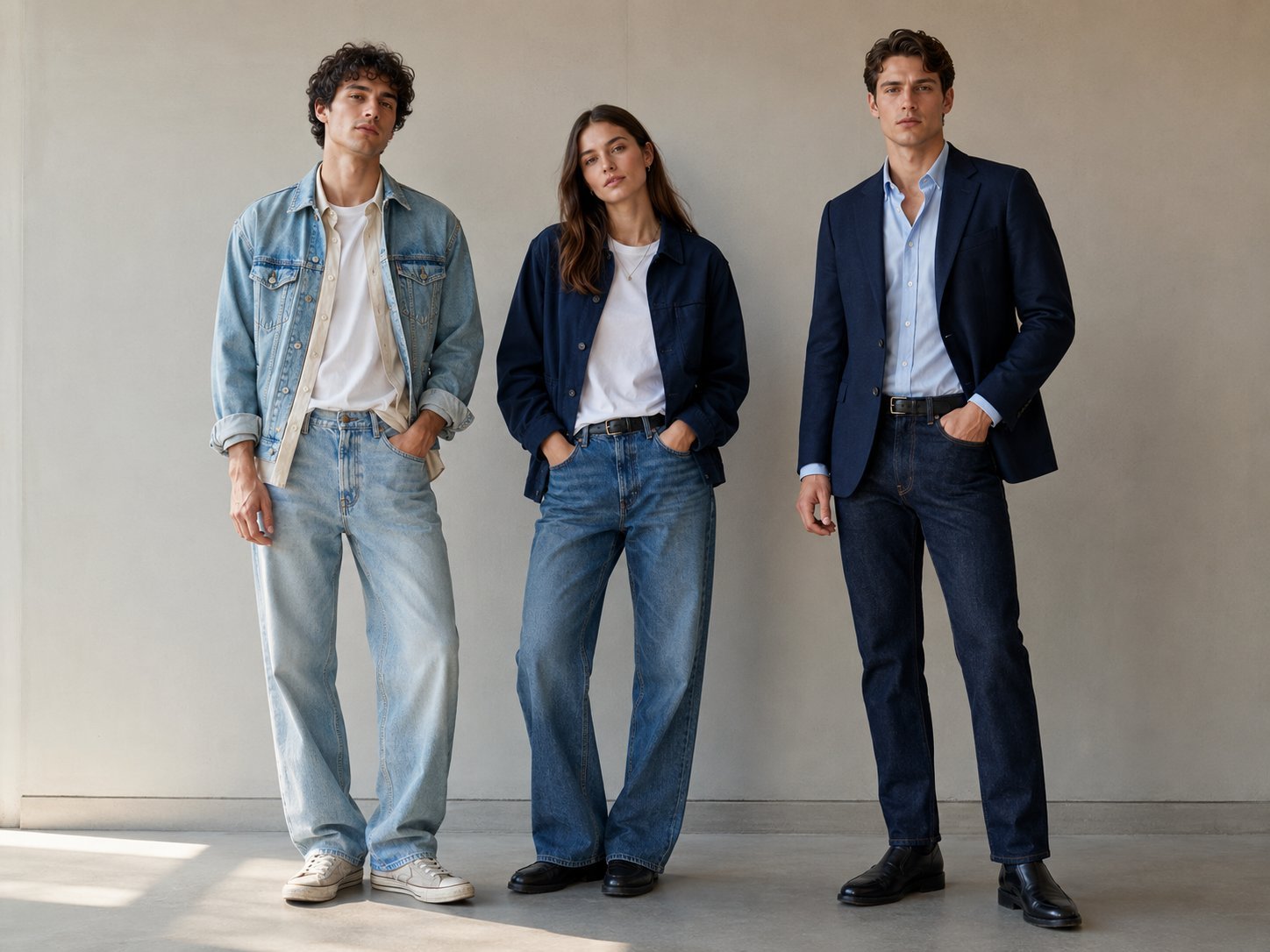
Blue jeans sit between utility and fashion. With a T-shirt and sneakers, they feel casual. With boots and a leather jacket, they feel rugged. With a blazer and loafers, they become smart casual.
The wash and fit decide the effect. Dark straight jeans look more polished. Distressed baggy jeans feel more relaxed. Clean medium-wash jeans sit comfortably between both.
Why does Gen Z wear baggy jeans?
Gen Z wears baggy jeans because they feel comfortable, relaxed, expressive, and connected to streetwear and Y2K styling. Baggy denim creates stronger silhouettes than skinny jeans and gives more room for movement, pockets, stacked hems, cargo details, embroidery, patches, and oversized styling.
British Vogue reported that roomier denim silhouettes have been dominating the denim landscape, with 2026 baggy styles often balancing wide and straight cuts.
Dive Deeper
Blue jeans survive trend cycles because denim can change shape while staying recognizable. That is rare. Many fashion items lose relevance when the trend changes. Denim simply changes cut, wash, and styling.
This is why skinny jeans can return in updated ways while baggy jeans remain strong. Vogue’s Spring 2026 denim coverage says denim trends range from skin-tight skinnies to very wide silhouettes, showing that multiple fits can exist at the same time.
For brands, this means there is no single “correct” jean. A Gen Z customer may want baggy jeans with puddled hems. A boutique customer may want straight jeans that go with everything. A premium buyer may want dark selvedge blue. A plus size customer may want comfort stretch and better waistband balance.
The mistake is chasing one trend without understanding the customer. The opportunity is building a denim collection with purpose.
Blue jeans are also trend-proof because they carry memory. People remember their favorite pair. They remember how it faded, softened, fit, and moved with them. This emotional value is why denim is not only a commodity; it can become a brand relationship.
DiZNEW helps brands turn trend insight into product decisions: baggy jeans for Gen Z, straight jeans for everyday boutiques, stacked jeans for streetwear, selvedge jeans for premium customers, and plus size jeans for inclusive markets.
How can DiZNEW help brands develop versatile custom blue jeans?
DiZNEW can develop blue jeans from sketches, reference photos, AI design images, physical samples, or tech packs. Custom options include fabric, wash, rise, inseam, pocket placement, back pocket shape, stretch level, stitching, buttons, rivets, leather patches, woven labels, hang tags, and packaging.
DiZNEW can produce plus size jeans, baggy jeans, stacked jeans, straight jeans, selvedge jeans, skinny jeans, jogger jeans, denim jackets, denim shorts, denim shirts, and private label denim collections.
Dive Deeper
For brands, “blue jeans go with everything” should not remain a vague slogan. It should become a product strategy.
A customer who wants goes-with-everything jeans usually wants reliability. The jeans should not be too extreme, too stiff, too tight, too loose, too short, too trendy, or too hard to style. They should feel easy in the closet and strong in daily wear.
That means product development matters. The wash should be easy to pair. The fit should suit the customer. The fabric should hold shape. The pockets should function. The waistband should feel secure. The stitching and hardware should support repeated use.
A boutique can also market this clearly. Instead of only saying “blue jeans,” product pages can say “easy everyday medium-wash jeans,” “goes-with-everything straight denim,” “dark blue jeans for smart-casual outfits,” or “baggy blue jeans for relaxed streetwear styling.”
DiZNEW is a China-based denim R&D, manufacturing, and sales factory with more than 20 years of experience. We support U.S. small and medium buyers, high-end brand clients, denim designers, online boutique owners, and influencer-led stores with OEM/ODM custom denim production.
With MOQ starting from 30 pieces per design and capacity for large orders up to 10,000 pieces, DiZNEW helps brands test small, improve products, and scale successful denim styles. If you want to create blue jeans that customers can wear again and again—with custom fabric, wash, fit, labels, trims, and packaging—contact DiZNEW today to request a quote and start your custom denim project.
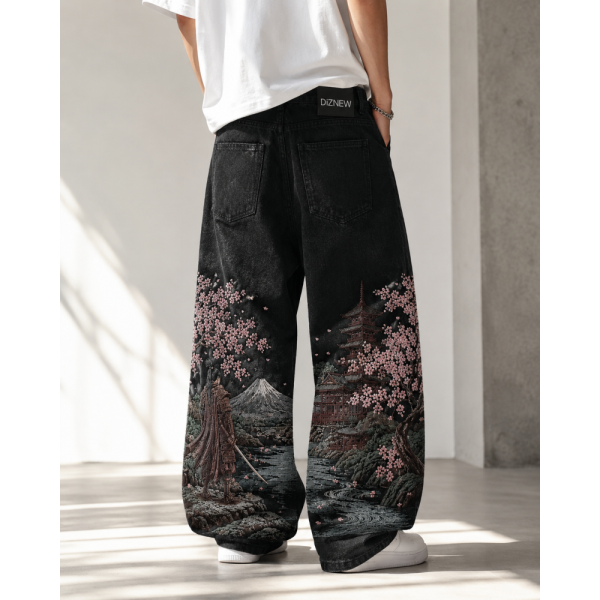
Premium wide-leg denim jeans featuring a vintage washed black finish, detailed Japanese landscape artwork, embroidery-style decoration, and custom brand label options. Designed for streetwear brands, designer labels, and private label collections looking for statement denim with strong visual storytelling.
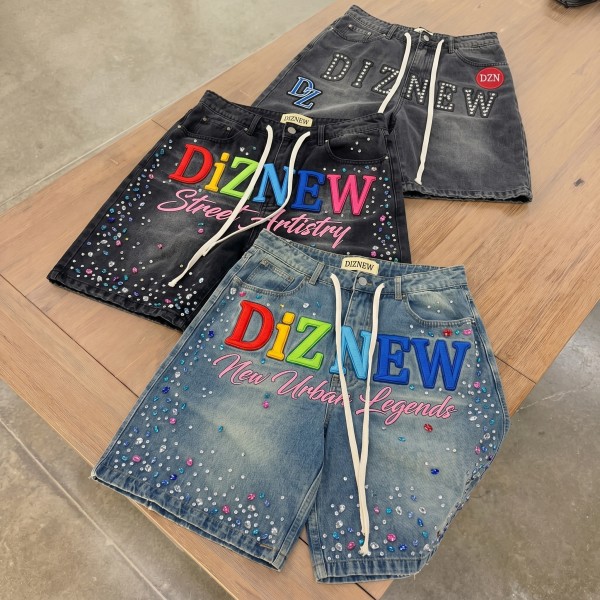
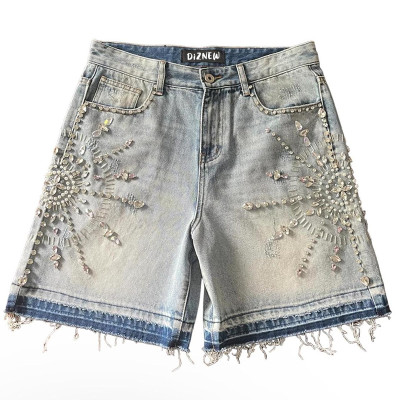
Custom Rhinestone Logo Denim Shorts: Wholesale supply direct. We manufacture premium embroidered baggy jean shorts for brands.
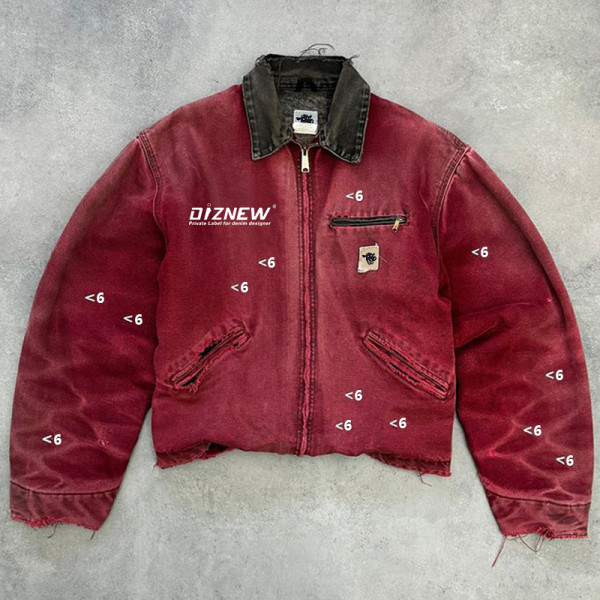
Discover this unique washed red canvas jacket featuring distressed details and vintage workwear aesthetics, perfect for bold fashion statements.
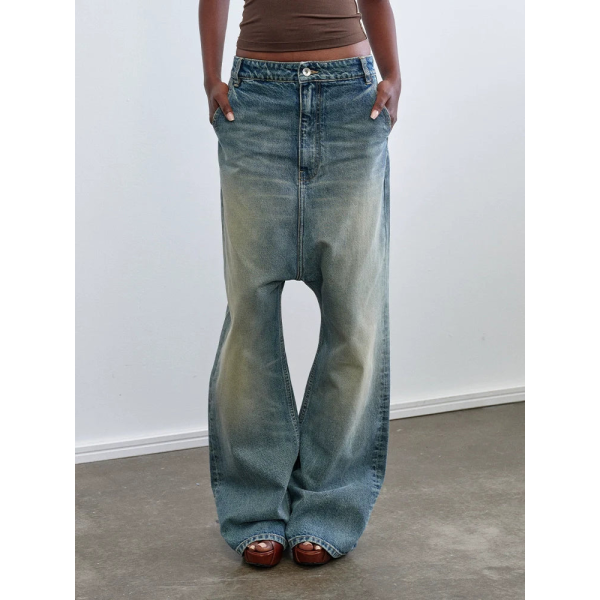
OEM & ODM Drop Crotch Jeans for Women - Tailored denim solutions designed for brands seeking unique styles and quality.