Why are jeans more popular than cargo pants?
Open any closet in America and you will probably find at least one pair of jeans hiding somewhere: folded on a shelf, hanging behind a blazer, or sitting in the laundry basket because someone wore them three days in a row. Cargo pants have pockets, attitude, and a strong streetwear personality, but jeans have something even harder to beat: they fit into almost every version of daily life. You can wear jeans to grab coffee, meet a client, go on a date, shoot content for your boutique brand, or style a premium look with a denim jacket and boots.
Jeans are more popular than cargo pants because they are more versatile, easier to style, available in more fits, and better suited for long-term wardrobe use. Cargo pants win in utility and pocket function, but jeans work across more body types, age groups, occasions, and fashion markets. That makes denim a stronger everyday product and a better investment for fashion brands.
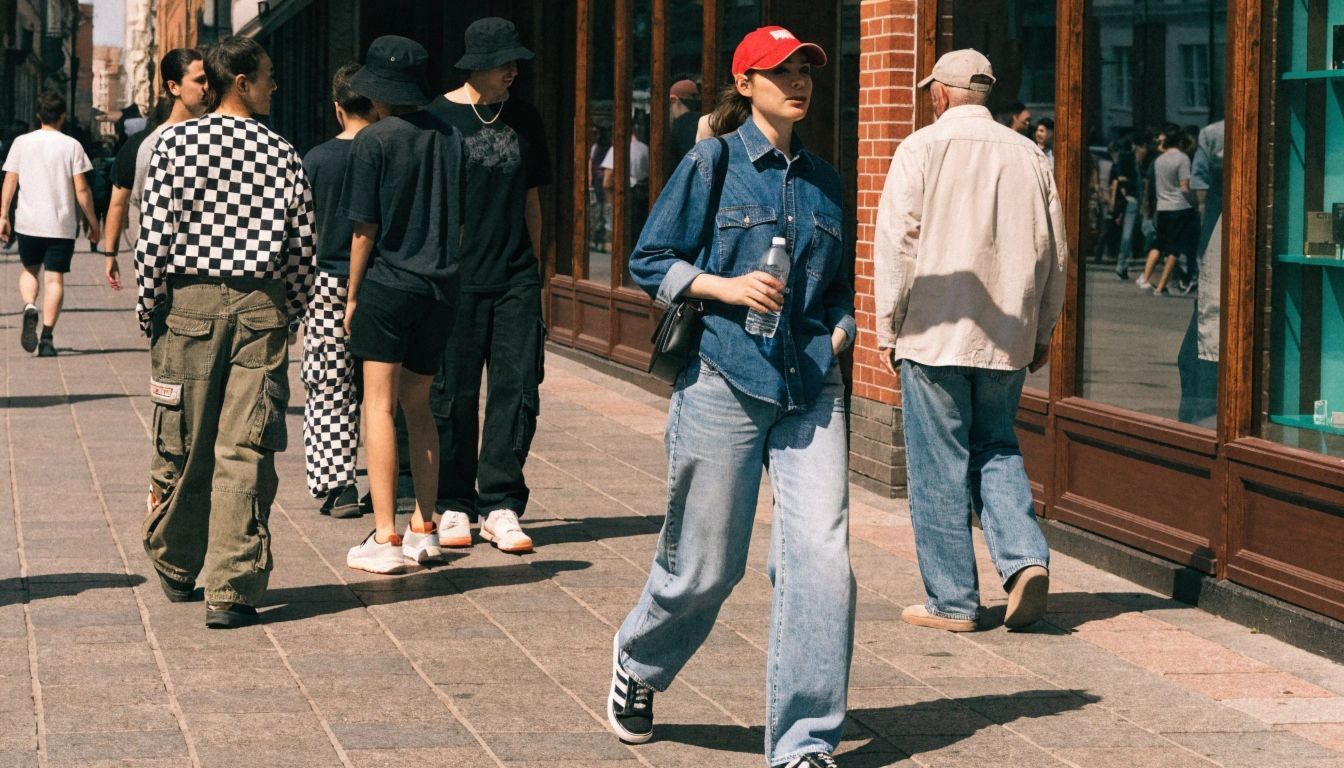
That is why the jeans-versus-cargo-pants debate is not really about which item is “cooler.” It is about which item solves more problems for more people. Cargo pants can be trendy. Jeans can be trendy too. But denim has one rare advantage: every generation finds a way to make it feel new again. The real story starts with why jeans never stay in the past.
Why Do Jeans Feel More Timeless Than Cargo Pants?
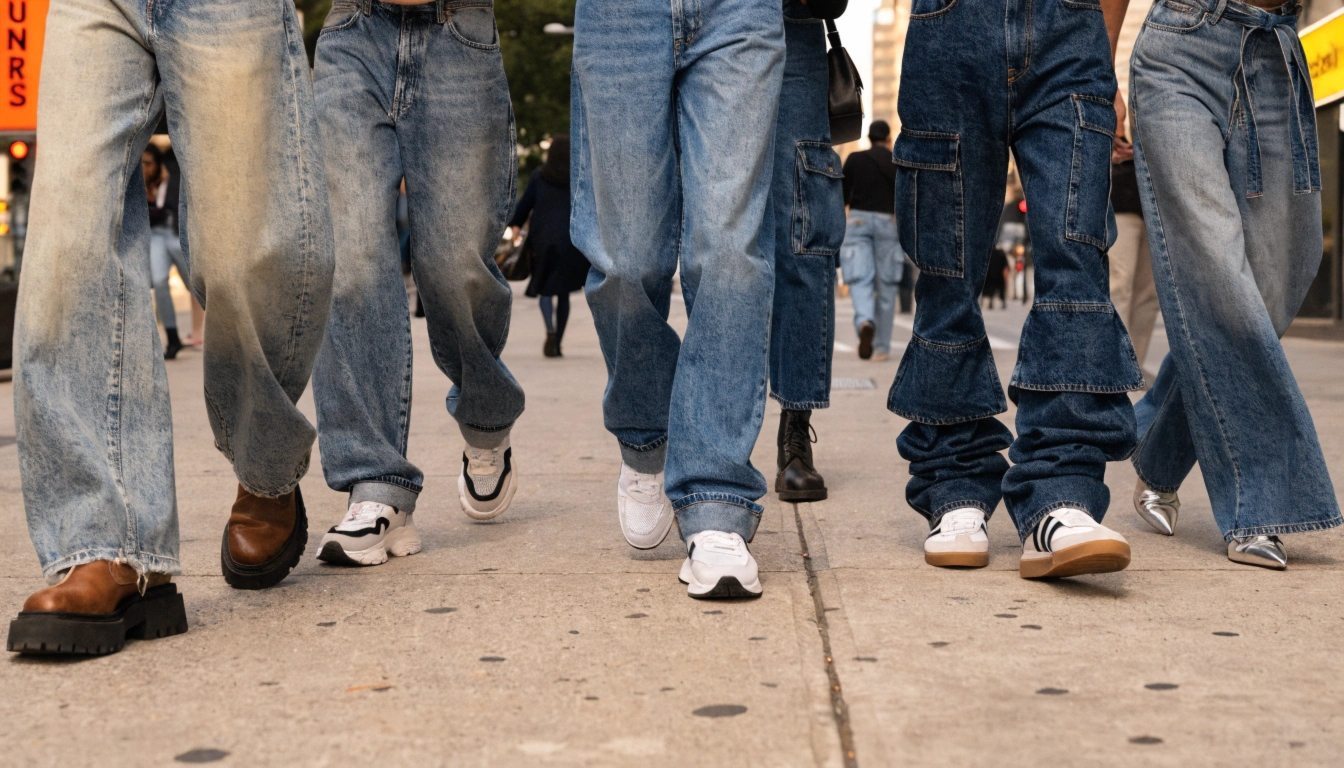
Jeans feel more timeless because they have moved through workwear, rebellion, music, streetwear, luxury fashion, and everyday casual dressing without losing relevance. Cargo pants are stylish and practical, but they are more strongly tied to utility trends. Jeans keep changing shape—skinny, straight, baggy, stacked, selvedge, wide-leg—while still remaining recognizable as jeans.
Why Have Jeans Stayed Popular Across Generations?
Jeans have a history that most pants simply cannot compete with. Levi Strauss & Co. traces the birth of blue jeans to 1873, when Levi Strauss and Jacob Davis received a U.S. patent for riveted work pants designed to be stronger for laborers. That origin matters because jeans were not created as a passing fashion item. They were created to solve a real problem: people needed durable pants that could survive hard use.
Over time, jeans became much more than workwear. They moved from mines and ranches into Hollywood, rock music, hip-hop, skate culture, high fashion, and finally into the everyday wardrobe. That long cultural journey gives jeans emotional weight. When someone wears jeans, they are not just wearing “pants.” They are wearing a product category connected to independence, comfort, rebellion, youth culture, and personal identity.
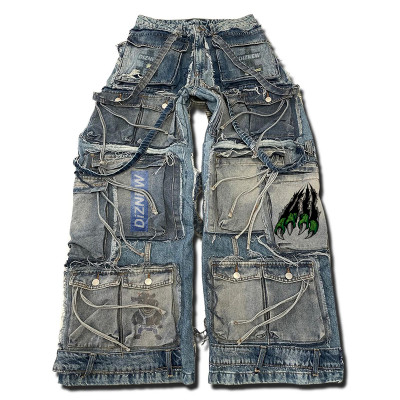
Cargo pants also have a strong history, especially in military and utility clothing. Their large pockets and relaxed shape make them useful, functional, and visually distinctive. But their identity is narrower. Most cargo pants still communicate utility, tactical style, outdoorwear, or streetwear. That can be a strength, but it can also limit them. Jeans, on the other hand, can look rugged, elegant, vintage, sexy, minimal, oversized, polished, distressed, luxury, or casual depending on the fabric, wash, cut, and styling.
That flexibility explains why denim keeps coming back in different forms. Vogue’s 2026 denim trend report notes that denim trends range from skin-tight skinnies to classic straight cuts and extremely wide-leg silhouettes, showing how broad the jeans category has become. A cargo pant may change pocket placement or fabric, but a jean can completely shift its personality through wash, rise, leg shape, stretch, distressing, stitching, and finishing.
For brands, this is important. A boutique store can launch baggy jeans for Gen Z streetwear customers, straight jeans for everyday buyers, plus size jeans for comfort-focused shoppers, selvedge jeans for premium denim lovers, or stacked jeans for an urban fashion audience. All of those are still jeans, but each speaks to a different customer.
Why Are Cargo Pants More Trend-Driven Than Jeans?
Cargo pants often rise when fashion is interested in utility. When consumers want functional pockets, relaxed silhouettes, military references, gorpcore, techwear, or Y2K styling, cargos suddenly feel fresh. That is exactly why cargo pants are still visible in 2026. Vogue included “The Cargo Pant” among key spring 2026 fashion trends, and Vogue Business also mentioned cargo pants in its spring/summer 2026 menswear trend predictions.
So, no—cargo pants are not dead. They are not “out of style.” But their popularity is usually attached to a specific fashion mood. When utility is cool, cargos rise. When minimalist tailoring or quiet luxury dominates, cargos may feel less universal. Jeans do not depend on one fashion mood in the same way. They can be minimalist, rugged, preppy, sexy, oversized, premium, or vintage.
This is why jeans are safer for long-term product planning. If you are a designer, boutique owner, or private-label brand, a denim collection can evolve every season without abandoning the core product. You can adjust the wash, fit, fabric weight, distressing, inseam, pocket shape, and hardware. With cargo pants, the main visual identity often remains centered around pockets and utility details.
Are Cargo Pants Out of Style in 2026?
Cargo pants are not out of style in 2026. In fact, they are still relevant in streetwear, utility fashion, outdoor-inspired dressing, and relaxed casual wardrobes. The better question is not “Are cargos out?” but “Are cargos as universally wearable as jeans?” That answer is usually no.
A cargo pant is great when the customer wants a functional or statement look. A pair of jeans is better when the customer wants one product that can work across more outfits and more social situations. That is the difference between a trend item and a wardrobe anchor.
Why Are Jeans Easier to Style for More Occasions?
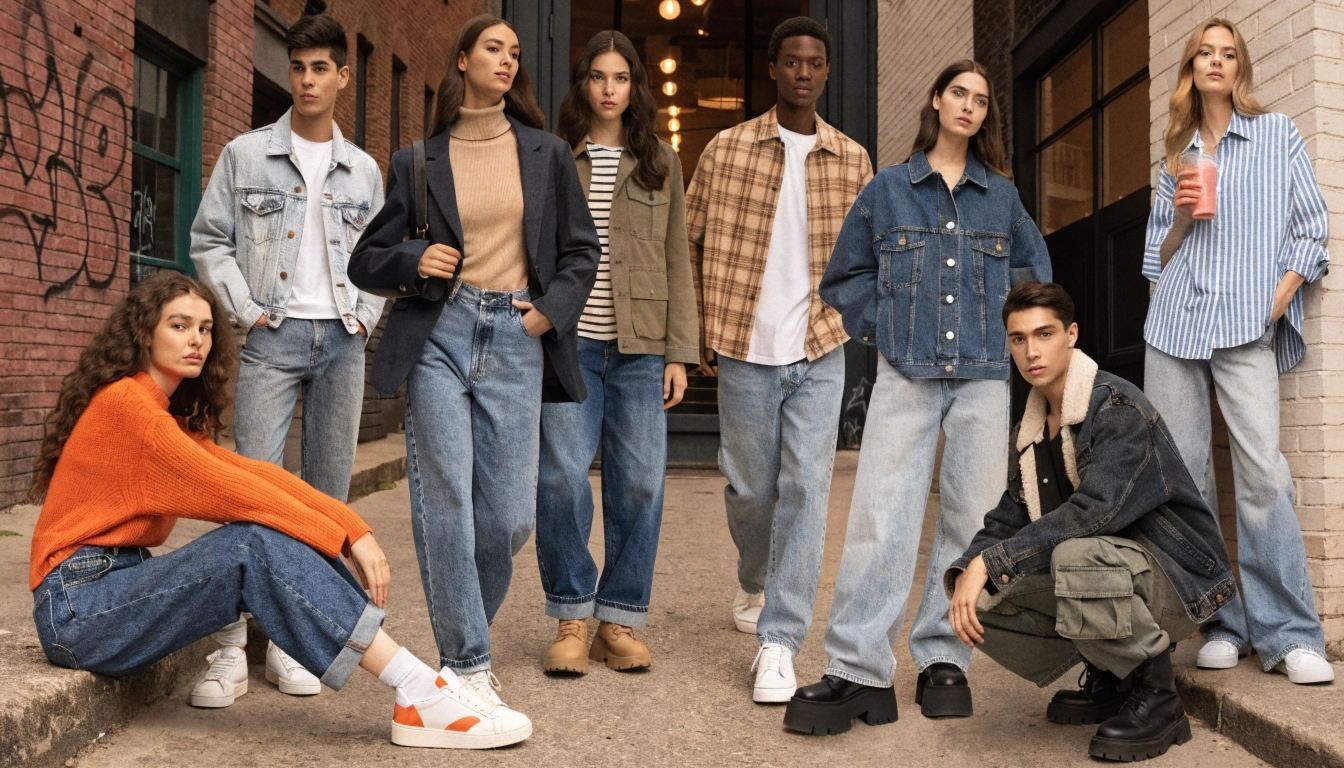
Jeans are easier to style because they balance casual comfort with visual neutrality. A good pair of jeans can be worn with T-shirts, hoodies, shirts, blazers, denim jackets, boots, sneakers, heels, and loafers. Cargo pants are stylish, but their pocket-heavy design makes them more casual, more specific, and harder to dress up.
Why Can Jeans Work for Casual, Streetwear, Smart-Casual, and Premium Looks?
The biggest styling advantage of jeans is that they do not force the outfit in only one direction. A straight-leg dark-wash jean with a white shirt can look clean and smart. A baggy light-wash jean with an oversized hoodie can look relaxed and streetwear-driven. A skinny black jean with boots can look sharp and music-inspired. A selvedge jean with a heavyweight T-shirt and leather belt can look premium and masculine. A stacked jean with sneakers can speak directly to urban fashion customers.
This range is exactly why jeans are so useful for brands. One product category can serve many customer lifestyles. For online boutique owners, that means jeans are easier to merchandise. You can style the same jeans in multiple product photos: one look for casual weekend wear, one for streetwear, one for date night, one for travel, one for a polished everyday outfit. Cargo pants can also be styled in different ways, but the pockets always pull the look toward utility.
Jeans also have strong cross-season value. Light-wash jeans work well for spring and summer. Black jeans and dark indigo denim work for fall and winter. White jeans can become a summer statement. Distressed denim works for festival and streetwear edits. Raw or selvedge denim works for premium customers. The product category is deep enough to support an entire collection, not just one SKU.
Fashion media continues to reinforce this variety. In 2026, denim coverage includes slim cigarette jeans, straight-leg jeans, wide-leg jeans, barrel jeans, black jeans, white jeans, and relaxed silhouettes. That kind of media attention tells brands something useful: consumers are not searching for only one “correct” jean anymore. They are searching for the jean that fits their body, their aesthetic, and their lifestyle.
Why Are Cargo Pants Better Than Jeans in Some Situations?
A fair comparison should admit where cargo pants win. Cargo pants are better than jeans when the customer wants function first. The extra pockets are useful for travel, outdoor activities, festivals, creative work, or streetwear looks where utility details are part of the style. They are often comfortable because they are cut looser around the thigh and knee. They also communicate a stronger fashion statement when styled with fitted tops, cropped jackets, techwear layers, or sneakers.
For certain customers, that is exactly the point. A cargo pant says, “I want movement, storage, and a practical edge.” A jean says, “I want something that works almost anywhere.” Neither message is wrong. They simply serve different needs.
The problem for cargo pants is that the same features that make them distinctive can make them harder to wear. Large side pockets add bulk around the thighs. Flap pockets can interrupt the leg line. Heavy utility details can make the outfit feel too casual for dinners, creative offices, or premium boutique styling. Some customers love that look. Others feel swallowed by it.
Why Do Jeans Look More Polished Than Cargo Pants in Everyday Outfits?
Jeans usually look more polished because their design is cleaner. Five-pocket jeans have structure, but they do not usually add large volume to the side of the leg. That makes jeans easier to pair with elevated pieces such as blazers, button-down shirts, leather jackets, knitwear, heeled boots, loafers, and minimalist sneakers.
Here is a simple comparison:
| Styling Scenario | Jeans | Cargo Pants |
| Coffee run | Easy and natural | Easy and casual |
Boutique product shoot | Very versatile | Strong streetwear angle |
Casual office | Dark straight jeans can work | Slim cargos may work, but less universal |
Date night | Black, straight, skinny, or flare jeans work well | Can work, but needs careful styling |
Travel | Comfortable if fabric has stretch | Excellent for pocket function |
Premium brand look | Selvedge, raw, coated, or dark denim works well | Needs elevated fabric and clean pocket design |
Gen Z streetwear | Baggy, stacked, wide-leg jeans work well | Baggy cargos also work well |
For a brand owner, the key insight is this: cargo pants are a strong style item, but jeans are a stronger “repeat purchase” item. A customer may buy one cargo pant for a look. But if they find jeans that fit well, they may buy the same fit in black, light blue, dark blue, grey, distressed, coated, or washed versions.
Why Do Jeans Offer More Fit Options for Different Body Types?
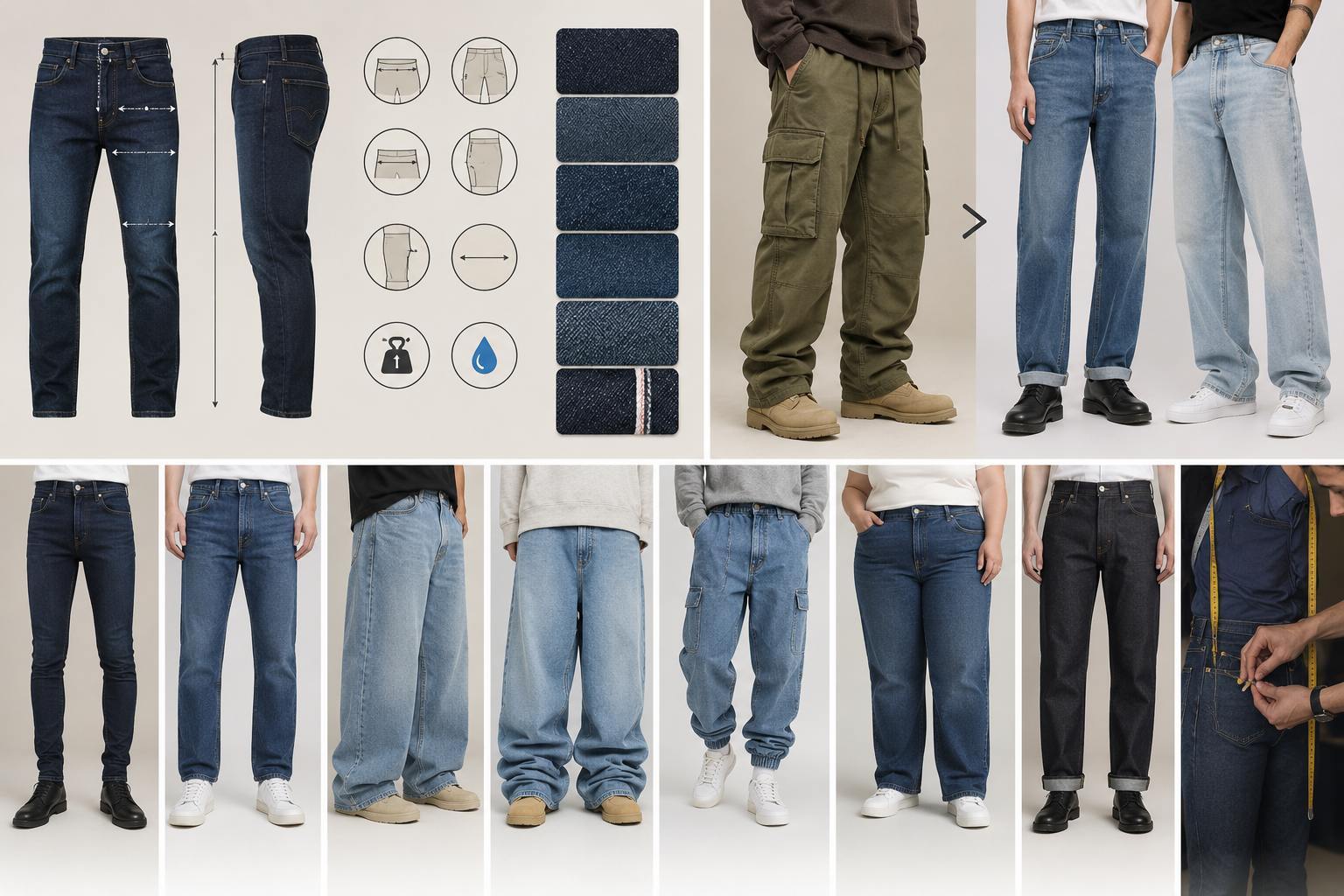
Jeans offer more fit options because denim design can be adjusted through waist, rise, hip, thigh, knee, inseam, leg opening, stretch, fabric weight, and wash. Cargo pants are usually built around relaxed utility shapes, while jeans can be skinny, straight, baggy, stacked, jogger-style, plus size, selvedge, or custom-fit.
Why Are Jeans Available in More Fits Than Cargo Pants?
Fit is one of the biggest reasons jeans remain more popular than cargo pants. A customer may forgive a T-shirt that is slightly oversized. They may forgive a jacket that feels a little roomy. But pants are personal. If the waist gaps, the thigh pulls, the rise feels wrong, or the inseam stacks badly, the customer notices immediately.
Cotton Incorporated’s 2024 Global Denim Survey found that fit, comfort, and quality are major denim purchase drivers. The same survey reported that 48% of consumers were wearing jeans more often, while only 10% were wearing jeans less often. It also found that consumers wear jeans more because they are comfortable, look good with everything, and can be worn for more occasions.
That data matches what denim manufacturers see in real production. Jeans are not one fit. They are a fit system. A brand can develop:
| Jeans Fit Type | Main Customer Need | Product Positioning |
| Skinny jeans | Slim, sharp, body-hugging look | Night-out, music, polished casual |
| Straight jeans | Classic, easy daily fit | Core wardrobe, unisex appeal |
| Baggy jeans | Comfort, Gen Z, streetwear | Trend-driven but highly wearable |
Stacked jeans | Sneaker styling, urban fashion | Streetwear and influencer brands |
Plus size jeans | Better body inclusion | Comfort, confidence, broader sizing |
Selvedge jeans | Premium denim quality | High-end brands and denim lovers |
Jogger jeans | Comfort and movement | Athleisure-inspired denim |
Denim shorts | Summer and festival wear | Seasonal denim collection |
Denim jackets/shirts | Layering and full denim looks | Complete brand collection |
Cargo pants can also be slim, wide, tapered, jogger-style, or oversized. But the range is not as emotionally or commercially rich as denim. With jeans, small measurement changes create major customer value. A 1 cm change in rise, a softer waistband, a curved yoke, a wider thigh, or a better stretch recovery can turn an uncomfortable product into a best seller.
What Is the 2 Finger Test for Jeans?
The two-finger test is a simple waistband check. After buttoning the jeans, the wearer should be able to slide one or two fingers between the waistband and the body without strong pressure or a loose gap. If two fingers cannot fit, the jeans may be too tight. If much more space fits, the waist may be too loose. Fit guides often use this type of rule to explain waistband comfort.
But here is the professional truth: the two-finger test is useful, not perfect. It checks the waist, but it does not check the full fit. A jean can pass the two-finger test and still feel wrong in the rise, hip, thigh, knee, or seat. That is why custom jeans development matters so much.
For example, plus size jeans often need more than a larger waist. They may need a better hip curve, stronger stretch recovery, a higher back rise, smoother pocket placement, and a waistband that does not roll. Baggy jeans need controlled volume so they look intentional instead of sloppy. Stacked jeans need the correct inseam and leg opening so the fabric gathers properly over sneakers. Skinny jeans need stretch and recovery, otherwise they become uncomfortable after sitting or walking.
This is where a professional denim factory brings real value. Good custom jeans are not created by simply copying a photo. They require pattern engineering, fabric testing, wash testing, shrinkage control, sample fitting, and detail adjustment. That is especially important for brands selling online, because online customers cannot try before buying. A better fit means fewer returns, better reviews, and stronger repeat purchases.
Why Do Fabric Types Make Jeans More Adaptable?
Denim fabric is one of the most flexible parts of jeans development. Rigid denim gives structure and authentic vintage character. Stretch denim improves comfort and movement. Cotton-rich denim feels breathable and familiar. Selvedge denim creates a premium story for high-end customers. Washed denim can feel soft from the first wear. Heavyweight denim feels durable and masculine. Lightweight denim works better for warmer markets.
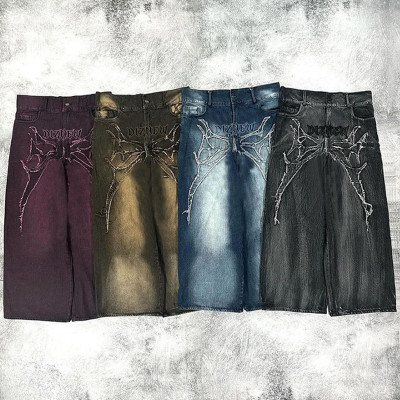
Cargo pants can use cotton twill, ripstop, nylon blends, canvas, or technical fabrics. Those materials are useful, but they do not offer the same wash language as denim. Denim can be stone washed, enzyme washed, acid washed, snow washed, whiskered, sanded, laser-finished, tinted, overdyed, coated, distressed, patched, embroidered, or faded. Every finish changes the emotion of the product.
That is why jeans are not just pants. They are a platform for fit, fabric, wash, and identity.
Why Are Jeans Better for Brand Customization and OEM/ODM Fashion Lines?
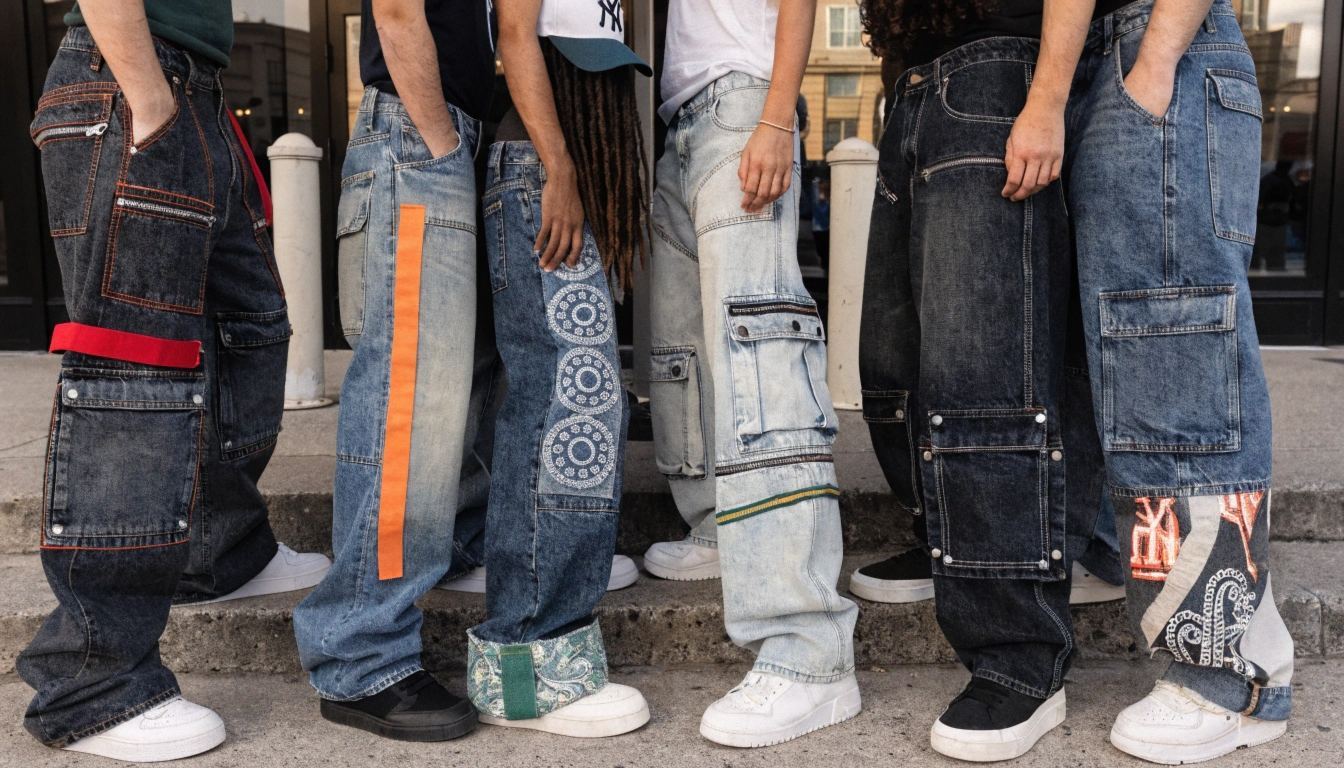
Jeans are better for OEM/ODM and private-label fashion lines because they offer more customization points: fabric, wash, fit, pocket shape, stitching, rivets, buttons, labels, distressing, embroidery, patches, and logo trims. A cargo pant can be customized, but denim gives brands more ways to create a recognizable product identity.
Why Do Jeans Offer More Design Possibilities Than Cargo Pants?
For fashion brands, especially online boutiques and designer-led labels, product differentiation is everything. If a customer can find the same item from ten other stores, price becomes the only weapon. Jeans help brands avoid that trap because denim has many layers of customization.
A custom jean can be changed through fit, fabric, color, wash, pocket design, rivets, button style, zipper quality, waistband label, leather patch, embroidery, back-pocket stitching, side seam detail, hem finish, distressing, whisker placement, hand sanding, logo hardware, and packaging. Even the same straight-leg jean can become five different products depending on wash and trim choices.
This is one reason denim remains commercially powerful. Market reports continue to show denim jeans as a large global category; one 2026–2035 forecast estimated the global denim jeans market at USD 48 billion in 2025 and projected it to reach USD 58.48 billion by 2035. The exact numbers vary by research firm, but the direction is clear: jeans remain a major apparel category, not a niche trend.
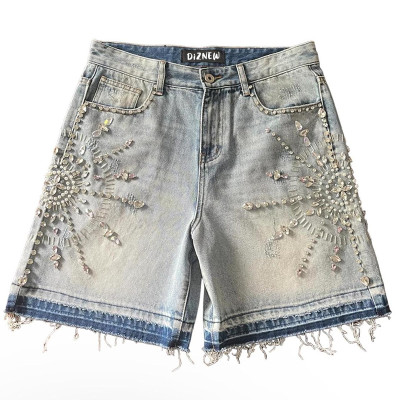
Cargo pants can also be customized with pocket shape, drawcords, zippers, fabric, and hardware. But because the cargo identity is so tied to pockets, brands often compete within a narrower visual language. Denim has a wider emotional range. A washed blue jean can feel nostalgic. A black stacked jean can feel street. A raw selvedge jean can feel premium. A rhinestone or embroidered jean can feel boutique and feminine. A plus size stretch jean can feel confidence-building and practical.
Why Are Jeans Ideal for Designers, Online Boutiques, and Influencer Brands?
Many modern denim buyers are not giant department stores. They are online boutique owners, fashion designers, influencer-led brands, streetwear startups, and premium private-label brands. These buyers often do not want generic jeans. They want a product that reflects their customer community.
A designer may come with a sketch and need help turning it into a real sample. A boutique owner may have a best-selling reference jean but want a better wash, better logo, and better fit. An influencer brand may need stacked jeans with a dramatic inseam and a unique pocket embroidery. A high-end label may need selvedge denim with a clean straight fit, custom hardware, and premium packaging.
This is where OEM and ODM denim manufacturing becomes important. OEM usually means the buyer already has a design, tech pack, or clear product direction, and the factory produces it according to the brand’s requirements. ODM means the factory can also support design development, fabric selection, pattern suggestions, wash ideas, and sample creation. For jeans, ODM can be especially valuable because many brands know the look they want, but they need technical help to make it fit, wash, and produce correctly.
Why Can Custom Jeans Support Both Small Orders and Large-Scale Production?
A strong denim factory should support both testing and scaling. Small brands often need low MOQ to test the market. Larger buyers need stable production capacity, consistent quality, and reliable delivery. DiZNEW is positioned well for this type of customer because it has more than 20 years of experience in jeans research, development, manufacturing, and sales, supports custom denim products across many fabric types and styles, and can handle both small-batch orders starting from 30 pieces and larger orders up to 10,000 pieces.
That matters because denim success often starts with testing. A boutique may begin with 30 pieces of baggy jeans, stacked jeans, or plus size jeans. If the product sells well, the next order may become 300 pieces, then 1,000 pieces, then a full seasonal denim collection. The factory relationship becomes part of the brand’s growth system.
For buyers serving American small and medium-sized businesses, high-end brands, online boutiques, and influencer stores, the goal is not simply “make jeans.” The goal is to create jeans that customers want to keep, photograph, review, and reorder.
Why Do Consumers Keep Choosing Jeans Even When Cargo Pants Are Trending?
Consumers keep choosing jeans because jeans feel familiar, flexible, and personal. Cargo pants can be exciting when utility fashion is trending, but jeans are easier to repeat, restyle, and repurchase. A great pair of jeans becomes part of someone’s lifestyle, while cargo pants often serve a more specific look or function.
Why Does Gen Z Wear Baggy Jeans?
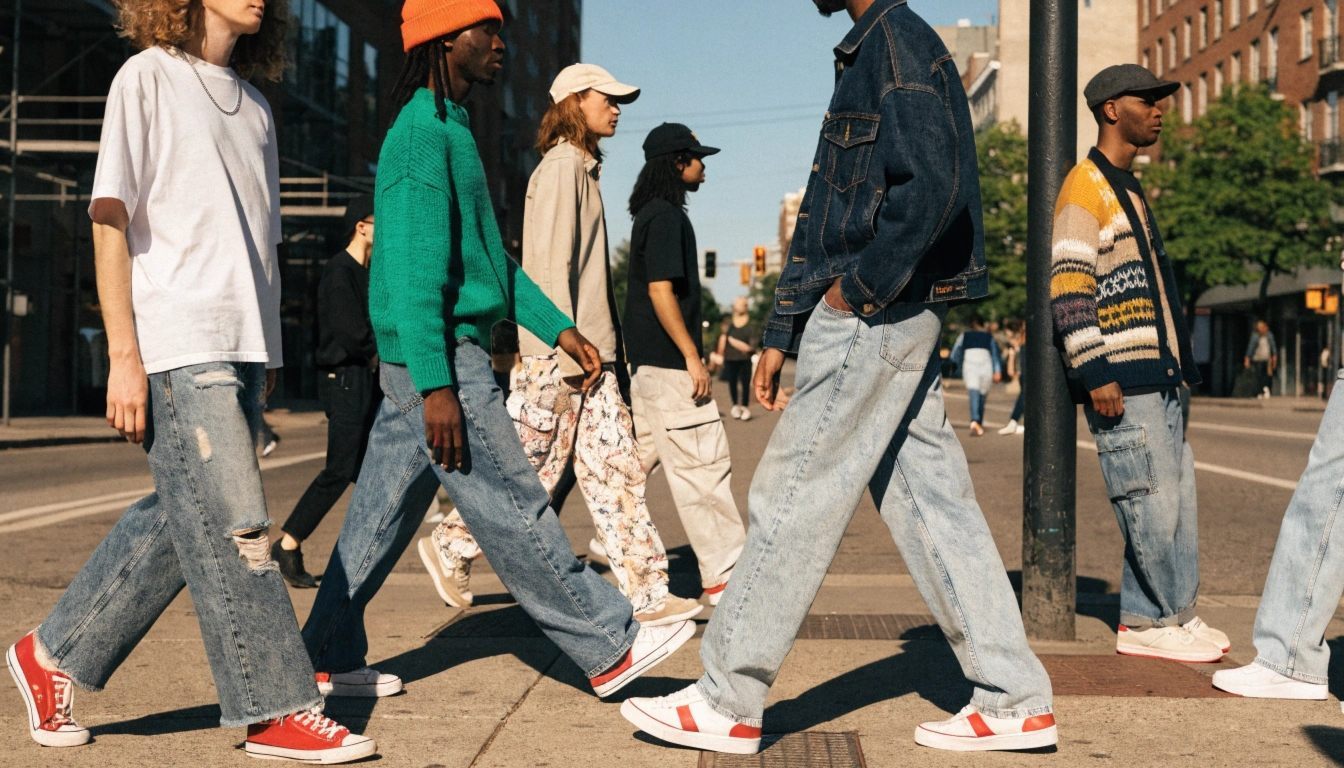
Gen Z wears baggy jeans because they combine comfort, self-expression, nostalgia, and streetwear energy. After years of tight silhouettes dominating mainstream fashion, loose denim feels freer. It gives the body room to move. It looks relaxed in photos. It works with sneakers, cropped tops, oversized hoodies, baby tees, varsity jackets, denim jackets, and graphic shirts.
But baggy jeans are not just “big pants.” The best baggy jeans are carefully engineered. The waist still needs to fit. The rise needs to match the customer. The leg must have volume without collapsing. The fabric weight needs to hold the shape. The wash needs to feel current. If the pattern is wrong, baggy jeans look messy. If the pattern is right, they look effortless.
This is why Gen Z’s love of baggy jeans is useful for denim brands. It creates demand for new silhouettes, but it still lives inside the denim category. Vogue’s 2026 denim coverage shows that the market is not choosing only one fit; skinny, straight, and wide-leg silhouettes are all part of the current denim conversation. That means brands can build collections around multiple fits instead of betting everything on one trend.
For online boutiques, baggy jeans are especially powerful because they photograph well. They create shape, attitude, and movement. They can be styled for streetwear, Y2K, skate-inspired fashion, music culture, and casual everyday looks. For influencer brands, they also offer a clear visual identity.
Why Do Jeans Feel Like a Better Long-Term Wardrobe Investment?
A good pair of jeans does not feel disposable. Many consumers keep favorite jeans for years. Sometimes they keep them even after the knees fade, the hem frays, or the color changes. That aging process is part of denim’s appeal. Cargo pants can age too, but denim often gets more character with wear.
This is one reason jeans feel like a better wardrobe investment. They can be worn many times without feeling boring. The same pair of straight jeans can look different with a hoodie, white shirt, cropped jacket, blazer, oversized sweater, or denim jacket. A customer can wear them in different seasons and still feel appropriate.
Cotton Incorporated’s survey supports this everyday strength: consumers reported wearing jeans more because they are comfortable, look good with everything, and can be worn for more occasions. Those are not small advantages. They are exactly the reasons customers come back to the same product category again and again.
For brands, this creates repeat business. Once a customer trusts your denim fit, they are more likely to buy another wash, another inseam, another rise, or another seasonal version. That is harder to achieve with one-off trend pants.
Why Are Jeans Still More Popular Than Cargo Pants Overall?
Jeans are still more popular overall because they solve more customer problems at once. They are stylish but not too specific. Durable but not too technical. Casual but easy to dress up. Trend-aware but historically grounded. Personal but commercially scalable.
Cargo pants answer a clear need: utility, pockets, relaxed movement, and streetwear attitude. Jeans answer a broader need: “What can I wear today that looks good, feels comfortable, and works for where I’m going?” That is why jeans keep winning.
For fashion businesses, the conclusion is practical. If you are building a private-label collection, jeans give you more room to create best sellers. You can develop plus size jeans, baggy jeans, stacked jeans, straight jeans, selvedge jeans, skinny jeans, jogger jeans, denim jackets, denim shorts, and denim shirts under one denim identity. You can start small, test customer response, and scale production when the style proves itself.
Final Thoughts: Jeans Win Because They Are Personal, Practical, and Profitable
Cargo pants deserve respect. They are functional, stylish, and still relevant in 2026. But jeans have a deeper advantage. They are not just a trend item. They are a global wardrobe language. They work for different generations, body types, lifestyles, and brand positions. They can be simple or complex, affordable or premium, classic or experimental.
For customers, jeans are the pants they reach for when they do not want to overthink. For brands, jeans are the product category that can carry an entire collection.
If you are a designer, online boutique owner, influencer brand, or fashion buyer looking to create custom jeans with your own logo, fit, wash, fabric, and design details, DiZNEW can help you turn ideas into real denim products. With more than 20 years of denim manufacturing experience, support for complex jeans customization, MOQ from 30 pieces, and capacity for larger orders up to 10,000 pieces, DiZNEW is ready to support both small-batch testing and serious OEM/ODM production.