Why Jeans Are a Man's Best (Fashion) Friend?
Open almost any man’s wardrobe and you will probably find at least one pair of jeans. Maybe they are dark indigo straight-leg jeans worn to work. Maybe they are faded baggy jeans paired with sneakers on weekends. Maybe they are a heavy selvedge pair that has been slowly developing its own fades for years.
That is what makes denim unusual. Few garments can move between generations, social groups, body types, price levels, and personal styles as easily as jeans.
A 20-year-old can wear relaxed jeans with a hoodie. A 40-year-old can wear dark straight jeans with an Oxford shirt. A 60-year-old can wear clean denim with a knit polo and leather shoes. None of these outfits feels strange when the jeans fit properly.
Jeans are a man’s best fashion friend because they combine durability, comfort, versatility, and personal expression in one garment. A well-chosen pair can work across ages, seasons, footwear choices, and casual or smart-casual settings. Unlike short-lived fashion pieces, good jeans can also change with the wearer, becoming softer, more comfortable, and visually more personal over time.
The important part, however, is choosing the right jeans.
Walk through a denim factory and you quickly realize that two pairs that look similar online can perform very differently in real life. Fabric weight, pattern, rise, thigh room, leg opening, washing, sewing construction, and shrinkage all affect how the final product looks and feels.
That is where the story of a good pair of jeans really begins.
Why Are Jeans So Popular With Men?
Jeans remain popular with men because they solve several wardrobe problems at once. They are durable enough for repeated wear, comfortable enough for everyday life, easy to coordinate with common menswear pieces, and available in enough fits and washes to suit very different styles. Trends may change the silhouette, but denim itself continues to adapt.
Why Do Men Wear Jeans So Often?
The simplest answer is convenience.
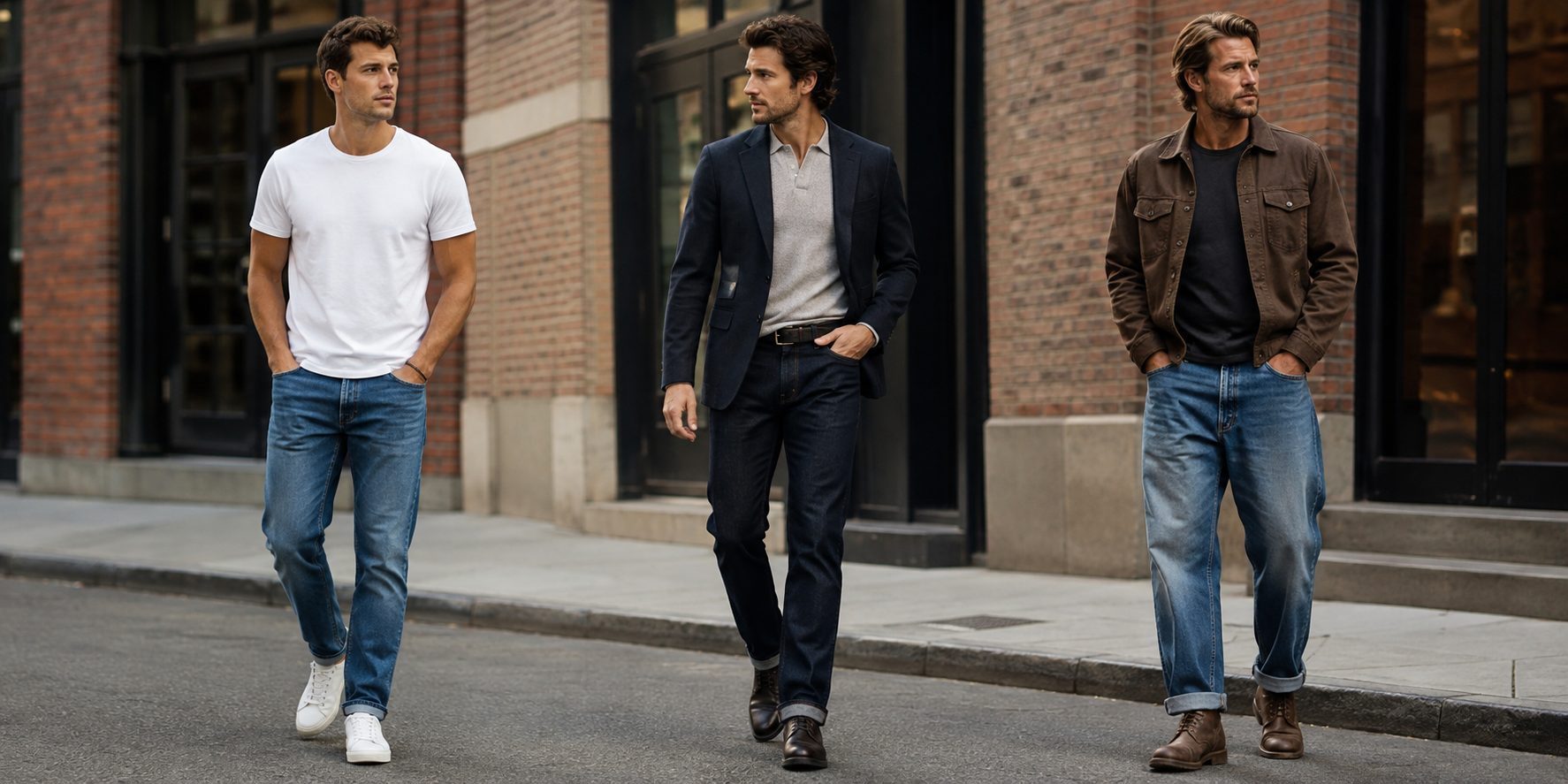
A man can put on a white T-shirt, blue jeans, and sneakers without thinking very hard and still look reasonably put together. Change the sneakers to boots and add a jacket, and the same jeans create a completely different impression.
That ease matters.
Men often want clothing that performs reliably without requiring a complicated styling system. Jeans work because blue, black, grey, washed indigo, and other common denim tones coordinate naturally with neutral shirts, jackets, knitwear, sneakers, and boots.
There is also a physical reason.
Good denim develops character through wear. Rigid cotton softens. Creases form around the hips and knees. Indigo fades differently depending on how the owner moves. This means jeans can feel increasingly personal rather than simply getting old.
What Makes Jeans More Versatile Than Other Men’s Pants?
Chinos usually look cleaner and more conventional. Joggers provide comfort but are harder to dress up. Dress trousers work well in formal environments but may feel too polished for casual use.
Jeans sit in the middle.
A dark, clean straight-leg jean can work for dinner, travel, casual offices, dates, or weekends. A heavily washed baggy jean can serve a completely different streetwear customer. A raw selvedge pair appeals to consumers who care about fabric construction and long-term fading.
That range is one reason denim brands can build entire collections around a single product category.
Why Have Jeans Never Really Gone Out of Style?
Denim survives because manufacturers and designers keep changing what a jean can look like.
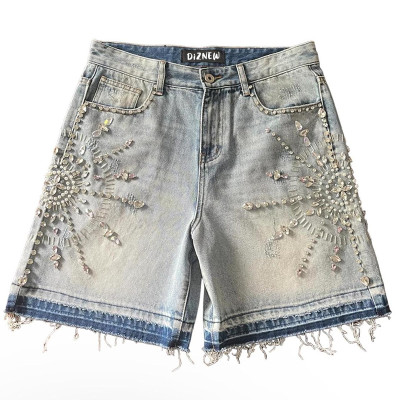
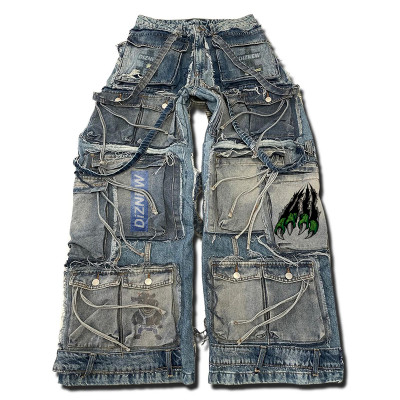
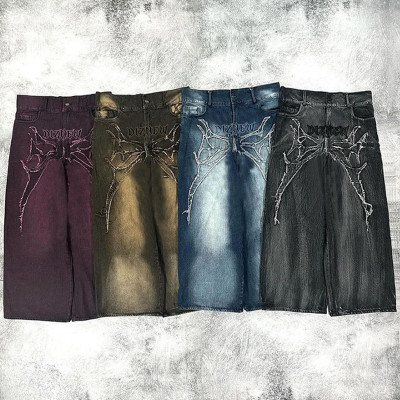
The skinny jeans of one period become the relaxed jeans of another. Dark clean denim gives way to vintage washes. Minimal five-pocket jeans sit next to stacked jeans, carpenter jeans, patchwork products, embroidery, distressing, coating, laser effects, and oversized silhouettes.
The category changes without disappearing.
Are Jeans Out of Style in 2026?
No.
What is changing in 2026 is the proportion of fashionable jeans rather than the relevance of jeans themselves. Menswear coverage still shows strong interest in roomy, straight, and baggy silhouettes, although the market is gradually moving away from the most extreme oversized shapes toward more balanced straight and relaxed fits.
This is an important difference for both shoppers and fashion brands.
A trend shift does not mean consumers suddenly stop buying denim. It means brands need to reconsider rise, thigh volume, knee width, leg opening, inseam, wash, and styling.
For a denim developer, those few centimeters can completely change whether a jean looks current or dated.
What Type of Jeans Looks Best on Men?
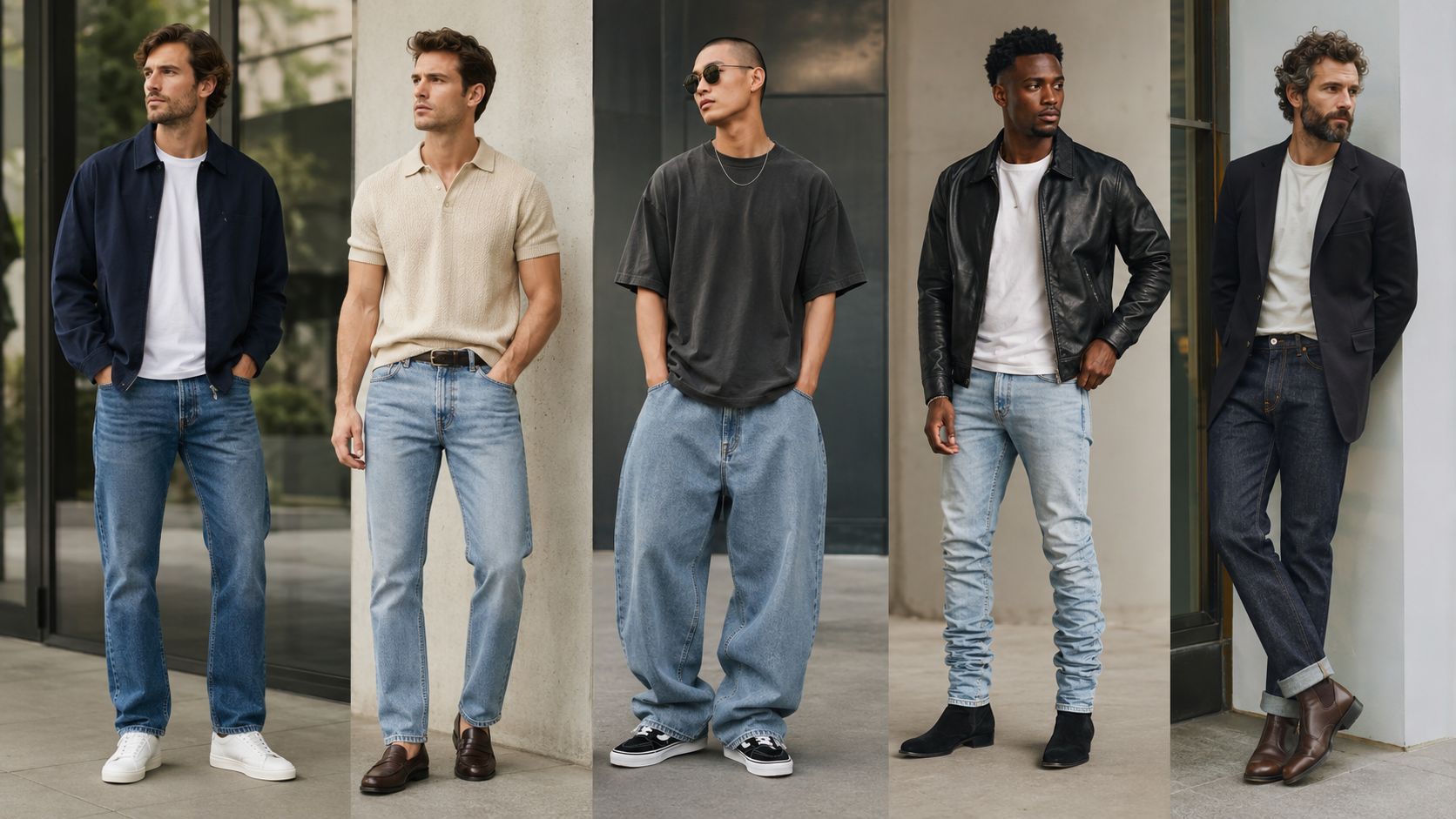
The best jeans for a man are usually the pair that creates balanced proportions without restricting movement or overwhelming his frame. Straight and slim-straight jeans remain highly versatile, while baggy, stacked, skinny, and selvedge styles work better when they match the wearer’s body type, footwear, lifestyle, and personal aesthetic.
Are Straight-Leg Jeans the Best Choice for Most Men?
For many men, yes.
Straight-leg jeans are forgiving because they do not exaggerate the legs in either direction. They avoid the compressed look of very skinny jeans while also avoiding the volume of oversized baggy styles.
A good straight pattern should have enough room through the thigh, then continue with a relatively clean line from knee to hem.
The exact dimensions still matter.
An athletic man may need additional thigh room to make a “straight” jean actually appear straight. A slimmer man may need less volume. This is why jeans developed from a generic size chart often fit differently from jeans created from a properly tested pattern.
Are Baggy Jeans Still in Style for Men?
Yes, especially in streetwear and fashion-led markets.
GQ’s 2026 coverage still describes baggy jeans as a major menswear silhouette, although it also notes that the market is gradually becoming less extreme.
The mistake is assuming that every large jean is a good baggy jean.
Well-designed baggy jeans need controlled volume. The rise, hip, thigh, knee, hem width, and inseam should create an intentional silhouette. Simply grading a standard jean several sizes larger usually creates poor balance.
For brands developing baggy denim, this is where sample fitting becomes critical.
Are Skinny Jeans Still Fashionable for Men?
Skinny jeans have not disappeared, but they are no longer the only dominant fit.
Some consumers still prefer a close silhouette, especially when wearing narrow boots, fitted jackets, or certain rock-inspired and luxury looks. What has changed is the market’s tolerance for variety.
A brand does not need to choose between “skinny” and “baggy.” Modern denim collections increasingly include several proportions for different customers.
Who Should Wear Stacked Jeans?
Stacked jeans work particularly well for men who want their denim and footwear to become part of the same visual statement.
The extended inseam creates folds above the shoe. That means fabric behavior matters. Too soft and the jean can collapse. Too stiff and the stacking may look bulky.
Designers also need to control the knee and leg opening carefully so the stack appears deliberate.
Are Selvedge Jeans Worth It for Men?
They can be, especially for buyers who value fabric, construction, and aging.
Selvedge denim is woven on narrower shuttle looms and is recognized by its finished fabric edge. It is often associated with more traditional denim production and premium positioning.
However, “selvedge” alone does not guarantee a great jean.
Fabric quality, yarn, weight, pattern, stitching, finishing, and fit still matter. A beautifully woven fabric in a poor pattern is still an uncomfortable pair of jeans.
What Jeans Do Girls Find Most Attractive on a Guy?
There is no universal answer because attraction is personal.
But one principle is remarkably consistent in styling discussions. Fit matters more than the label attached to the fit.
Straight and slim-straight jeans are often safe choices because they follow the body without looking either squeezed or shapeless. Dark or medium washes are also easy to style.
Baggy jeans can look excellent when the proportions appear intentional. Skinny jeans can work on the right frame. The key question is whether the jean makes the whole outfit look balanced.
The most attractive pair is rarely “the most expensive” or “the trendiest.” It is usually the pair that looks like it belongs on the person wearing it.
How Should Men Choose Jeans for Their Body Type?
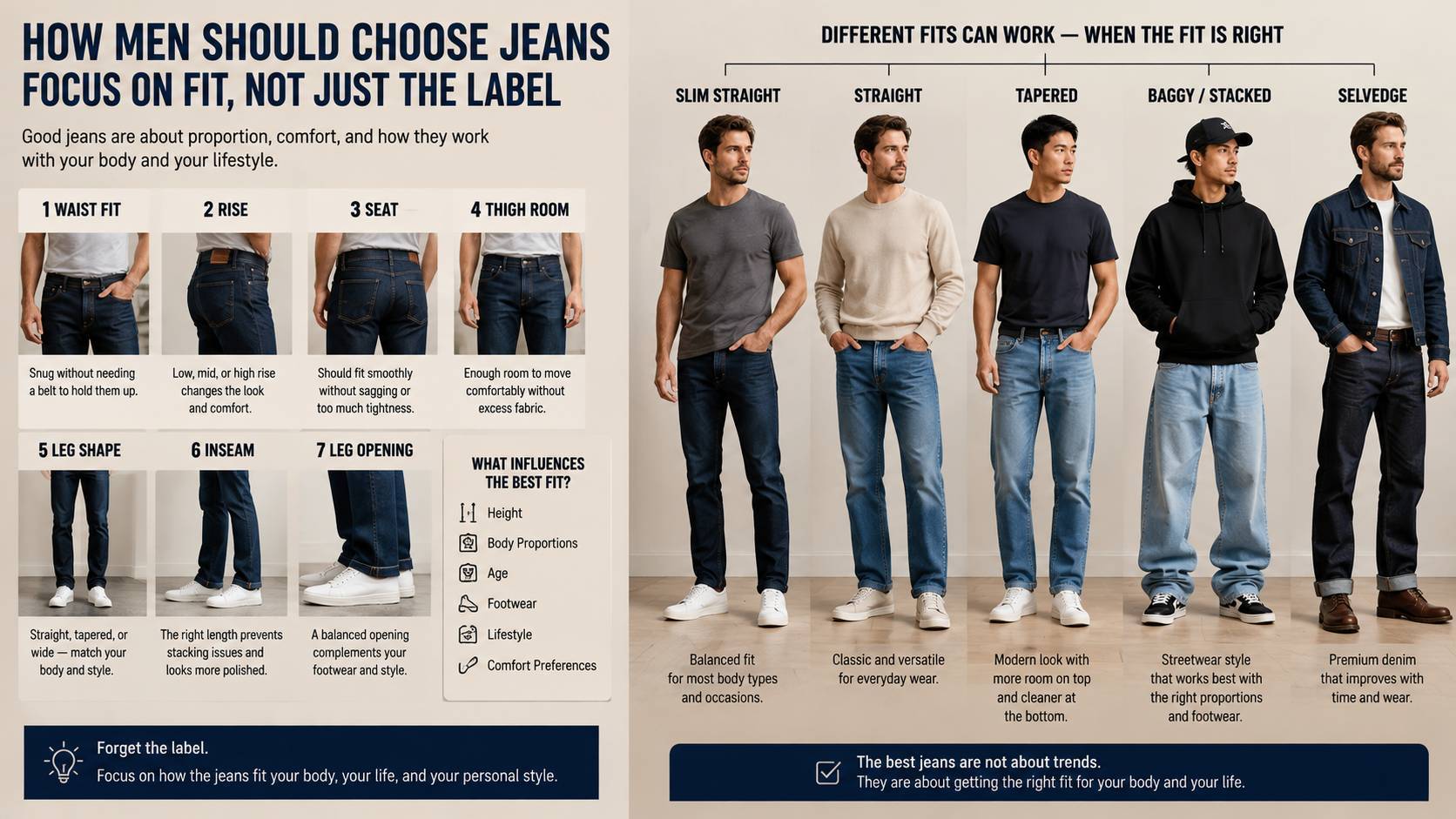
Men should choose jeans by looking at waist fit, rise, seat, thigh room, leg shape, inseam, and leg opening rather than relying only on a label such as slim, straight, or relaxed. Height, body proportions, age, footwear, and comfort preferences all influence which pattern works best.
How Should Jeans Fit a Man?
Start at the waist.
The waistband should stay secure without requiring excessive belt tension. The seat should follow the body without pulling aggressively. The thigh needs enough room for walking and sitting.
Then look downward.
The knee position determines how the lower leg falls. Inseam affects break and stacking. Leg opening determines how the jean interacts with sneakers, loafers, or boots.
This is why fit development is one of the most important stages in professional denim manufacturing.
| Fit Area | What to Check | Common Problem |
| Waist | Secure without squeezing | Gaping or excessive tightness |
Rise | Comfortable sitting and standing | Pulling at crotch |
Seat | Clean shape | Sagging or stress lines |
| Thigh | Enough movement | Fabric pulling |
| Knee | Natural bending point | Distorted silhouette |
Inseam | Correct break | Excessive bunching |
Leg opening | Matches footwear | Hem swallowing or catching shoe |
What Jeans Look Best on Tall Men?
Tall men can usually carry more visual volume.
Straight, relaxed, wide, baggy, and stacked jeans can all work because longer legs provide space for the silhouette to develop.
The biggest problem is often inseam length. A jean that is technically the correct waist size may still look short.
What Jeans Look Best on Short Men?
Shorter men generally benefit from cleaner vertical lines.
This does not mean they must wear skinny jeans.
A properly proportioned straight or slim-straight jean can make the legs look balanced. Excessive fabric pooling, extremely low rises, or very wide hems may visually shorten the body when they are not styled carefully.
What Jeans Are Best for Bigger Men?
Comfort should come from pattern engineering, not simply adding stretch.
Plus-size denim requires attention to waist construction, hip shape, thigh room, rise, and grading between sizes.
Straight and relaxed fits are often practical because they distribute volume more evenly.
For brands developing plus-size jeans, proper plus-size patterns are much better than mechanically enlarging a smaller base size.
Should a 60 Year Old Man Wear Jeans?
Absolutely.
There is no age at which denim suddenly becomes inappropriate.
A 60-year-old man may simply prefer a different interpretation of jeans than a teenager. Clean straight-leg denim, dark indigo, medium washes, restrained fading, and comfortable rises can work extremely well with shirts, knitwear, jackets, boots, and loafers.
Age should influence styling decisions less than lifestyle, body proportion, comfort, and personal identity.
Does Age or Body Type Matter More When Choosing Jeans?
Body proportion usually matters more for fit.
Age may influence taste. Body shape determines where the garment actually needs space.
A good denim brand should therefore avoid thinking only in demographic labels. Two men of the same age can need completely different rises, thighs, and leg openings.
How Can Men Wear Jeans for Different Occasions?
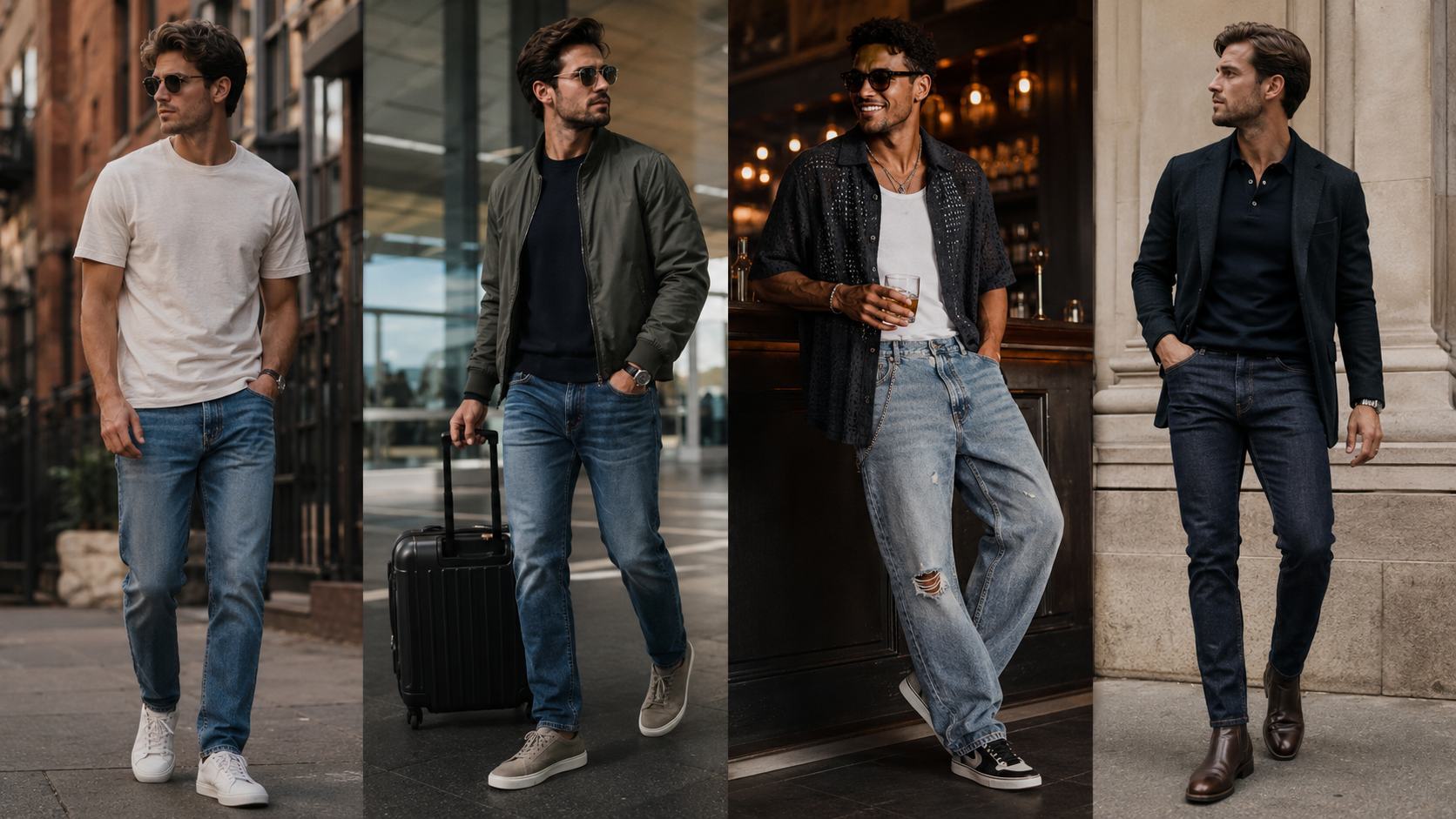
Men can wear jeans across casual, travel, social, and many smart-casual settings by changing the wash, fit, footwear, and layers around them. Cleaner dark denim usually works better for polished outfits, while faded, distressed, baggy, or stacked jeans communicate a more casual or fashion-driven style.
How Should Men Wear Jeans Casually?
Keep the combination simple.
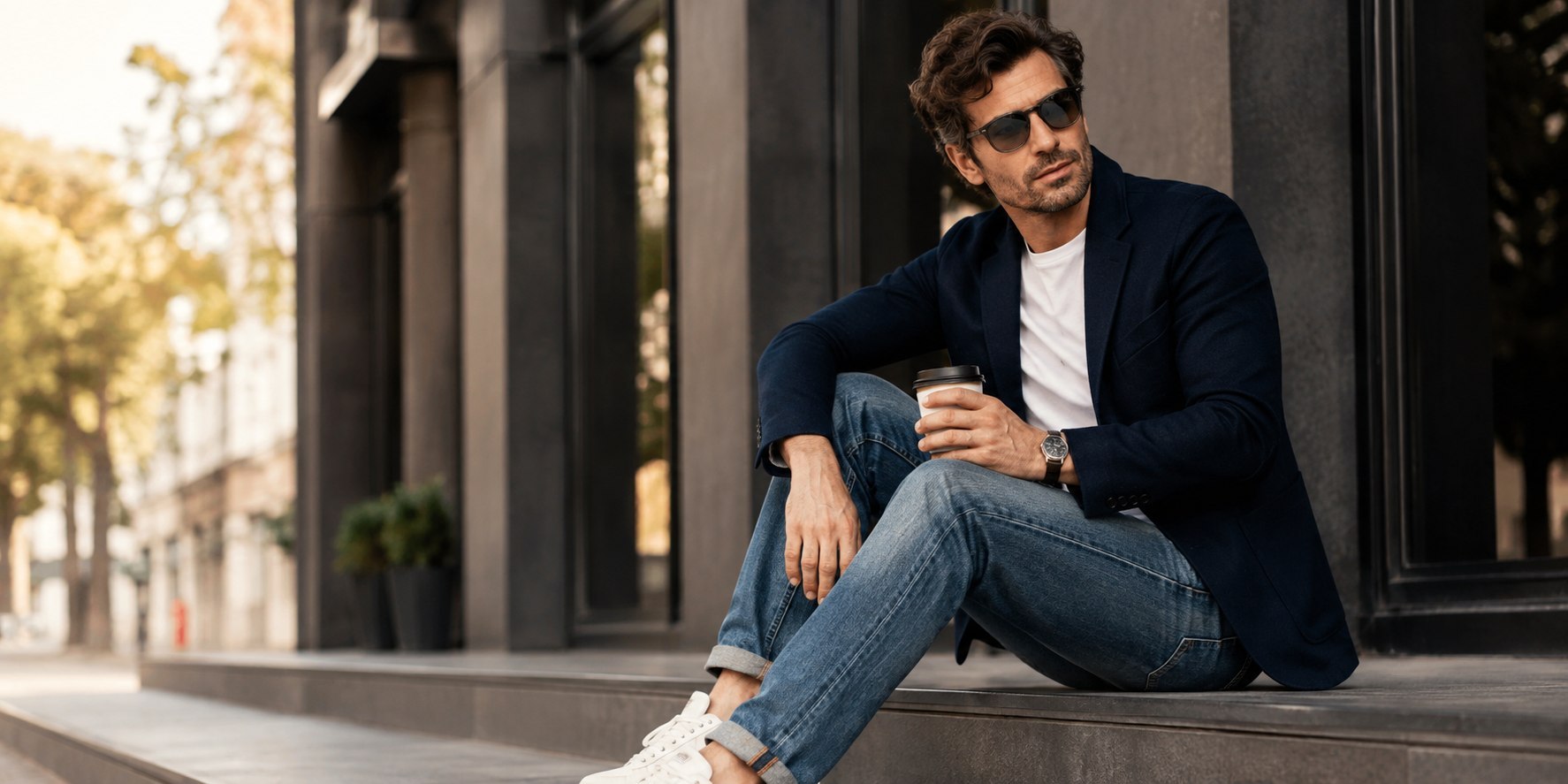
A T-shirt, straight jeans, and sneakers remains one of the easiest men’s outfits to wear.
From there, personality can come from denim washing, garment shape, accessories, footwear, or an outer layer.
A vintage wash creates a different mood from raw indigo. A distressed baggy jean says something completely different from a clean slim-straight jean.
Can Men Wear Jeans for Smart-Casual Outfits?
Yes, when the denim supports the setting.
Choose a darker wash, controlled fit, minimal distressing, and clean hem. Add an Oxford shirt, knit polo, overshirt, blazer, loafer, or simple leather sneaker.
The more polished the occasion, the less visual noise the denim usually needs.
What Shoes Look Best With Men’s Jeans?
Shoes and leg opening need to be considered together.
A wider jean usually needs enough footwear presence underneath it. Straight jeans work with sneakers, work boots, Chelsea boots, and many loafers. Narrow jeans pair more naturally with slimmer footwear.
This relationship is especially important when brands develop jeans for a specific audience.
A streetwear brand whose customers wear large sneakers may need a very different hem opening from a contemporary brand designed around loafers.
What Color Jeans Should Every Man Own?
If a man owns only one pair, dark or medium blue is usually the most useful choice.
Black adds another easy option. Light vintage washes create a relaxed appearance. Grey works well in monochrome wardrobes.
The best color depends on what is already in the closet.
What Is the 3-3-3 Rule for Men’s Fashion?
One widely used version of the 3-3-3 rule is simple.
Choose three tops, three bottoms, and three pairs of shoes that can work together.
This creates a small capsule wardrobe with many possible combinations. The Washington Post discussed the formula in 2026 as one of several styling frameworks that can help people simplify dressing and avoid unnecessary purchases.
Jeans are particularly useful in this system because one strong pair can connect casual shirts, knitwear, sneakers, boots, and jackets without requiring an entirely new outfit.
That is another reason jeans deserve the “best fashion friend” title.
Can Men Wear the Same Jeans in Different Seasons?
Yes.
The main variables are fabric weight, wash, and styling.
Lighter denim is easier in warm climates. Heavier denim adds structure and durability in cooler conditions.
During summer, jeans may be worn with a T-shirt or lightweight shirt. During fall, add knitwear. During winter, pair them with boots and a heavier jacket.
One pattern can therefore serve several seasons if the fabric is chosen carefully.
What Makes a Great Pair of Men’s Jeans Worth Keeping?
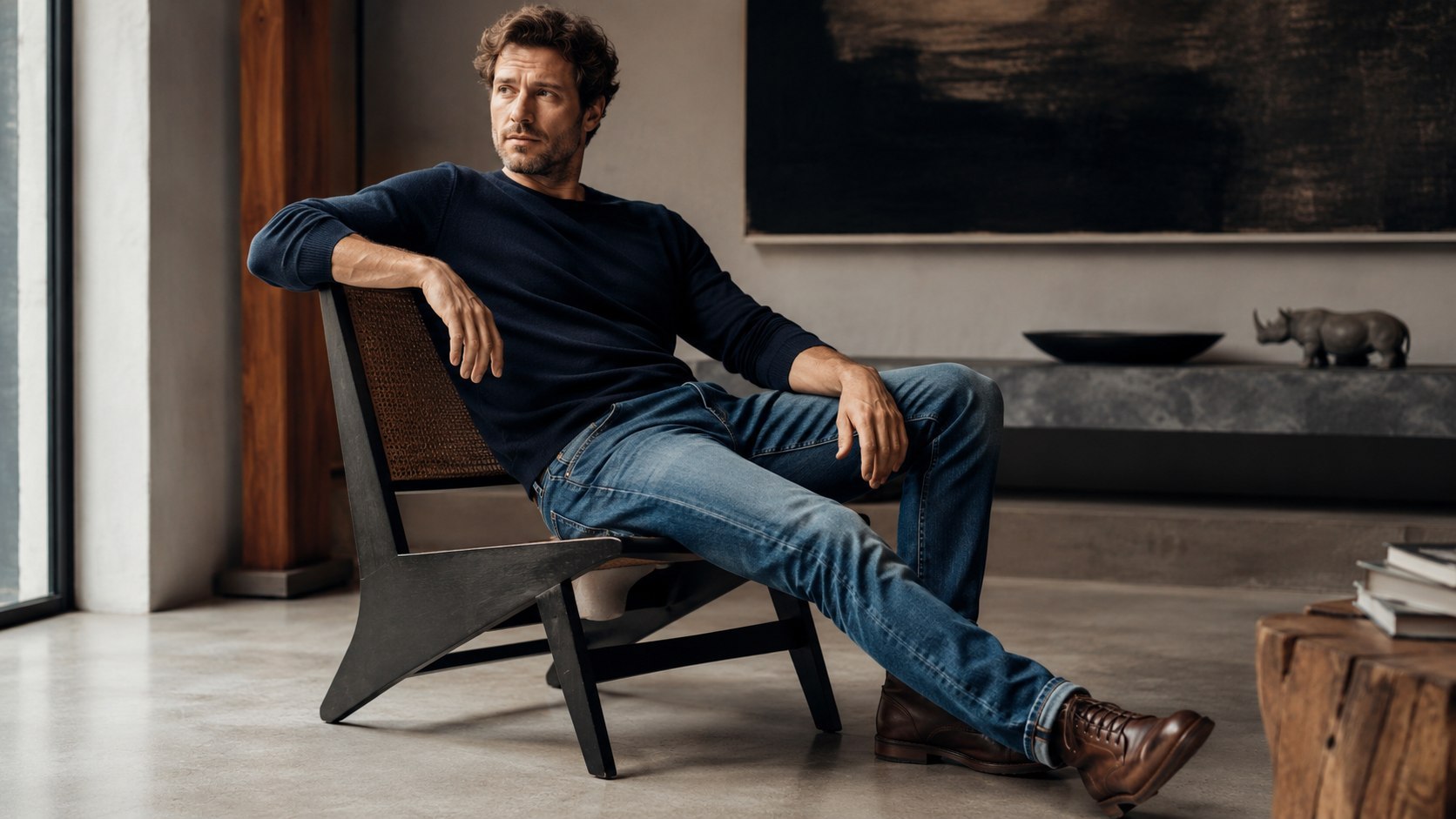
A great pair of jeans is worth keeping when the fabric, fit, construction, washing, and details continue to perform after repeated wear. Price alone does not determine quality. A well-developed jean should feel comfortable, retain an intentional shape, age attractively, withstand normal use, and remain easy to integrate into the owner’s wardrobe.
What Makes High-Quality Jeans Different From Cheap Jeans?
The difference often starts before sewing.
Fabric has weight, yarn structure, stretch behavior, shrinkage, color, and recovery characteristics. Those variables affect what patterns and washes are possible.
Then comes construction.
Pocket placement changes the appearance of the seat. Stitch density affects durability and visual quality. Seam allowance influences production stability. Zippers, buttons, rivets, labels, and thread need to suit both the design and expected wear.
Washing adds another layer of complexity.
Enzyme washing, stone effects, whiskering, hand sanding, laser processing, grinding, resin treatments, distressing, tinting, and other techniques can radically change the final garment.
A complicated reference image may therefore require several sample rounds before the correct effect is achieved.
Is 100% Cotton Better for Men’s Jeans?
Not automatically.
100% cotton denim is excellent for structure, traditional fading, and a more authentic denim feel. Many raw and selvedge products use it.
Stretch denim adds mobility and can suit slim fits, active consumers, or customers who prioritize comfort.
The “better” fabric is the one that supports the intended product.
Do Expensive Jeans Last Longer?
Sometimes, but price is not proof of construction quality.
A higher retail price can include branding, design, marketing, distribution, and retail margins.
Durability depends more directly on fabric, seam construction, fit, washing intensity, wearing frequency, and care.
An expensive jean that is heavily distressed may actually be intentionally less structurally durable than a simpler mid-priced heavy denim jean.
How Long Should a Good Pair of Jeans Last?
There is no honest universal number.
Someone wearing the same jeans five days a week creates far more abrasion than someone wearing them twice a month.
Fit matters too. Constant friction at the crotch or thigh can shorten garment life. Washing and drying methods also affect cotton fibers.
A better question is whether the jean was designed appropriately for its intended use.
Why Does Fit Matter More Than Trends?
Because trends attract attention, but fit determines repeat wear.
A customer might purchase a jean because of a dramatic wash or fashionable silhouette. If the waist rolls, thigh pulls, rise feels uncomfortable, or hem does not work with his shoes, he may stop wearing it.
For denim brands, that translates directly into customer satisfaction and repeat purchasing.
What Should Men Look for When Buying Jeans They Want to Keep for Years?
Look for a pattern that works with your body, a fabric appropriate for your lifestyle, strong construction, a useful wash, and a silhouette you can imagine wearing beyond one season.
The best jeans do not need to be boring.
They simply need a good foundation.
That principle is also important when developing a custom denim collection.
At DiZNEW, we have spent more than 20 years developing and manufacturing denim products for designers, boutique owners, online fashion businesses, and established brands. We can produce custom straight jeans, baggy jeans, stacked jeans, skinny jeans, plus-size jeans, jogger jeans, selvedge jeans, denim jackets, denim shorts, denim shirts, and complex fashion denim based on your own designs.
For brands, the real challenge is rarely finding “a pair of jeans.” It is turning an idea into the correct fabric, pattern, wash, construction, fit, trims, and production standard.
DiZNEW supports OEM and ODM denim development, including custom logos, fabrics, patterns, washes, distressing, embroidery, laser work, patchwork, and other detailed processes. Orders can start from 30 pieces for selected custom developments, while production capacity also supports larger orders of 10,000 pieces and above.
If you already have a tech pack, sketch, reference garment, or even just a clear design idea, send it to DiZNEW for a custom denim quotation and development review. We can help you evaluate how the design can be turned into a production-ready product and build the right denim solution for your market.