Why Do Jeans Have a Tiny Pocket?
Every pair of jeans you own—from your favorite skinny-fit to the baggiest streetwear cut—carries a hidden secret: that elusive tiny pocket, sitting discreetly above or inside your front right pocket. Ever wondered why it’s there? Is it purely decorative, or does it serve a deeper purpose? Denim lovers and fashion historians alike have debated this for decades.
On Reddit, threads titled “why does jeans have tiny pocket reddit” rack up thousands of comments speculating everything from cigarette holders to emergency coin stashes. But the truth is far richer: this micro-pocket is a direct heirloom of 19th-century workwear, born of necessity and refined by style.
The tiny pocket on jeans—originally called the “watch pocket” or “fob pocket”—was introduced by Levi’s in the 1800s to safely store pocket watches for miners and soldiers. Over time, it evolved: people stashed coins, tickets, guitar picks, and even SIM cards there. While its original function is largely obsolete, the little pocket remains a hallmark of authentic denim craftsmanship and a tasteful nod to jeans’ rugged heritage.
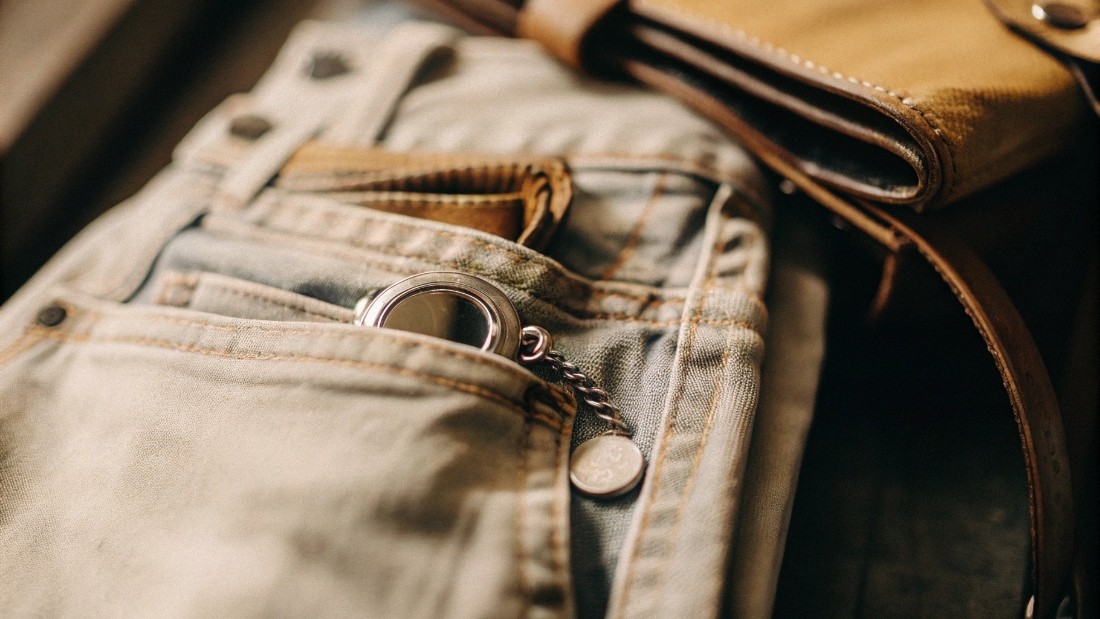
As you pull out your phone or coin, consider this: you’re engaging with over 150 years of functional design. Keep reading to uncover the untold history, modern uses, and why brands like DiZNEW can custom-engineer this tiny pocket to fit your lifestyle or brand identity
What Is the Origin of the Tiny Pocket in Jeans?
The tiny pocket—first appearing on Levi’s 501 jeans in 1873—was designed to hold the pocket watch of gold miners and Civil War veterans. Dubbed the “watch pocket” or “fob pocket,” its reinforced rivets and compact size protected delicate watch mechanisms during heavy manual labor. Its legacy endures today as an icon of authentic denim, even though most wearers no longer carry pocket watches.
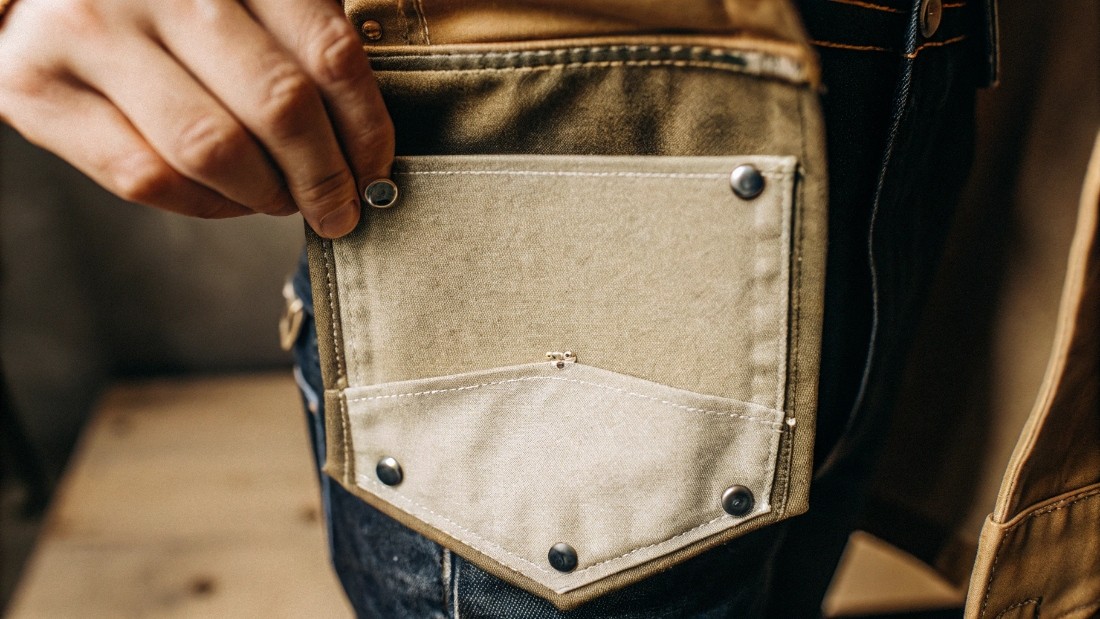
In the mid-19th century, when Levi Strauss teamed up with tailor Jacob Davis, they patented the use of copper rivets to strengthen work pants. Shortly thereafter, they added a small fifth pocket specifically sized for pocket watches. The California Gold Rush (1848–1855) had created a surge in handheld timekeeping devices, but mining tunnels and unpredictable terrain meant that watches were prone to damage.
The watch pocket’s snug fit minimized shocks, while copper rivets at stress points ensured durability. This practical innovation conferred a competitive edge, quickly earning popularity among miners, railroad workers, and Civil War soldiers transporting their own watches.
Interestingly, the gold mining history is not the only lore. Some historians trace wartime influence: Union officers often carried fob watches close at hand. When peace returned, the nostalgia for reliable timepieces lingered in civilian fashion. The tiny pocket thus became symbolic—representing both American ingenuity and the frontier spirit.
Names evolved, too. Early advertisements called it the “watch pocket.” By the 1940s, marketing materials often labeled it the “coin pocket” or “ticket pocket” as use cases diversified.
Regardless of name, its construction remained remarkably consistent: durable denim, precise stitching, and usually three rivets. This uniformity helped brands standardize production even as they experimented with fabric weight and stitching patterns.
Fast forward to the 21st century, and you’ll still find watch pockets in plus sizes, baggy jeans, stacked cuts, and selvedge lines. At DiZNEW, for example, we honor this heritage by customizing pocket dimensions, rivet placement, and fabric blends—from rigid 14.75 oz indigo to stretch-infused 10 oz comfort denim.
Whether you’re a small boutique designer or an online influencer launching your own label, understanding the pocket’s origin helps you respect authenticity while innovating for modern consumers.
What Was the Original Purpose of the Little Pocket on Jeans?
Originally called the “watch pocket” or “fob pocket,” its sole purpose was to secure pocket watches for miners and soldiers safely. The snug dimensions prevented watches from rattling or scratching, while rivets increased durability. Over decades, wearers repurposed it for coins, keys, and train tickets—turning it into a versatile micro-storage spot that still lives on in today’s jeans designs.
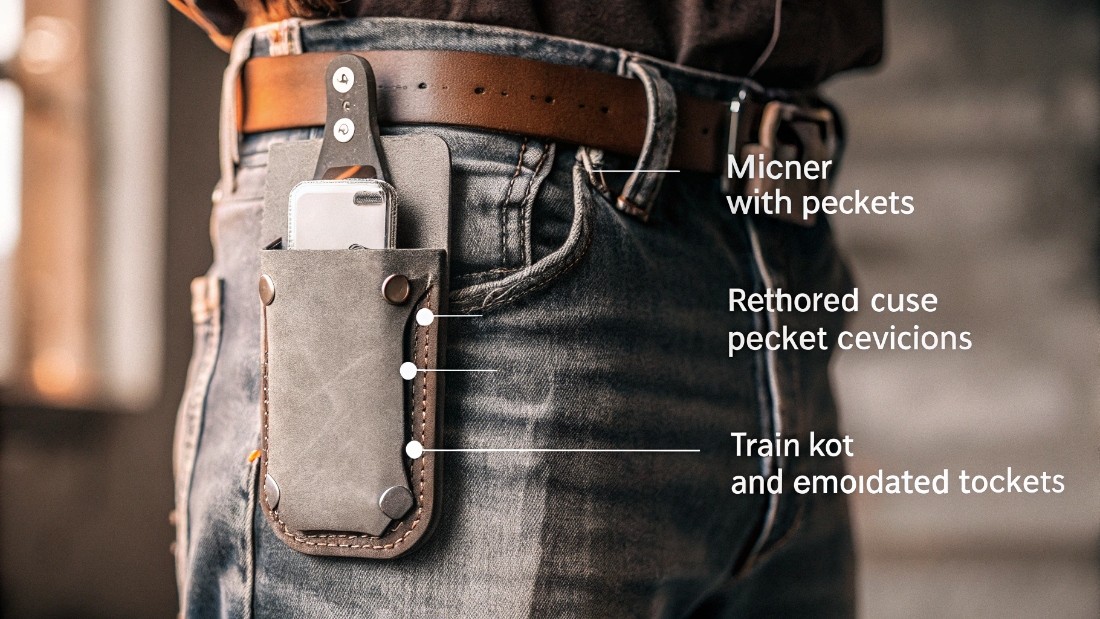
Few design elements in fashion have such a clear, utilitarian backstory as the tiny watch pocket. In the late 1800s, pocket watches were essential timekeeping tools. Their mechanisms were delicate, and the only way to transport them safely during strenuous labor was in a purpose-built pouch stitched into robust workwear.
When Jacob Davis proposed adding rivets, he aimed at heavy-stress areas—one at the bottom corner of each front pocket and one at the watch pouch. This ensured that constant jostling wouldn’t tear the pocket or the seam.
Beyond pocket watches, miners soon discovered additional uses: holding gold nuggets, small pliers, or a folded map. Soldiers returning from war stashed bullets or field notes. By the early 20th century, urban workers used the pocket for coins or house keys.
Marketing shifted: catalogues began calling it a “coin pocket” or “ticket pocket,” acknowledging these new functions. Denim brands even advertised it as ideal for spare change—especially useful before ubiquitous digital payments.
However, style also played a role. The tiny pocket broke the monotony of wide pant faces, offering a subtle asymmetry. Blue-collar roots gave way to counterculture. In the 1950s, rock’n’roll icons like James Dean and Marlon Brando popularized jeans in mainstream fashion. They wore the watch pocket—even if they didn’t carry a watch—symbolizing rugged authenticity.
Today, modern designers view it as a creative canvas. You’ll see variations: horizontal openings in seamed pocket jeans, angled entries in slim cuts, and decorative stitching in selvedge lines.
DiZNEW’s OEM/ODM service can modify pocket depth by up to 20 mm, change rivet count and placement, or even add a mini zipper for security. Such tweaks honor the pocket’s original purpose—safe storage—while catering to contemporary needs, like stashing a micro-USB drive or emergency earbud.
What Is the Point of the Tiny Pocket on Jeans Today?
Today’s tiny pocket is largely a nod to heritage, but it still serves practical uses: coin storage, SIM cards, guitar picks, or emergency cash. Reddit threads confirm users stash everything from chapsticks to train tickets in it. Some brands equip it with rivets or tiny buttons for style and security. In short, the pocket endures as a functional accent—a place for your smallest essentials and a link to denim’s 19th-century origins.
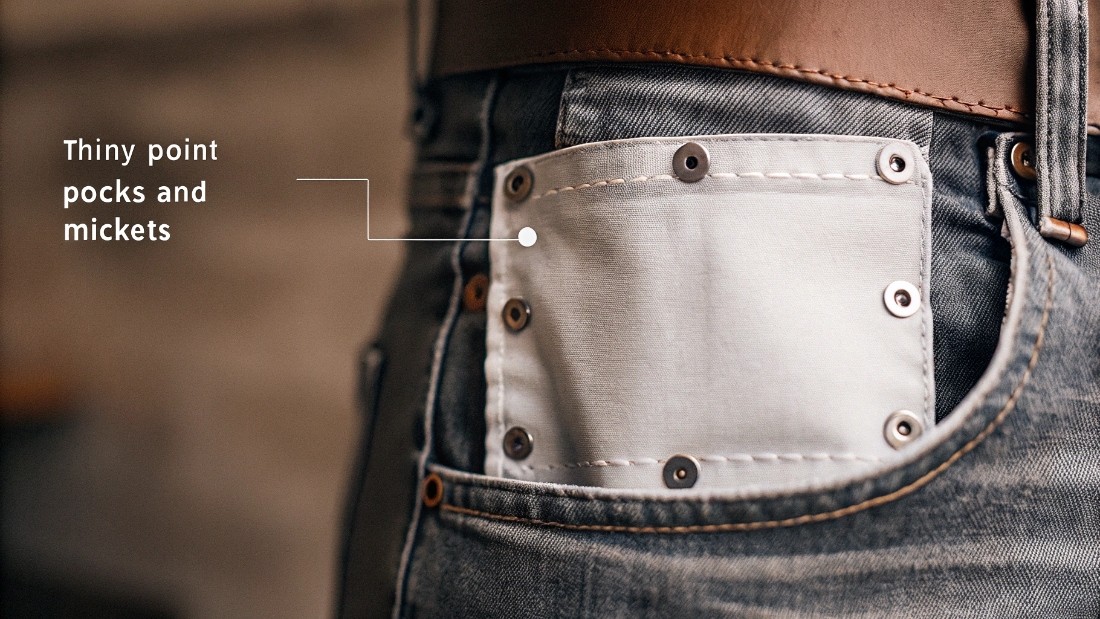
Modern denim wearers rarely carry pocket watches. Instead, they repurpose the tiny pocket for a variety of micro-storage tasks. On Reddit, the most popular thread—“why does jeans have tiny pocket reddit”—features over 1,200 comments. Users report storing SIM cards while traveling, spare guitar picks during practice, or even folded Post-it notes.
Users report storing SIM cards while traveling, spare guitar picks during practice, or even folded Post-it notes. In cities where public transit is king, commuters keep transit cards or coins for ticket machines at the ready. Festivalgoers stash emergency cash or lip balm. The consensus: it’s the perfect safe zone for items you need on hand but don’t want rattling in a full-size pocket.
Why do some brands add tiny buttons or rivets? A rivet not only echoes the original utilitarian design but also reinforces stress points around openings. Tiny buttons—common in high-fashion labels—lend a decorative flair while keeping contents secure.
Sample ContentDiZNEW’s customized rivets can be raw copper for a vintage look, antique brass for warmth, or stainless steel for a modern twist. Buttons can be dyed to match the denim or contrast for visual impact.
There’s also growing interest in tech integration. Micro-zipper closures, RFID-blocking lining, or even a hidden headphone port are now feasible on the tiny pocket. For activewear hybrids, we sew stretch panels behind the pocket to prevent snagging when you reach for your items.
Outdoor lifestyle brands ask for water-resistant coatings inside the pocket. All these innovations spring from the same fundamental principle: keeping small, important items within reach yet protected.
Furthermore, the tiny pocket is a storytelling element. Designers use its shape, size, and stitching pattern to signal brand identity. A rounded entry might suggest a vintage-style jean; a sharply angled opening communicates avant-garde fashion.
At DiZNEW, we provide 3D CAD renders of pocket prototypes so clients can visualize how tiny adjustments affect usability and aesthetics. This collaborative process helps emerging designers and established brands alike create a pocket that’s more than a relic—it’s a modern utility.
How Have Modern Jeans Styles and Customization Evolved Around the Tiny Pocket?
Modern styles—plus sizes, baggy, skinny, stacked, and selvedge jeans—all interpret the tiny pocket differently. Seamed-pocket designs integrate it in side panels; joggers may replace rivets with stretch panels. Through OEM/ODM customization, factories like DiZNEW can adjust pocket dimensions, fabric blends, and hardware finishes, ensuring the pocket complements the jean’s silhouette and target customer’s lifestyle. From high-end brands to small boutiques, the tiny pocket remains a key design element open to endless innovation.
Denim fashion today is a kaleidoscope of fits and finishes, yet the tiny pocket appears in nearly every iteration. Let’s explore how different styles adapt this feature:
1. Plus Sizes and Baggy Jeans:
Larger silhouettes require proportionally scaled pockets to maintain aesthetics and functionality. At DiZNEW, we increase pocket mouth width by up to 15 mm and reinforce seams with bar-tacks to handle heavier loads—think phone adapters or multiple coins.
Baggy jeans often feature deeper pockets (up to 120 mm) so that items don’t slip out in a relaxed fit.
2. Skinny and Straight Jeans:
Skin-tight denim demands a more compact pocket (usually 40–50 mm deep) to avoid bulges. We use stretch-denim blends (2–5% spandex) and a single-bar stitch to secure slim profiles.
Straight-leg jeans often keep the traditional dimensions but shift pocket placement slightly higher for a balanced silhouette.
3. Stacked and Selvedge Jeans:
Stacked jeans, known for intentional overlength at the ankle, reinterpret the tiny pocket with angled or curved openings for stylistic drama.
Selvedge—celebrated for its self-finished edge—frequently showcases the pocket’s interior seam. We offer selvedge strips in contrasting colors (red, white, black) and expose them in pocket linings as a signature detail.
4. Denim Jackets and Shorts:
Even in outerwear, micro-pockets appear—often on the chest area for coins or mints.
Denim shorts use smaller rivets and lighter-weight lining fabrics to prevent bulk in warmer weather.
Each of these variations requires precise technical specs. DiZNEW’s in-house pattern makers and fabric experts collaborate with clients to select appropriate denim weights (8 oz for summer, 16 oz for rugged jackets), rivet materials, and stitch counts.
We house over 200 rivet and button finishes, plus a library of 150 warp-and-weft fabric swatches, enabling bespoke production runs from 30 to 10,000 pieces. This level of customization ensures that whether you’re launching a micro-brand on Etsy or fulfilling bulk orders for a high-end retailer, your tiny pocket will align perfectly with your design vision and customer expectations.
Should You Care About the Tiny Pocket When Buying Your Next Pair?
Yes—pocket depth, rivet placement, and fabric type influence utility, comfort, and durability. A deeper pocket secures larger items; reinforced rivets prevent tears; stretch-denim liners enhance fit. If you need specialized features—RFID protection, mini-zipper, or custom branding—look for OEM/ODM services like DiZNEW. By specifying tiny pocket details, you ensure the jeans not only look authentic but also serve your everyday needs or brand promise.
Savvy denim shoppers—and brand owners—understand that small details can make or break a garment’s performance. Here’s why you should scrutinize the tiny pocket before purchase:
1. Pocket Depth & Width:
Shallow pockets (<50 mm) are stylish but limit what you can carry. Ideal for phone SIM cards, guitar picks, or coins.
Deeper pockets (80–120 mm) suit modern necessities like folding cash, train tickets, or compact power banks.
At DiZNEW, we offer adjustable depths in 5 mm increments, letting you fine-tune capacity without compromising the jean’s drape.
2. Rivets & Reinforcement:
Traditional copper rivets provide vintage character but can corrode over time. Brass or stainless steel alternatives offer longer-lasting finishes.
Bar-tacks at pocket corners distribute stress evenly, reducing fabric tears.
Clients often choose 3-rivet configurations for authenticity but can opt for 5-rivet layouts in heavy-duty workwear lines.
3. Fabric & Stitching:
Rigid denim pockets showcase creases and promise that broken-in feel. Stretch liners (2–5% spandex) in pocket bags reduce binding.
Contrast stitching draws attention to the pocket shape, letting it double as a brand signature.
DiZNEW’s table of fabric options:
| Denim Weight (oz) | Stretch (%) | Recommended Style |
8–10 | 0 | Lightweight shorts, summer fits |
| 10–12 | 2-3 | Skinny, straight jeans, jackets |
| 12–14 | 1 | Baggy, stacked, midweight jackets |
| 14–16 | 0 | Raw selvedge, rugged workwear |
By engaging with a factory like DiZNEW, you gain direct access to fabric sourcing, pattern making, hardware libraries, and quality control. Whether you’re producing 30 prototypes or 10,000 retail-ready units, you can tailor every aspect of the tiny pocket—down to the color of the rivet—and guarantee that your jeans deliver both style and function.
Conclusion & Call to Action
Next time you glance at that tiny pocket, remember: it’s more than a vestige of the past—it’s a canvas for innovation. If you’re a designer, boutique owner, or online influencer looking to launch or expand your denim line, DiZNEW stands ready to transform your vision into reality.
With two decades of expertise in custom OEM/ODM denim production, we offer low minimums (30 pieces), bulk capacity (up to 10,000 pieces), and full-service support from design sketches to finished samples. Elevate your brand with tailor-made tiny pockets and unbeatable quality. Contact DiZNEW today for a free consultation and sample quote—let’s stitch your next bestseller together.
OEM & ODM Drop Crotch Jeans for Women - Tailored denim solutions designed for brands seeking unique styles and quality.
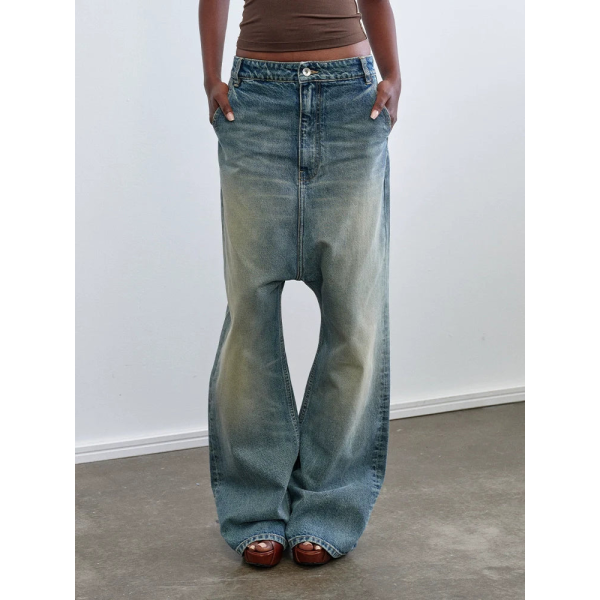
OEM & ODM Drop Crotch Jeans for Women - Tailored denim solutions designed for brands seeking unique styles and quality.
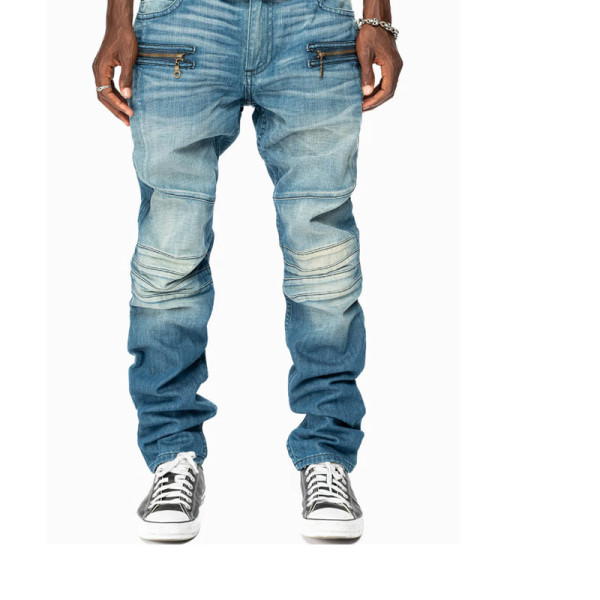
Custom Blue Cycling Jeans: Tailored for performance with OEM & ODM services. Perfect for brands seeking unique denim solutions.
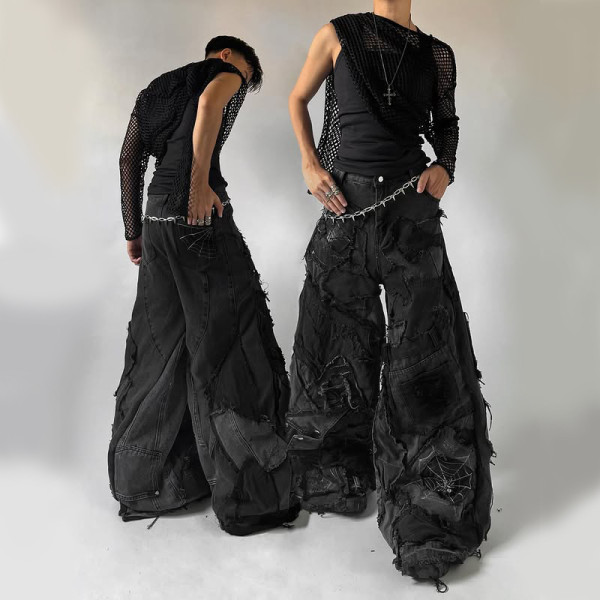
Wholesale Custom Black Wide Leg Jeans - Tailored Denim for Brands. Enjoy OEM/ODM services to elevate your design.