Which city is famous for denim products?
Ask ten denim lovers where the world’s best jeans come from and you may get several different answers. A vintage collector may point to Kojima in Japan. Someone who grew up with Levi’s may immediately think of San Francisco. A fashion designer developing a new baggy jean may care more about Los Angeles, Guangzhou, or another manufacturing center where samples, washes, trims, and complicated construction can actually be produced.
That difference matters because denim has several capitals depending on what you are looking for. Some cities became famous through history and craftsmanship. Others built their reputation through brands, fabric mills, large production networks, or highly flexible custom manufacturing.
Kojima in Kurashiki, Okayama Prefecture, is one of the cities most closely associated with premium denim and is widely known as the birthplace of Japanese jeans. San Francisco is historically important because Levi Strauss & Co. helped create the riveted blue jean there. Today, major denim production also takes place across manufacturing centers in China, Pakistan, Bangladesh, Turkey, Japan, and other countries, so there is no single city that controls the global denim industry.
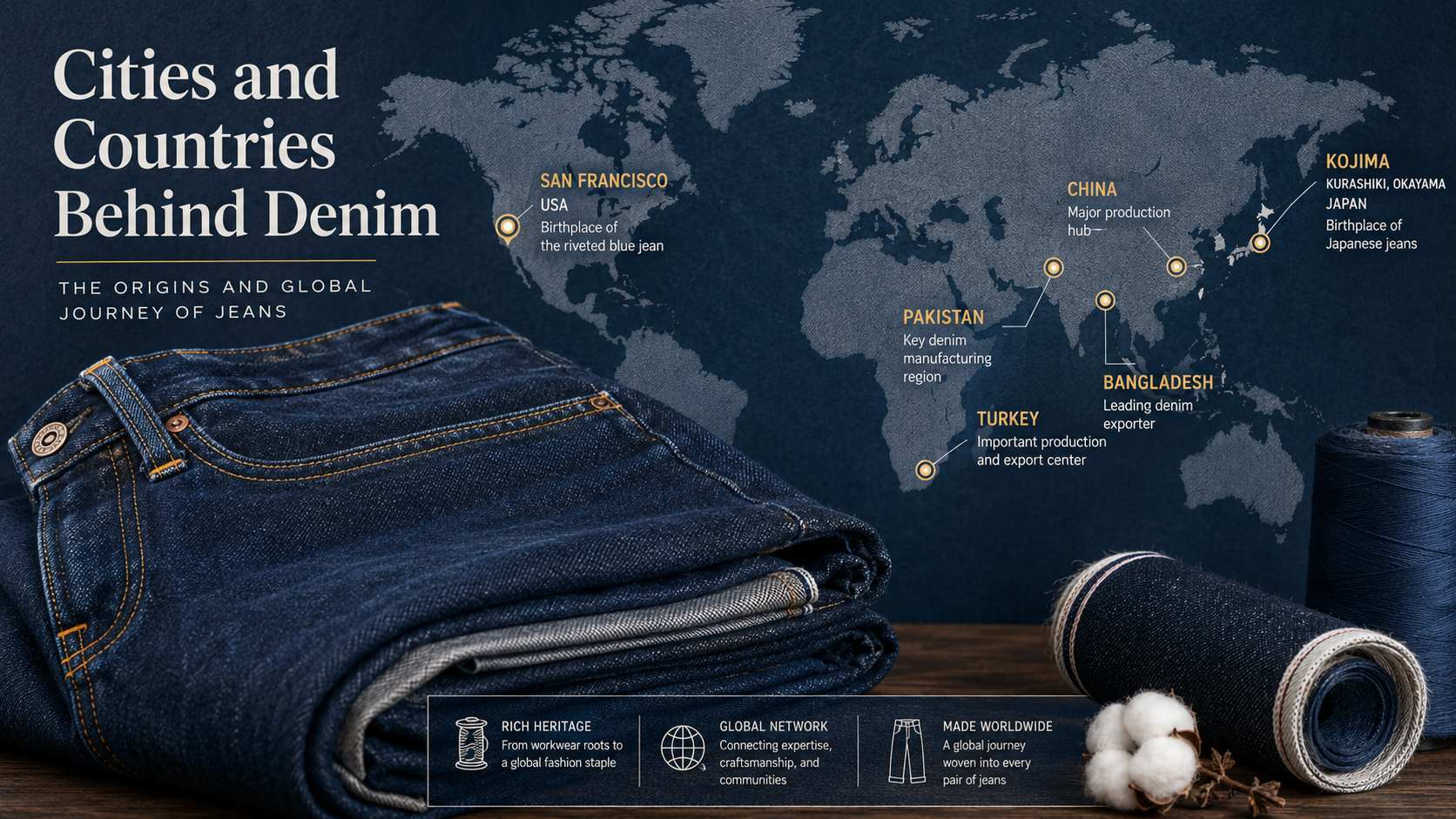
The interesting part starts when you look beyond the label inside the waistband. A pair of jeans may begin with fabric from one region, use trims from another, be developed by a designer in New York, and then go through pattern making, sewing, distressing, washing, and finishing in China. Follow that pair of jeans backward and the denim map becomes much more interesting.
Why Is Kojima, Japan Famous for Denim?
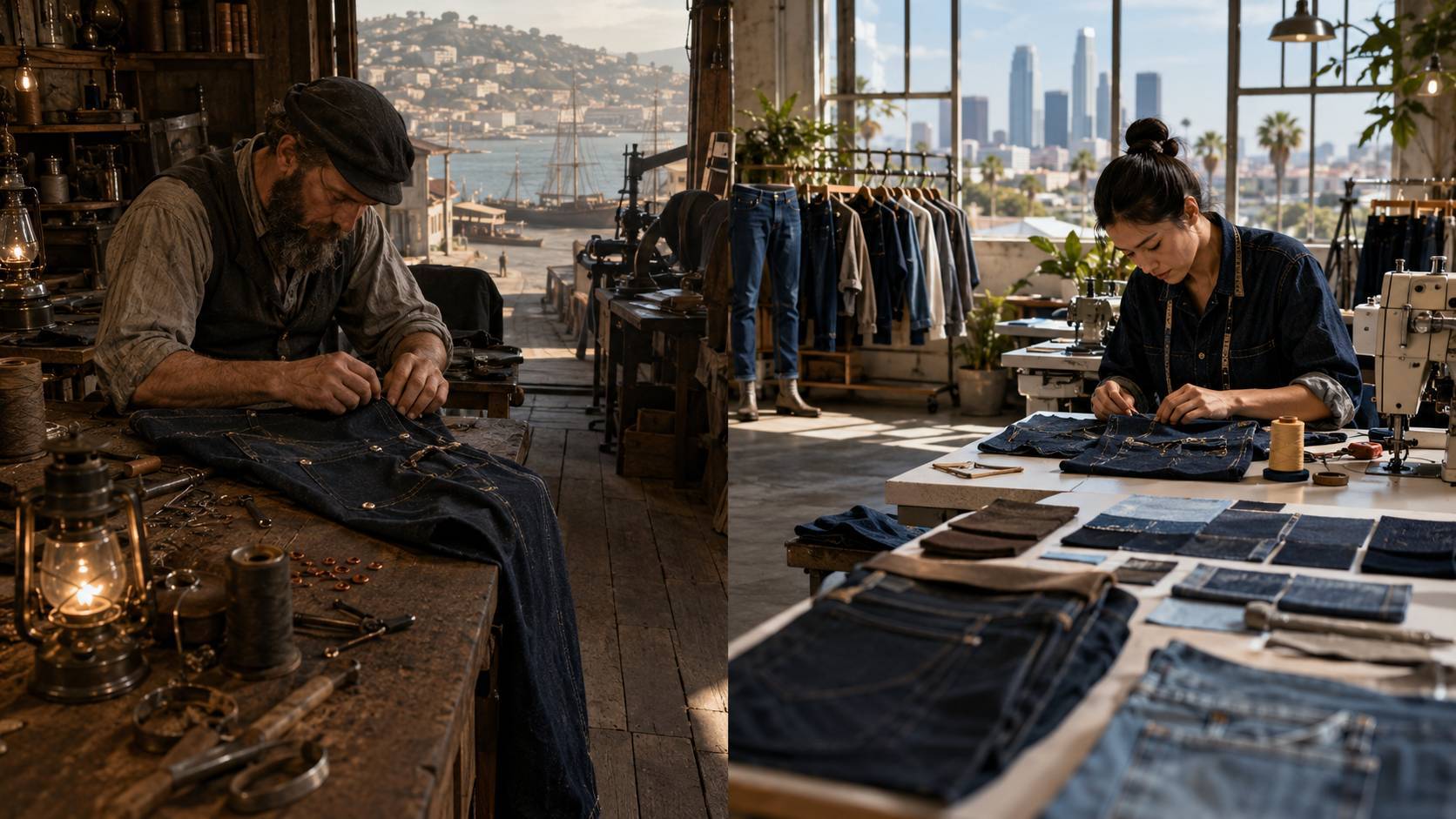
Kojima, a district of Kurashiki in Okayama Prefecture, is famous because it played a central role in the development of Japanese jeans. The area grew from a long established textile industry into a specialist denim cluster known for sewing, dyeing, washing, vintage inspired construction, and premium jeans. Today, Kojima Jeans Street has become an international destination for people interested in Japanese denim craftsmanship.
Where in Japan Is Denim Originally From?
When people ask where Japanese denim originally comes from, Kojima is usually the place they are trying to find.
The Japan National Tourism Organization describes Kojima in southern Kurashiki as the home of Japanese denim and traces the local textile industry much further back than the modern jeans business. Cotton cultivation and textile manufacturing had already developed in the region before Japanese jeans became commercially important. That existing knowledge of fabric, sewing, and garment production gave local manufacturers a useful head start.
Kojima later became strongly associated with domestically produced jeans. Today, the area has turned that industrial history into a visible denim culture.
What Is Kojima Jeans Street?
Kojima Jeans Street runs through an area filled with denim shops and local manufacturers. Japan’s tourism authority reports that the street has more than 30 denim stores and attracts around 100,000 visitors a year. Okayama’s official tourism site describes it as a roughly 400 meter stretch where local jeans manufacturers and brands are concentrated.
For a denim buyer, that concentration is more interesting than the tourist photos. A serious denim cluster develops when fabric knowledge, sewing skills, washing techniques, product development, and brand culture exist close together. Kojima has built that ecosystem over decades.
Is Kojima the Same as Okayama Denim?
Not exactly.
Okayama is the prefecture. Kojima is a district of Kurashiki City within Okayama Prefecture. In international fashion conversations, people often use the phrase "Okayama denim" more broadly when referring to premium denim associated with the region.
For buyers, the distinction is useful. A fabric may come from one company in Okayama while a pair of jeans is cut, sewn, washed, or finished somewhere else. Country of origin alone never tells you the complete production story.
Why Is Japanese Denim Considered Premium?
Japanese denim earned its reputation through attention to fabric character, weaving, indigo color, selvedge construction, sewing, and controlled finishing. Many enthusiasts also appreciate heavy rigid fabrics and jeans designed to develop distinctive fades through wear.
Selvedge gets plenty of attention, although it should not automatically be treated as a guarantee of quality. Levi Strauss & Co. explains that selvedge simply refers to the finished edge of the woven denim that prevents unraveling. Fabric quality still depends on yarn, weaving, dyeing, finishing, and how the garment is constructed.
Where Is the Denim Capital of the World?
Kojima is often called a denim capital because of its influence on premium Japanese jeans. The title has no single official global owner.
China has huge manufacturing clusters. Japan is highly influential in premium craftsmanship. Los Angeles remains relevant to fashion development. San Francisco holds an important place in jeans history.
The useful question for a buyer is what kind of denim capital you need.
A collector may choose Kojima. A brand building a complicated 12 style collection may care more about development capacity, sample speed, washing, and production flexibility.
Which City Is Famous for Denim in the USA?
San Francisco has one of the strongest historical claims to denim fame in the United States because Levi Strauss founded his business there in 1853 and later worked with Jacob Davis on the patented riveted work trousers that became blue jeans. Los Angeles has become another important city for contemporary denim through fashion design, product development, manufacturing, and premium apparel production.
Why Is Los Angeles Important to the Denim Industry?
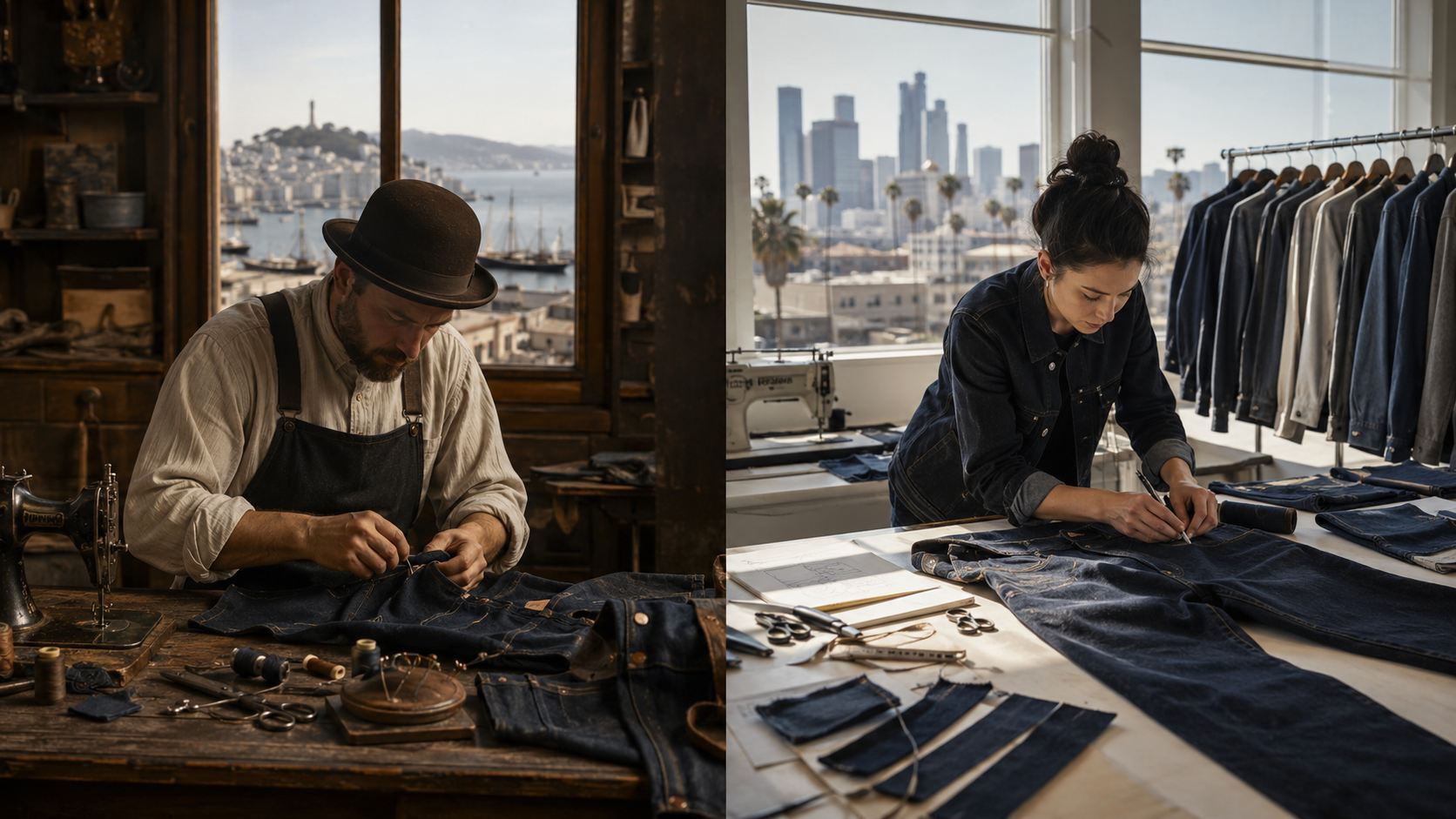
Los Angeles sits close to fashion brands, designers, sample rooms, pattern makers, wholesalers, and garment manufacturers. The LA Fashion District still lists companies providing pattern making, sampling, small batch production, private label services, and denim manufacturing.
That makes the city useful for emerging labels that want physical access to development teams.
The tradeoff is cost. A brand may enjoy local communication and short development distances in Los Angeles while paying considerably more for manufacturing than it would in major Asian production centers.
Is Los Angeles the Denim Capital of America?
It is reasonable to describe Los Angeles as one of America’s important modern denim and apparel development centers. San Francisco still carries greater historical weight because blue jeans are closely tied to Levi Strauss.
Levi Strauss & Co. records that Levi Strauss established his San Francisco business in 1853. In 1873, Strauss and Jacob Davis received the US patent for riveted work pants that became modern blue jeans.
That gives American denim two different geographic stories. San Francisco represents origin and heritage. Los Angeles represents a large part of the contemporary fashion and development ecosystem.
What Are the Big 3 Denim Brands?
There is no official industry rule defining three global denim brands as the "Big 3." Levi’s, Wrangler, and Lee are three of the most historically influential American names.
Levi’s traces the blue jean to its 1873 patent with Jacob Davis. Wrangler launched its authentic Western jeans in 1947. Lee began producing workwear in 1912 and introduced its Cowboy Pants in 1925.
Their importance goes beyond sales. They helped establish many details consumers now take for granted, including riveted five pocket jeans, Western cuts, workwear construction, and recognizable back pocket branding.
What Is the Difference Between American and Japanese Denim?
American denim culture grew heavily from workwear, ranch clothing, mining, and everyday utility. Japanese denim culture later studied many of those American garments closely and developed a strong premium market around fabric, vintage construction, selvedge, and aging.
Neither approach is automatically better. The right one depends on the product.
A clean commercial stretch jean for a fashion retailer has very different requirements from a 15 oz rigid selvedge jean designed to fade over several years.
Which Countries and Cities Produce the Most Denim Products Today?
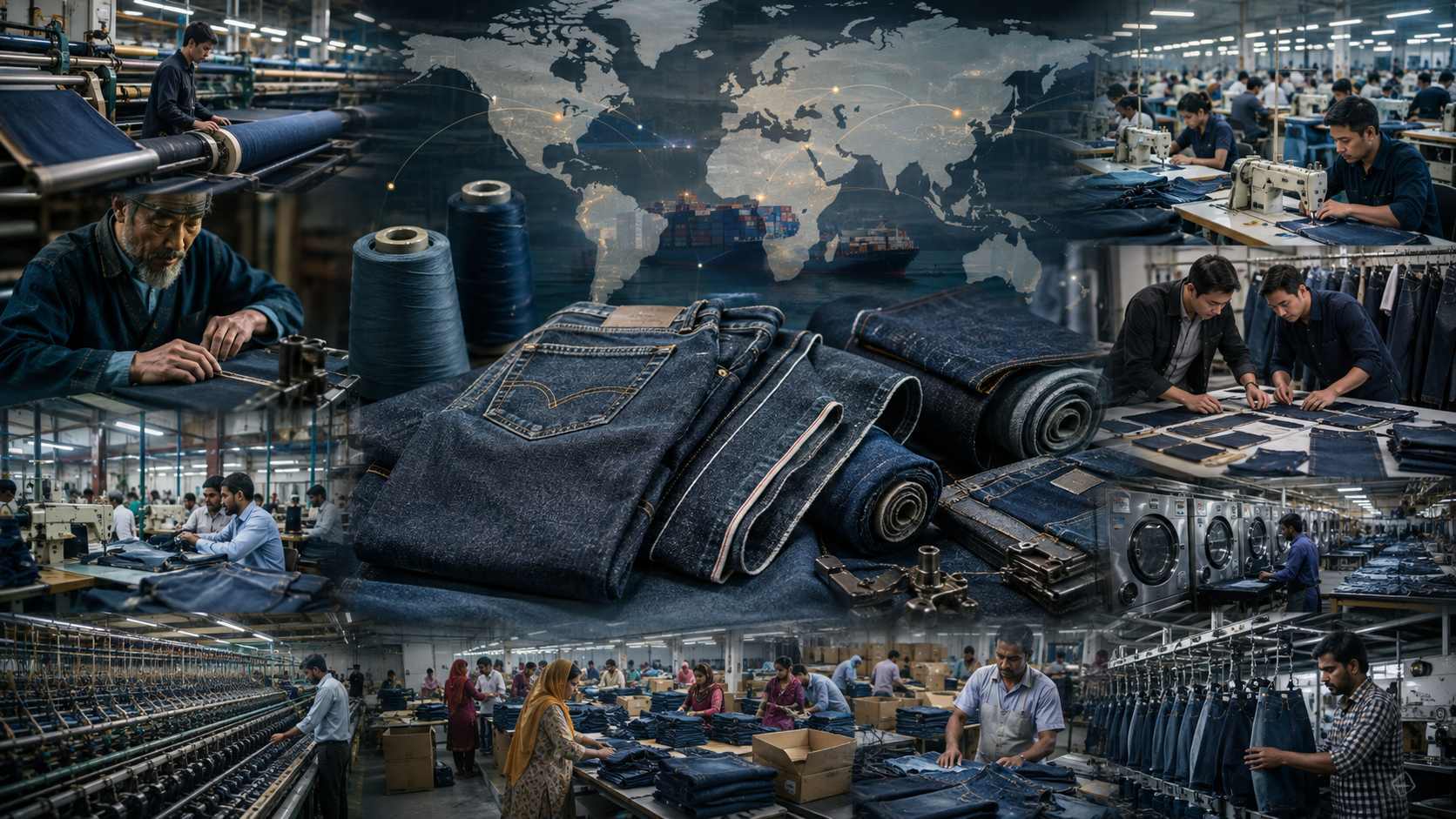
Modern denim production is spread across several countries. China, Pakistan, Bangladesh, Turkey, Japan, India, and other manufacturing regions play different roles. Japan is particularly respected for premium and selvedge denim, while China has strong advantages in supply chain depth, product development, custom washes, flexible order quantities, and large scale OEM and ODM manufacturing.
Which Country Makes the Best Denim?
There is no universal winner.
Japan is a strong choice for premium selvedge and heritage inspired products. Turkey has a respected textile industry and useful access to European markets. Pakistan has major denim mills and large export manufacturing capabilities. Bangladesh is highly competitive for volume apparel production. China combines fabric sourcing, trims, pattern making, sewing, washing, embroidery, printing, distressing, and packaging within very developed manufacturing regions.
A brand should define "best" before choosing a country.
| Brand Requirement | Strong Manufacturing Option |
| Premium selvedge jeans | Japan |
| Heritage and vintage denim | Japan |
| Large commercial production | China, Bangladesh, Pakistan |
Complex customized denim | China |
European supply proximity | Turkey |
Flexible OEM and ODM development | China |
Small batch designer collections | Specialist factories in China, Japan, USA |
Why Is China Important in Global Denim Manufacturing?
China’s strength comes from its industrial depth.
Xintang in Guangzhou gives a good example. Guangzhou government figures published in 2023 described Xintang as China’s largest denim garment production and export base at that time, with more than 3,000 denim garment and supporting businesses and around 200,000 workers.
Those clusters matter when a designer creates something more complicated than a basic five pocket jean.
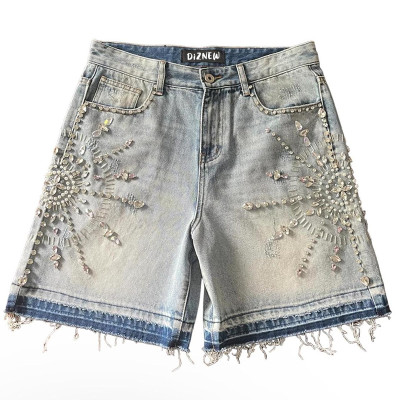
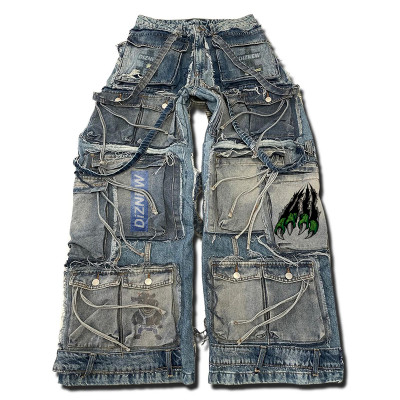
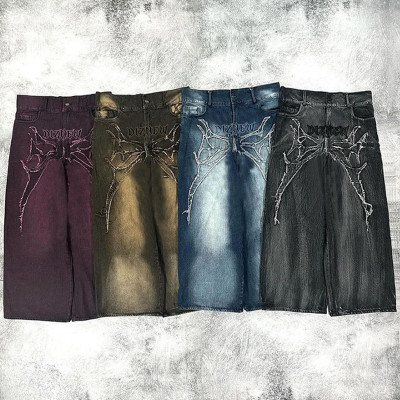
A baggy jean may need a completely different pattern balance. Stacked jeans depend heavily on inseam length, leg shape, and fabric behavior. Plus size jeans need grading that preserves proportion across sizes. Distressed jeans may pass through laser work, hand sanding, repair patches, grinding, washing, and finishing before they reach final inspection.
DiZNEW works within this type of Chinese denim manufacturing environment. With more than 20 years of denim development and production experience, the factory supports OEM and ODM projects ranging from jeans and denim jackets to shorts and shirts. Orders can begin from 30 pieces for suitable custom projects while production can also scale to orders above 10,000 pieces.
For a growing brand, that range can be more valuable than choosing a factory simply because it is located in a famous denim city.
Why Are Some Cities Better at Making Denim Than Others?
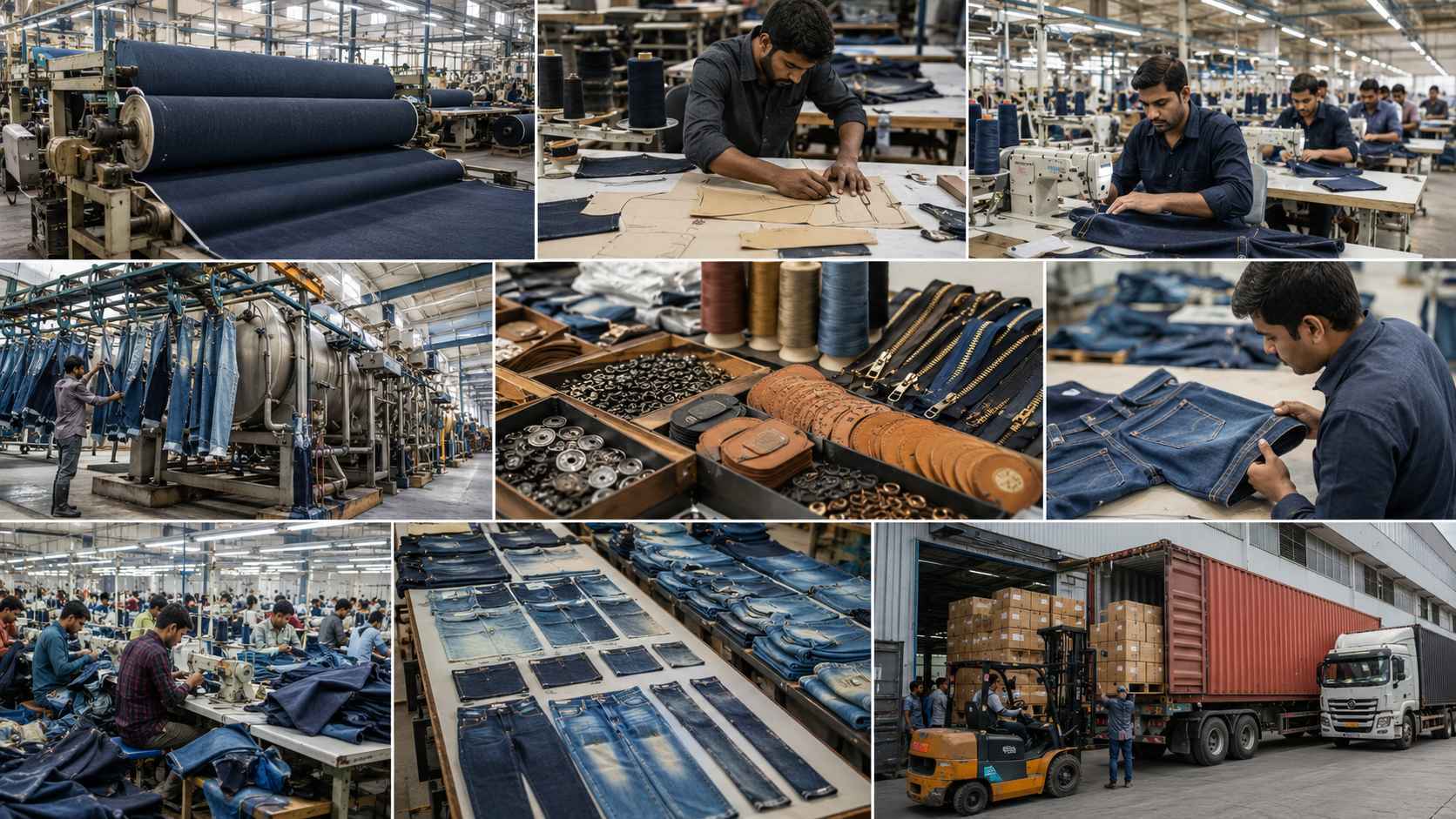
Strong denim cities usually develop around a complete network of fabric suppliers, pattern makers, sewing factories, washing facilities, trim suppliers, skilled technicians, and logistics companies. Denim manufacturing becomes much easier when these services are located close together because jeans often require more development and finishing work than a basic woven garment.
What Makes a City a Denim Manufacturing Hub?
A normal shirt may be largely defined by fabric, pattern, sewing, and finishing. Jeans often add several more variables.
Take one washed baggy jean. The designer approves the shape first. The factory chooses a fabric with the right weight and shrinkage. A sample is sewn. The wash changes the shade, hand feel, and measurements. The pattern may then need adjustment because the finished garment behaves differently after washing.
That cycle takes experience.
Why Is Denim Washing So Important?
Washing changes the identity of a jean.
Stone wash, enzyme wash, bleaching, tinting, whiskering, hand sanding, laser effects, grinding, and localized distressing can make two garments cut from similar denim look completely different.
It also creates risk. An aggressive wash can affect shrinkage, seam appearance, tensile strength, shade consistency, and final measurements.
This is one reason brands developing fashion denim should ask a supplier about washing capability early. A great sewing factory with limited wash development may still struggle with a heavily vintage, dirty washed, destroyed, or multi process jean.
Why Are Complex Denim Styles Harder to Manufacture?
Every added treatment creates another production variable.
Embroidery must be positioned correctly. Destroyed areas need reinforcement when the design requires it. Patches have to sit correctly after washing. Custom hardware must work with the fabric thickness. Laser artwork needs the right intensity. The final wash still has to match the approved sample.
For a boutique brand selling an $80, $150, or $250 jean, those details affect returns and repeat purchases. A beautiful Instagram product shot does not help when the production order arrives with inconsistent leg openings or three different wash shades.
Where Should Clothing Brands Manufacture Custom Denim Jeans?
Brands should choose a denim manufacturer according to product complexity, target price, minimum order quantity, development support, washing capability, quality standards, and production scale. A famous denim location can be helpful, but the factory’s ability to reproduce an approved sample consistently is usually more important for a commercial collection.
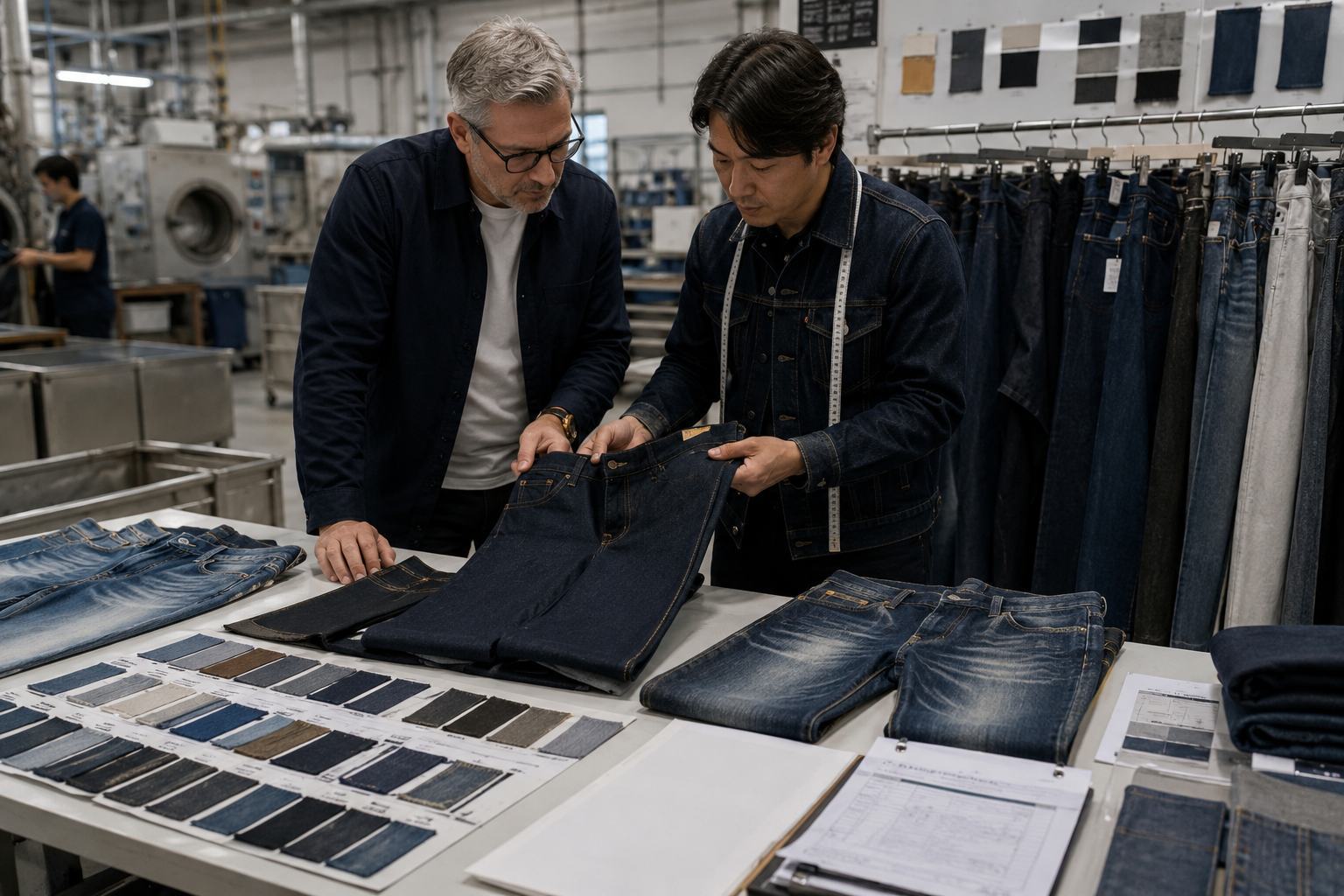
Where Can I Manufacture My Own Jeans?
Start with the product you actually want to sell.
If you want Japanese selvedge jeans with a strong heritage story, Japan may make sense. If you need 20,000 basic commercial jeans, you may compare large manufacturers in several Asian countries.
If you are an independent designer developing 50 to 300 pieces per style with custom washes, embroidery, distressing, unusual silhouettes, or your own labels and hardware, a flexible Chinese OEM or ODM denim factory can be a practical choice.
How Do I Choose a Denim Manufacturer?
Ask to see work that resembles your design.
Then look closely at sample development, pattern capability, washing experience, quality control, production capacity, and communication.
MOQ also matters. A factory designed only for 50,000 piece programs may give an emerging brand very little development attention. A tiny sample room may create an impressive prototype and still lack the capacity to manage a 10,000 piece repeat order.
The ideal supplier should fit where your brand is today and where it may be next year.
Is OEM or ODM Better for a Denim Brand?
OEM works well when your team already has detailed tech packs, measurements, fabric requirements, artwork, and construction instructions.
ODM becomes useful when you need help turning a sketch, reference image, concept, or early idea into a producible garment.
Many independent denim brands need a mixture of both. The designer may know exactly how the jean should look while still relying on the factory to recommend fabric weight, washing methods, construction changes, or practical ways to create the effect.
Should You Choose a Famous Denim City or the Right Denim Factory?
A city can give you access to a good industry. The factory still has to make your product.
That is the decision that ultimately affects fit, wash consistency, delivery, and whether your second production run looks like the sample you approved.
DiZNEW focuses on custom denim development for designers, online boutiques, growing fashion labels, and established brands. The factory can develop plus size jeans, baggy jeans, stacked jeans, straight jeans, selvedge jeans, skinny jeans, jogger jeans, denim jackets, denim shorts, denim shirts, and heavily customized denim products.
If you already have a tech pack, reference sample, sketch, or even an early product idea, send it to DiZNEW for evaluation. You can discuss fabric, fit, washing, customization, logo details, quantity, and target price before sampling starts.
Contact DiZNEW to request a custom denim quotation and turn your next denim design into a production ready product.
Sources
Japan National Tourism Organization on Kojima and Japanese denim
Okayama Prefecture Official Tourism Guide on Kojima Jeans Street
Levi Strauss & Co. historical records on the 1873 blue jean patent
Wrangler and Lee official brand histories
Guangzhou government information on the Xintang denim manufacturing cluster