Which Company Has the Longest Lasting Jeans?
As a designer, you obsess over creating the perfect pair of jeans. But you know that a great design is useless if the garment falls apart after a year of wear.
The longest-lasting jeans don't come from a single company. They come from specialist brands that use heavyweight selvedge denim, superior construction techniques, and reinforced hardware. Durability is a feature of craft, not a brand logo.
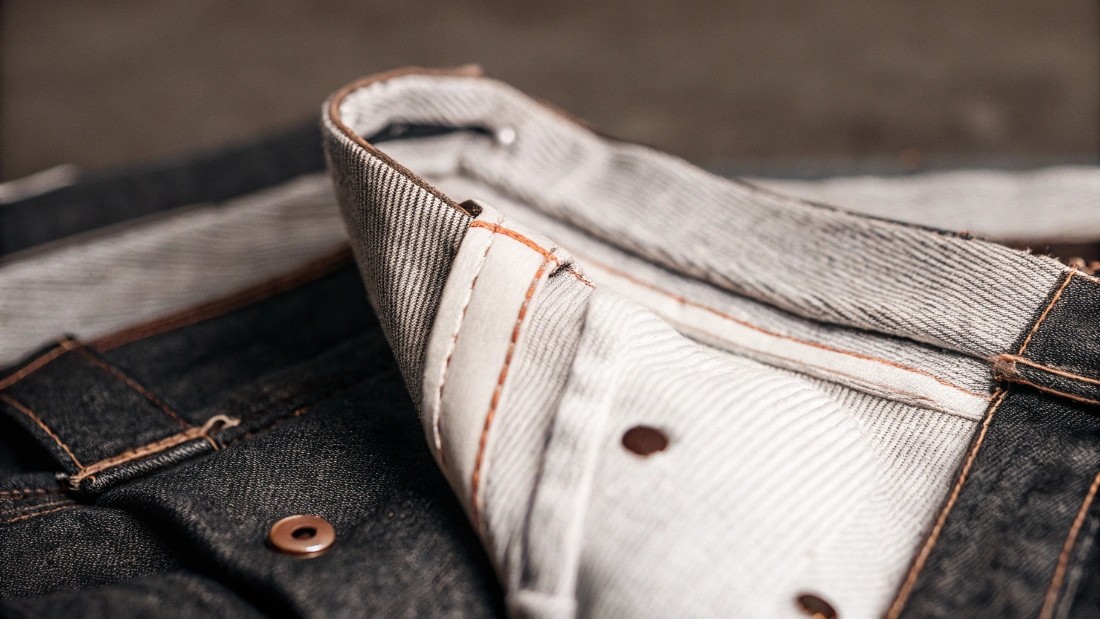
Dean, your insight is spot-on. For the past two decades, I've seen every type of denim come through my factory. The jeans that are built to last a decade, not just a season, always share the same DNA. They start with a heavyweight, shuttle-loomed selvedge fabric. The big, mass-market brands rarely use this because it's more expensive and slower to produce.
The real magic is happening in the smaller workshops and boutique brands you mentioned, like Kody Phillips or Maison 52. They aren't trying to produce a million pairs. They are trying to produce the best pair. It's a totally different philosophy, and it's one that's rooted in the materials and the construction methods, not the marketing budget.
Which Brand Has the Highest Quality Jeans?
You see luxury brands charging hundreds of dollars for jeans. You also see heritage brands with a cult following. It makes you wonder: what does "quality" really mean in the world of denim?
The highest quality jeans are not defined by a brand name or price tag. Quality is a measurable result of superior raw materials, meticulous construction, and authentic finishing techniques.
In my factory, "quality" isn't a feeling; it's a checklist. When I evaluate a pair of jeans, I'm not looking at the logo on the patch. I'm looking at the tangible details that tell me how it was made. It's a combination of factors that separates a good jean from a great one.
For a designer like you, understanding these physical attributes is the key to creating a product that truly stands apart. The best brands are the ones that are obsessed with getting every one of these details right, because they know that's where true, lasting quality comes from.
The Three Pillars of Denim Quality
| Pillar | What to Look For | Why It Matters |
| 1. Raw Materials | Long-staple cotton, selvedge denim, rope-dyed indigo. | Better cotton creates stronger yarn. Selvedge weaves are denser. Rope dyeing allows for better fading (patina). |
| 2. Construction | High stitch-count, felled inseams, chain-stitched hems, bar tacks, pocket lining material. | More stitches per inch mean stronger seams. Felled seams are far more durable than overlocked. Details show no corners were cut. |
| 3. Hardware & Finishing | Solid copper or steel rivets and buttons, thick leather patch. | Cheap, plated hardware will break or corrode. A sturdy leather patch will age with the denim, telling the story of the garment. |
What Is the Average Lifespan of a Jean?
Your clients expect their investment in a pair of your jeans to pay off. You need a realistic benchmark for durability to manage their expectations and to guide your own design choices.
The average lifespan of a standard, mass-market pair of jeans is 2-3 years with regular wear. A high-quality, heavyweight denim jean, if cared for properly, can last from 5 to 10 years.
This is a question I get all the time, and the answer always depends on three factors: fabric weight, fit, and care. A lightweight, high-stretch jean designed for comfort will almost always fail faster. The elastane fibers break down, and the thinner cotton is more prone to tearing, especially at stress points like the crotch and knees. On the other hand, a 14oz or heavier 100% cotton selvedge jean is a different beast entirely.
It starts off stiff, but it's built like armor. The tight weave resists abrasion, and the strong cotton fibers can handle years of stress. A super-tight fit will always put more strain on the seams and crotch, shortening the lifespan. And of course, frequent machine washing and high-heat drying will break down the cotton fibers much faster than occasional, gentle washing and air drying.
What Jeans Do Navy SEALs Wear?
You're designing for durability, so you look to the most demanding users in the world. Who makes jeans tough enough for an elite special operations unit like the Navy SEALs?
Navy SEALs don't have a standard-issue jean. When operating in civilian clothes, they choose brands based on function: durability, mobility, and a low-profile look. Brands known for ruggedness and stretch are popular.
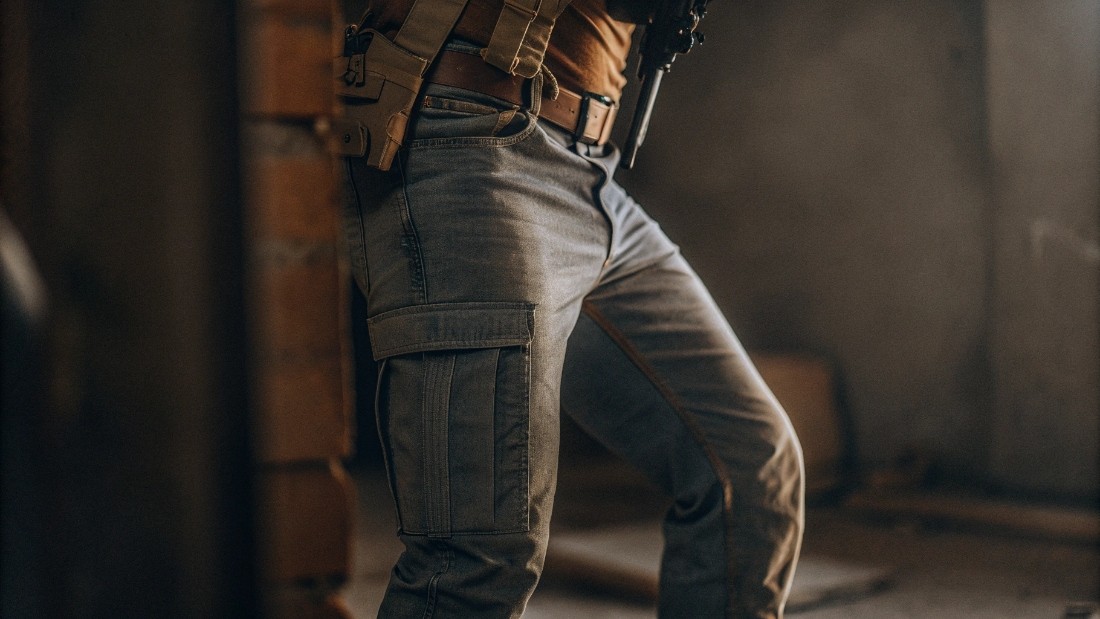
This is a fascinating question because it gets to the heart of performance denim. While there's no official "SEAL-issue" jean, members of these communities gravitate towards specific types of pants when they need to blend in. For years, the answer was often a classic, durable brand like Levi's. They are universally recognized and don't draw attention.
In my experience manufacturing for more technical brands, I've seen the demand shift. The modern operator looks for a jean that incorporates performance features without looking overtly "tactical." This means a durable, mid-weight denim, often with a small amount of stretch (like 2%) for mobility. They need a gusseted crotch for a full range of motion and pockets that are placed for easy access. They are choosing jeans not based on a fashion brand, but on a specific set of functional requirements.
Do More Expensive Jeans Last Longer?
This is the ultimate question for both you as a designer and for your customer. Is a $300 pair of jeans really ten times more durable than a $30 pair?
Yes, more expensive jeans often last longer, but only up to a point. The extra cost pays for superior materials and construction, which directly increases durability. However, beyond a certain price, you're paying for brand name and marketing.
Here’s the factory-floor perspective on cost. There is a very real price difference between cheap, mass-produced denim and high-end selvedge fabric. It's not a small gap. The cost of labor for skilled sewers who can execute complex stitches like a felled seam is also much higher than for a simple overlock stitch. So, the jump from a $30 fast-fashion jean to a $150-$250 craft jean is absolutely reflected in the physical product.
You are paying for a jean that is objectively stronger and made from better parts. Where it gets complicated is in the luxury market. When you see a jean for $500 or $1000, the price increase is no longer about a massive leap in durability. At that point, you are paying for the designer label, the specific wash, the marketing campaign, and the retail experience. The sweet spot for pure, functional durability is usually in that craft-brand range.
Conclusion
The longest-lasting jeans come from makers who prioritize craft over mass production. The key is heavyweight selvedge fabric, meticulous construction, and a commitment to building a garment that endures.
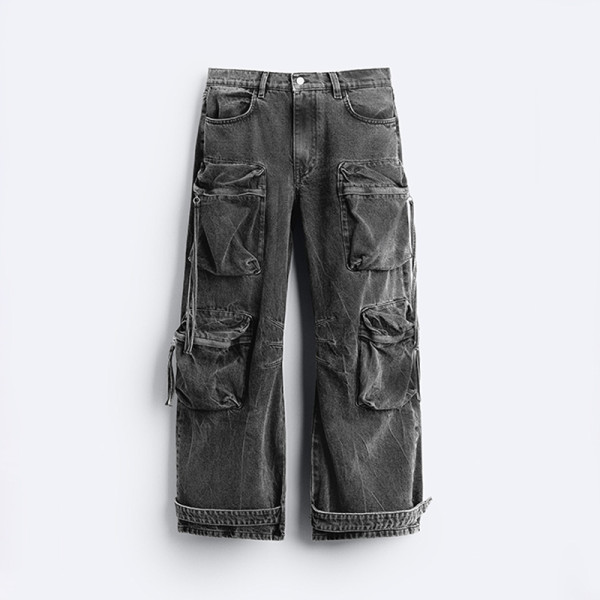
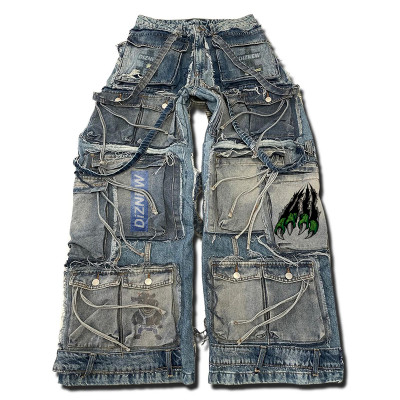
Custom cargo pants with vintage washed denim, oversized pockets & rugged stitching for a bold high-street style.
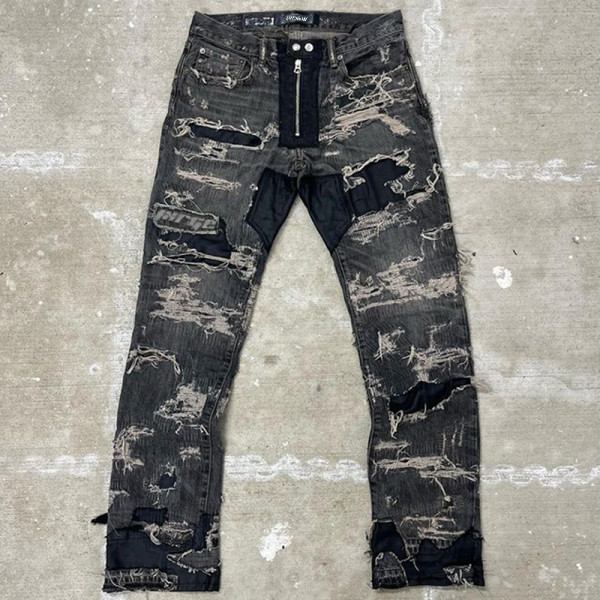
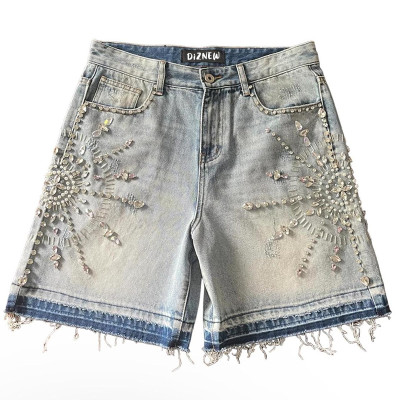
Custom distressed denim with embroidered stitching patches, raw fraying & zipper details. Perfect for high-street fashion.
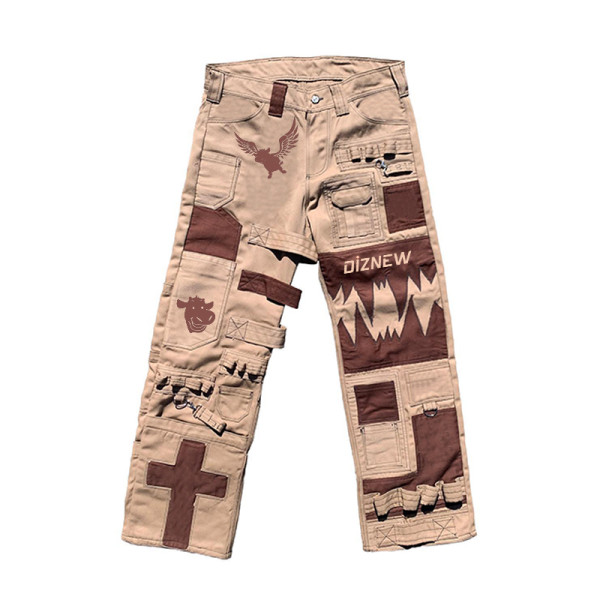
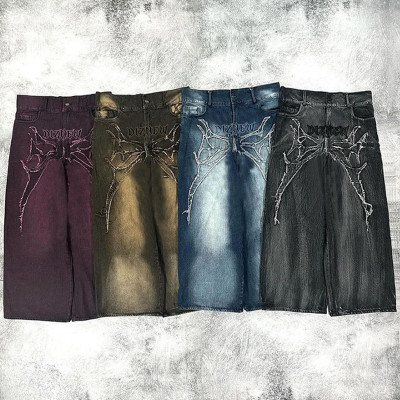
Embroidered patch cargo pants with bold graphics, multi-pocket design & premium craftsmanship. Perfect for streetwear brands.
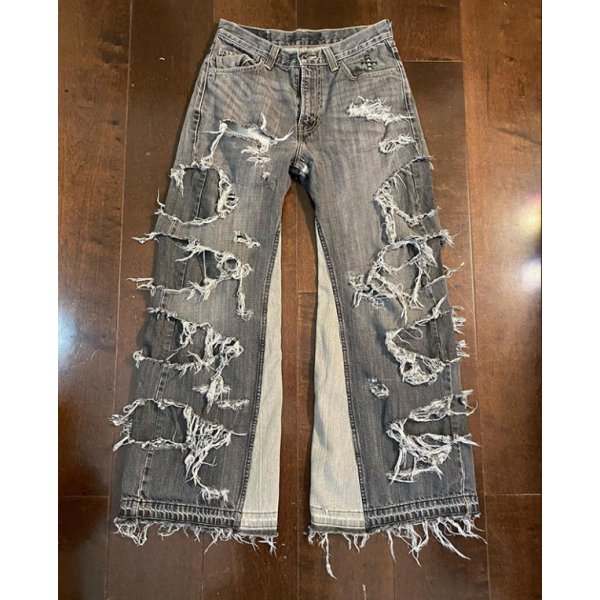
Custom black distressed denim with exaggerated rips and frayed edges. A bold statement piece for luxury boutiques & designers.