Where Are Old Navy Jeans Manufactured?
Consumers today don’t just ask “Where are Old Navy jeans manufactured?”—they want to know about sustainability practices, ethical labor standards, and the exact origin of their favorite straight-fit or skinny jeans. In an era of conscious consumption, transparency is king.
Old Navy sources its denim across several countries, including China, Vietnam, Bangladesh, Mexico, and Nicaragua. In the U.S., small-scale production occurs in Los Angeles and North Carolina for premium or limited-edition lines. The brand balances cost-efficiency, local expertise, and compliance with environmental and ethical standards to deliver quality jeans at an accessible price point.
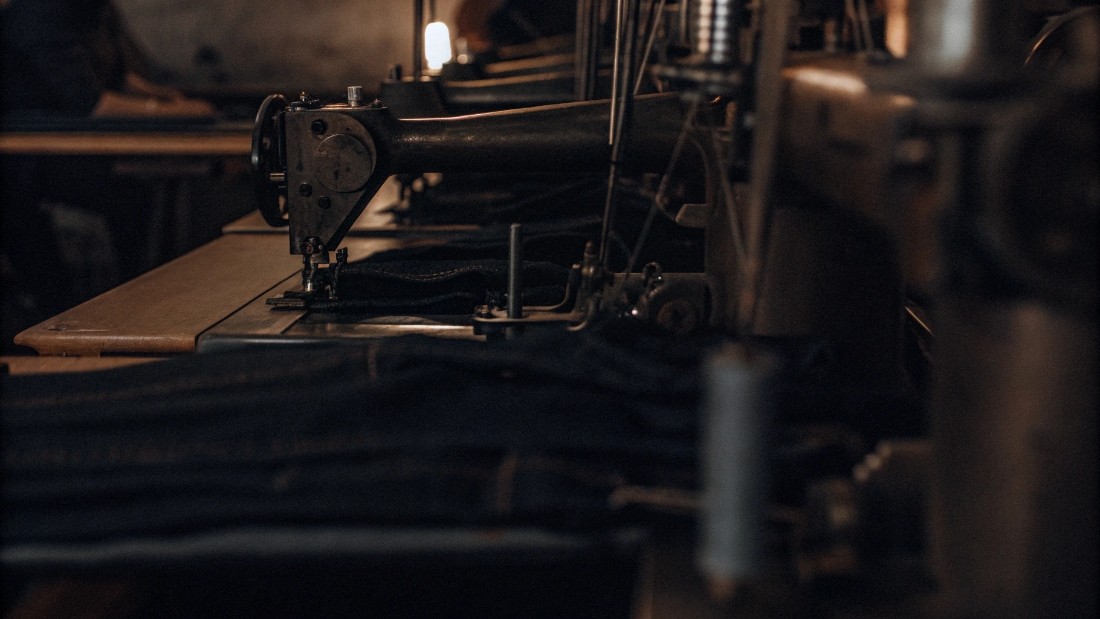
Have you ever traced the journey of your jeans from cotton field to fitting room? Imagine walking through a bustling denim factory in Hanoi or seeing a lab in Los Angeles where laser-finishing machines soften denim for that “worn-in” look.
Stick around—by the end of this guide you’ll understand why Old Navy chooses each location, how they ensure quality, and how you can verify the origin of your next pair.
Where Are Old Navy Jeans Manufactured Worldwide and in the USA?
Old Navy manufactures denim in China, Vietnam, Bangladesh, Mexico, and Nicaragua. A limited portion of premium or special-release jeans are cut and sewn in U.S. facilities in Los Angeles and North Carolina. Gender-specific lines for men and women often share the same factories, though some specialized fits—like plus sizes—may be assigned to certain sites. Other bottoms, such as chinos or joggers, generally follow similar sourcing patterns.
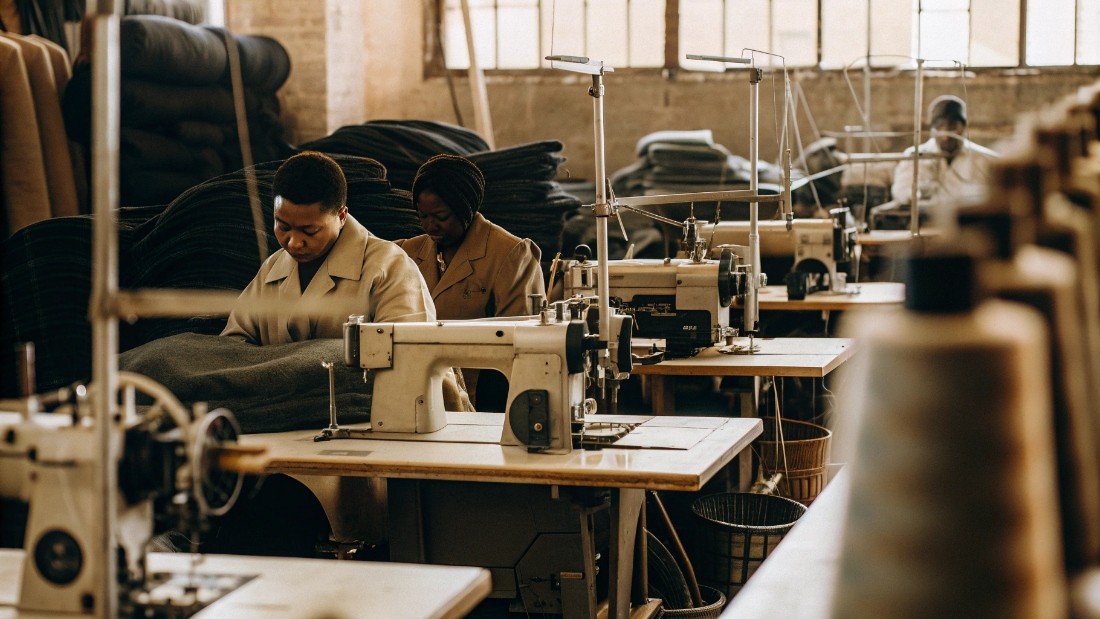
Old Navy operates under a global sourcing strategy that prioritizes a balance between cost, speed, and compliance. Key manufacturing countries:
China and Vietnam: These nations account for approximately 40% of Old Navy’s denim output. Their mature textile industries offer competitive labor costs, established supply chains for cotton and synthetic blends, and experienced technicians for complex washes.
Bangladesh: Known for its low-cost labor, Bangladesh has grown beyond basic garment assembly to handle mid-tier denim production. It’s especially prominent in producing baggy and straight-fit styles.
Mexico and Nicaragua: Nearshoring to North America reduces transit times and import tariffs. Mexico produces around 15% of Old Navy’s denim, focusing on styles requiring quick turnaround and small-batch runs. Nicaragua, at a smaller scale, often handles special orders or “quick ship” items.
U.S. facilities:Old Navy maintains small workshops in Los Angeles and North Carolina, accounting for roughly 5% of its jeans. These plants primarily handle high-price-point and designer-collaboration lines. Local production allows for tighter quality control, rapid prototyping, and “Made in USA” labeling—an appealing factor for certain consumers.
Gender and style assignments:
While general lines for men’s and women’s jeans can be made in any approved factory, plus sizes or specialty cuts like stacked jeans may be concentrated in facilities with the necessary pattern-making expertise and machinery. Jogger jeans, with elasticized cuffs and waistbands, also require specialized equipment often found in Vietnam and Bangladesh.
Comparing with other bottoms:
Old Navy’s chino pants, jogger sweatpants, and shorts often share the same hubs as its denim. However, synthetic jersey blends (used in joggers) might be sourced from different suppliers than 100% cotton denim mills. Regardless, all partner factories must meet Old Navy’s global code of conduct, covering both jeans and non-denim garments.
This diversified footprint allows Old Navy to keep prices low while retaining flexibility. But it also raises questions about oversight—topics we’ll explore in the next section.
Why Does Old Navy Choose These Manufacturing Locations?
Old Navy’s site selection balances labor costs, technical expertise, logistics, and trade agreements. Low-cost countries like Bangladesh and Vietnam help maintain affordable prices, while Mexico and the U.S. enable faster restocks and tariff advantages under USMCA. Strategic diversification minimizes risk from regional disruptions and leverages specialized skills for complex denim finishes and fit profiles.
Cost Competitiveness
At the core of Old Navy’s sourcing strategy is cost efficiency. Labor rates in Bangladesh (around $95–$110 per month) and Vietnam ($145–$165 per month) enable production of a basic pair of jeans at a fraction of U.S. or Western European wages. But Old Navy doesn’t chase the lowest bidder exclusively—they conduct weighted evaluations that factor in productivity rates, yield (fabric waste), and total landed cost, which includes shipping and tariffs.
Technical Expertise and Capacity
Denim finishing is an art requiring specialized equipment for stone washing, enzyme treatments, laser distressing, and ozoning. China and Vietnam boast a dense network of wash houses and R&D centers that can handle high-volume runs and complex “worn-in” effects. Nicaragua’s factories, while smaller, excel in small-batch artisanal finishes—a perfect fit for limited-edition releases.
Logistics and Lead Time
Fast fashion demands turnaround times of 6–10 weeks from order to delivery. Factories in Mexico and Nicaragua can ship overland, reducing ocean freight delays and customs clearance times. This nearshoring capability is critical for replenishment orders and seasonal adjustments. Conversely, Asian shipments take 8–12 weeks but benefit from economies of scale.
Trade Agreements and Tariffs
Under the USMCA (formerly NAFTA), jeans assembled in Mexico receive lower import duties into the U.S., giving Old Navy an edge on price and speed. Similarly, trade agreements with Vietnam (EVFTA) and Bangladesh (GSP privileges) lower tariff barriers. Conversely, political tensions or new tariffs (e.g., U.S.–China) prompt rapid shifts in sourcing volumes to more favorable regions.
Risk Mitigation and Diversification
Relying on multiple geographies hedges against natural disasters, political unrest, or pandemics. For instance, the 2020 Bangladesh lockdown saw a temporary pivot toward Vietnamese and Mexican facilities. Maintaining relationships with 100+ factories allows Old Navy to reassign production orders quickly, ensuring shelves stay stocked and e-commerce backorders remain minimal.
Social Compliance and Brand Reputation
While low costs are crucial, Old Navy places equal weight on compliance with its Vendor Code of Conduct. Factories undergo annual social audits (SA8000 or equivalent), and major hubs are subject to unannounced inspections by third-party auditors. Ethical breaches can trigger suspension or termination, ensuring that cost savings don’t come at the expense of worker welfare.
How Does Old Navy Maintain Quality, Styles, and Consistency?
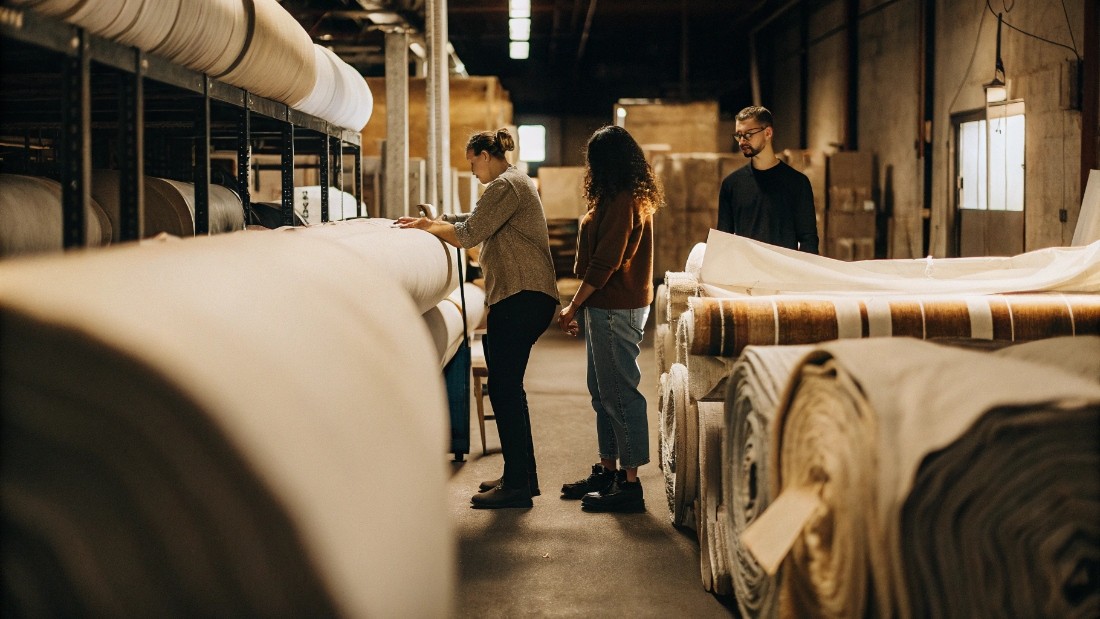
Old Navy enforces quality control through multi-stage inspections: initial fabric roll checks, in-line sewing audits, pre-shipment reviews, and post-delivery feedback loops. Style numbers on garment labels help trace each batch to a specific factory and production run. Advanced fit labs, digital prototyping, and rigorous wear-testing ensure every pair—from skinny to baggy—meets the brand’s consistency standards.
Quality Assurance Protocols
1. Fabric Inspection: Before cutting, every roll of denim undergoes a 4-point inspection (testing for colorfastness, tensile strength, weight consistency, and defects per AQL 2.5 standards).
2. In-Line Audits: Factory supervisors and Old Navy QC teams conduct daily spot checks—verifying seam strength, stitch density (10–12 stitches per inch for main seams), zipper quality, and hardware alignment.
3. Pre-Shipment Inspection (PSI): A third-party auditor reviews a randomized sample (5% of total output) to confirm compliance with specifications (size tolerances ±0.5 cm, adequate wash uniformity, and correct labeling).
4. Post-Delivery Feedback: Retail and e-commerce returns data feed back into production adjustments, highlighting recurrent fit or durability issues.
Style Number Traceability
Every garment bears a unique style number (e.g., “ODN-478293”), coupled with a factory code and batch identifier. Scanning this barcode in Old Navy’s ERP system instantly reveals the manufacturing date, location, machine settings, and wash formula. This traceability accelerates root-cause analysis when defects surface, minimizing recall scope and cost.
Fit Labs and Prototyping
Old Navy invests in digital fit technology—3D body scanning and virtual sampling reduce physical prototyping cycles. These labs, primarily in San Francisco and Guangzhou, simulate fabric drape and stretch to refine patterns before full production. For plus-size or maternity denim lines, they recruit real models for wear-testing and feedback.
Research & Development in Wash Finishes
Complex washes—like “vintage whiskers” and “superstone brightening”—require precise chemical formulas and timing controls. Gifted wash technicians in China and Vietnam pilot new treatments in small batches. Successful finishes graduate to scaled runs, maintaining consistent shade and hand-feel across millions of pairs annually.
Consistency Across Regions
To ensure that a men’s straight jean from Vietnam feels identical to one from Mexico, Old Navy distributes standardized wash recipes and sewing protocols. Cross-factory benchmarking sessions, held quarterly, facilitate best-practice sharing. Key performance indicators (KPIs) such as defect rates (<2%), on-time delivery (>95%), and return rates (<3%) keep all partners aligned.
Innovations in Quality
Recently, Old Navy trialed AI-powered cameras on sewing lines to detect skipped stitches and color deviations in real time. Early results show a 20% reduction in defects. Combined with lean manufacturing principles, these tech investments fortify Old Navy’s commitment to delivering reliable denim.
What Sustainability and Ethical Standards Does Old Navy Follow?
Old Navy’s sustainability efforts include water-saving laser and ozone treatments that cut water use by up to 90%, recycling 95% of wash effluent, and using 100% Better Cotton by 2025. Their Ethical Trade program enforces living wages, limits overtime, and mandates safety improvements. Annual transparency reports and third-party audits validate progress toward environmental goals and worker welfare.
Water and Chemical Management
Denim finishing traditionally demands 50–100 liters of water per jean. To combat this, Old Navy deployed laser abrasion technology and ozone bleaching, slashing water consumption by up to 90%. At its partner wash houses, closed-loop systems capture and treat 95% of wash effluent, recycling it for non-critical processes. A dedicated Water Stewardship team audits each facility’s water footprint, setting reduction targets year-over-year.
Sustainable Materials and Sourcing
Old Navy joined the Better Cotton Initiative (BCI) in 2018, sourcing 30% of its cotton from BCI-certified farms in 2021 and aiming for 100% by 2025. BCI practices emphasize soil health, reduced chemical usage, and farmers’ income growth. Additionally, Old Navy experiments with recycled fibers—up to 20% recycled cotton or polyester blends in select denim lines—to divert textile waste from landfills.
Chemical Safety and Detox Commitment
Under its ChemForward program, Old Navy maps all chemicals used in manufacturing, phasing out hazardous substances per the ZDHC (Zero Discharge of Hazardous Chemicals) roadmap. Monthly testing ensures effluent parameters meet local and global environmental standards, protecting water bodies near factories in Bangladesh, Vietnam, and Mexico.
Ethical Labor Practices
Old Navy’s Ethical Trade team enforces a code of conduct that covers forced labor, underage work, discrimination, and freedom of association. Factories must pay wages at or above local living wage benchmarks and limit overtime to 12 hours per week. Unannounced audits by third-party firms like SGS or Intertek verify compliance, and critical non-conformances require immediate corrective-action plans.
Transparency and Reporting
Each year, Old Navy publishes a Sustainability & Ethical Sourcing report detailing progress on environmental targets, audit results, and remediation cases. Interactive dashboards on their corporate website reveal factory lists, country-level performance metrics, and water usage statistics. This transparency empowers consumers, investors, and NGOs to hold the brand accountable.
Innovation and Community Impact
Beyond minimum standards, Old Navy invests in community programs: rainwater harvesting projects in Nicaraguan villages, women’s vocational training in Bangladesh, and health and safety upgrades in Mexican workshops. These initiatives align with the UN Sustainable Development Goals, particularly Goal 6 (Clean Water), Goal 8 (Decent Work), and Goal 12 (Responsible Consumption).
How Can Shoppers Verify Origin and Make Informed Purchases?
Consumers can check garment labels for country-of-origin tags, style numbers, and factory codes. Old Navy’s website and mobile app sometimes list manufacturing locations per product. Third-party tools like the Good On You app and Fashion Transparency Index also track brand supply chains. For deeper insights, review Old Navy’s annual sustainability report or contact customer service for specific factory details.
Reading Labels and Tags
Every Old Navy jean features a label sewn into the waist or pocket lining specifying “Made in [Country]” along with a style number and factory code (e.g., “VN-1819”). These codes can be decoded via Old Navy’s customer service or online resources—enter the style number on the brand’s website to see available origin information.
Online Resources and Mobile Apps
Old Navy’s e-commerce platform sometimes displays manufacturing countries in the product description. Third-party apps like Good On You and SourceMap aggregate brand-level supply chain data, rating ethical and environmental performance. The Fashion Revolution’s Transparency Index also scores brands on disclosure—Old Navy ranks in the mid-tier, with plans to expand its factory list.
Sustainability Reports and Dashboards
Old Navy’s parent company, Gap Inc., publishes an annual “Social Impact & Sustainability Report,” detailing factories by region, audit outcomes, and environmental metrics. Interactive dashboards allow you to filter by country, facility name, and product category—perfect for data-driven shoppers.
Customer Service & Inquiries
For bespoke requests—like sourcing vegan or organic denim—you can email Old Navy’s consumer care team with your style number and inquiry. Representatives can often provide the exact factory address, certifications held, and recommendations for greener alternatives.
Empowering Conscious Choices
Beyond verifying origin, shoppers can look for certifications:
• BCI logo for sustainable cotton
• OEKO-TEX® for chemical safety
• SA8000 or WRAP for social compliance
By combining label checks with digital tools and brand reports, you become an informed consumer who not only knows “where are Old Navy jeans made,” but also understands the brand’s environmental footprint and labor practices.
Conclusion and Call to Action
Now that you’ve unearthed the full story behind Old Navy’s global denim network—from the mills of Xinjiang to the wash houses of León—you’re equipped to make informed purchases and advocate for greater transparency. If you’re a designer, boutique owner, or online influencer seeking custom denim solutions, let DiZNEW be your partner.
With over 20 years of expertise in deep customization—covering plus sizes, baggy, skinny, selvedge, jogger jeans, and more—DiZNEW delivers MOQ as low as 30 pieces and scalable runs up to 10,000. We’ll source the perfect denim, refine intricate washes, and integrate your logo under OEM or ODM terms. Contact DiZNEW today to transform your design vision into premium denim products that stand out—ethically, sustainably, and flawlessly tailored.
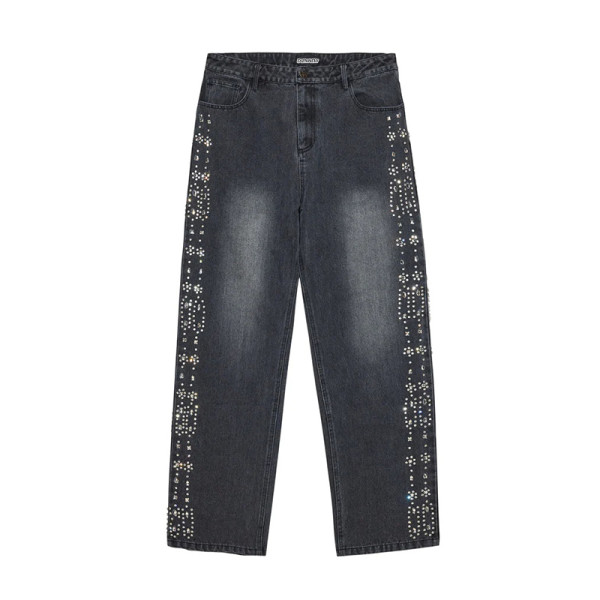
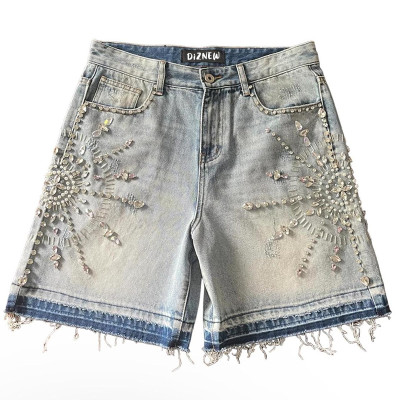
Discover premium DiZNEW denim jeans with decorative studs for a sparkling, stylish look. Order today!
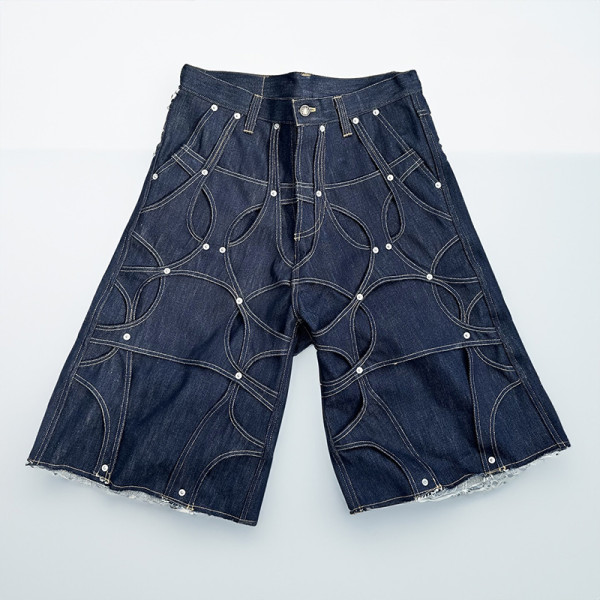
These designer denim shorts for men feature intricate decorative stitching and rivet details, perfect for streetwear fashion. The wide-leg silhouette adds a bold look, ideal for trendsetters.
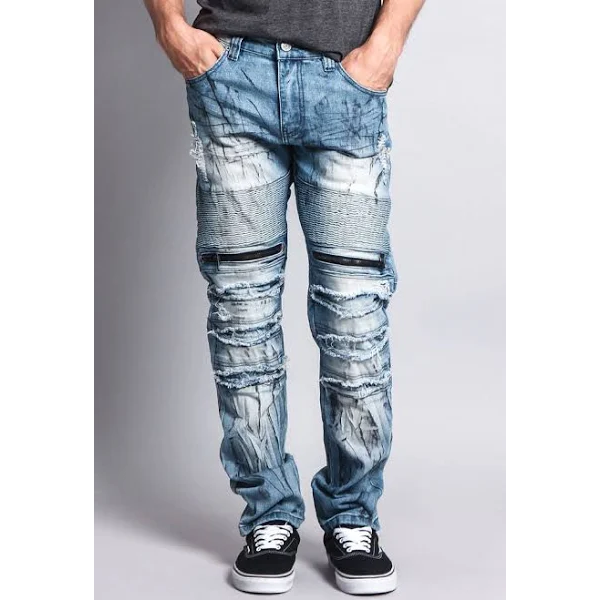
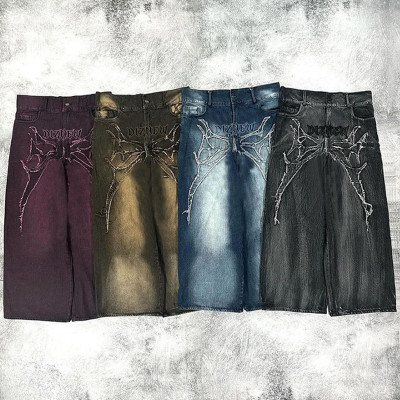
OEM & ODM Drop Crotch Jeans for Women - Tailored denim solutions designed for brands seeking unique styles and quality.
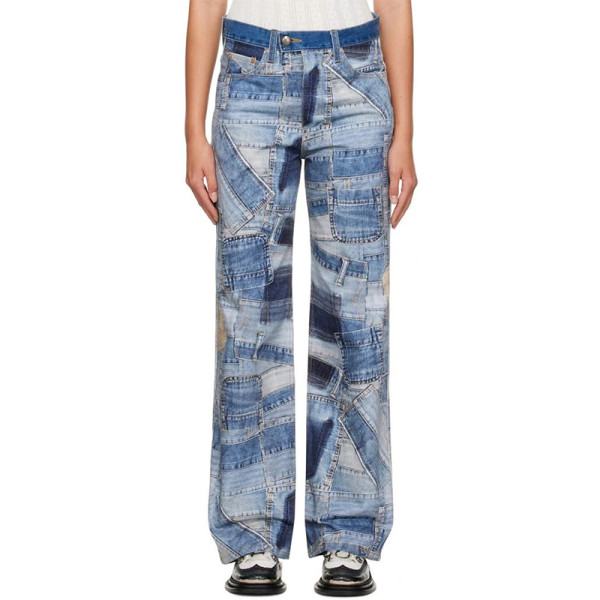
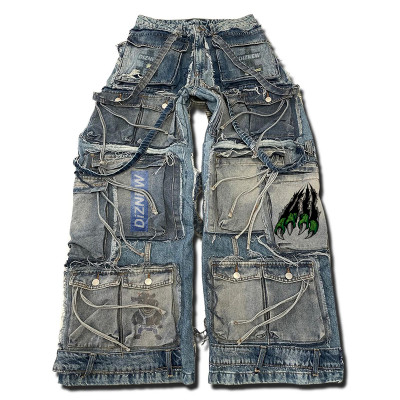
Elevate your collection with our OEM/ODM Custom Digital Printing Blue Patchwork Jeans, perfect for brands seeking unique styles in bulk.