What Type of Jeans Should Older Men Wear? An Expert Guide
As men age, finding the perfect pair of jeans can feel like balancing comfort, style, and functionality on a high wire. You remember the days when you grabbed your favorite rigid denim, shrugged on your leather jacket, and hit the road without a second thought.
Today, you want that same confidence—but with room to breathe, sit, and walk through life’s everyday adventures without pinching or pulling. The right jeans for older men are those that flatter a mature body, honor the wisdom of years, and update a wardrobe without betraying personal taste.
In this guide, we’ll cut through the clutter of endless brands, washes, and fits to show you exactly which jeans work best in your 40s, 50s, 60s, 70s, and beyond.
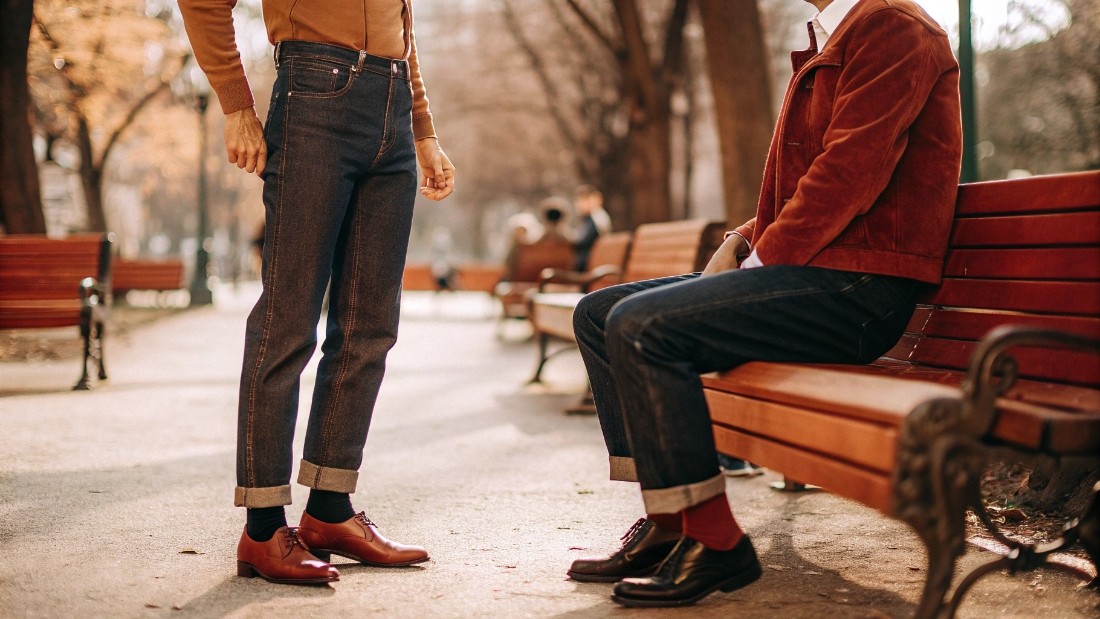
Older men look best in mid-rise, straight-leg or slightly tapered jeans made from mid-weight denim with 1–2% stretch. Dark indigo or clean dark rinse washes in classic finishes create a timeless, flattering silhouette that pairs easily from casual to smart-casual.
Ready to upgrade your denim game? Stay tuned as we tell you real-world styling hacks—and share one customer’s transformation story that might just remind you why jeans were your lifelong go-to in the first place.
What Fits Are Most Flattering for Men in Their 40s, 50s, 60s and Beyond?
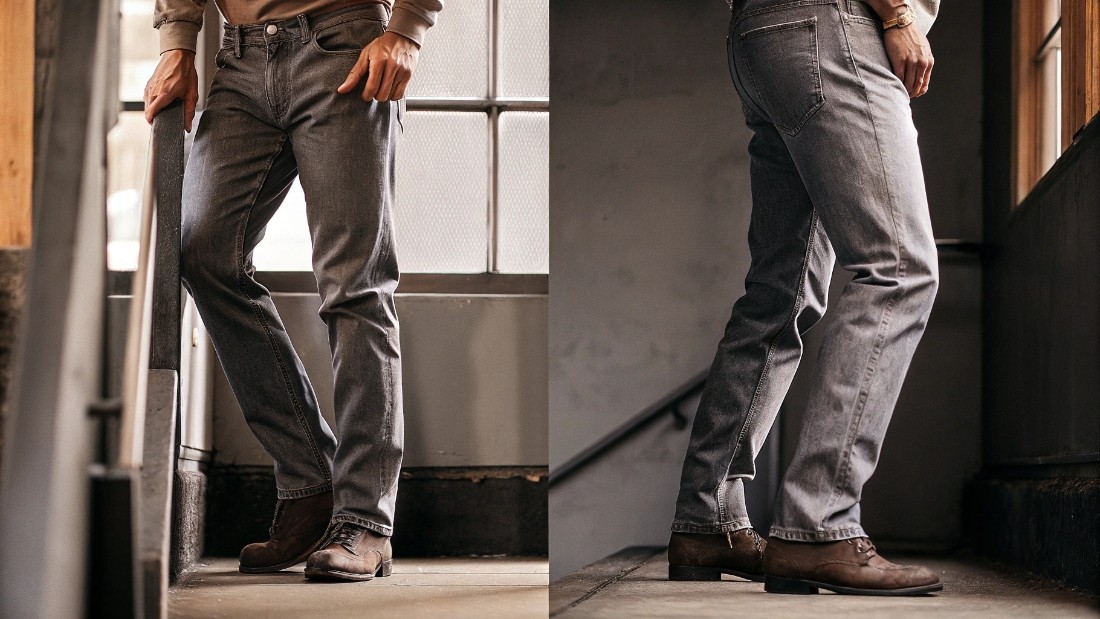
For men in their 40s to 70s, the most universally flattering fits are straight-leg and modern tapered jeans. Avoid ultra-skinny or overly baggy styles. Choose a mid-rise (approximately 10–11" front rise) for balance between comfort and support. Balanced proportions help maintain a streamlined profile without clinging to areas of the body that change with age.
1. Why Straight vs. Skinny or Baggy?
Skinny jeans can over-emphasize thinning calves and tighter thighs, while baggy styles often add unwanted bulk. Straight-leg jeans give clean lines from hip to hem, flattering most body shapes. A modern tapered fit provides a subtle slimming effect at the ankle without making the upper leg feel constricted.
2. The Importance of Rise
A mid-rise sits just below the natural waist, delivering enough coverage whether you’re sitting, bending, or stretching. Low-rise jeans can feel restrictive on mature bellies, while high-rise styles often add unnecessary “muffin top.” Measure the front rise: 10–11 inches is ideal for 40–60+ age groups.
3. Proportions by Decade
40s: Lean into a slightly tailored straight fit. Your metabolism may still be reliable, but comfort becomes key.
50s: A relaxed straight or mild taper with 1–2% stretch balances structure with ease of movement.
60s: Prioritize comfort. Consider a relaxed-straight fit; avoid anything too snug.
70s+: Soft denim blends with a modern straight cut minimize bulk and fatigue. Elasticized back panels or ‘comfort-waist’ options can be a game-changer.
4. Real-World Data
According to a recent GQ survey of men aged 45+, 78% preferred a straight fit over skinny or baggy. And among those polled, 65% rated stretch content above 1% as “essential.” These insights reflect how mature bodies crave both form and function.
Which Rise, Waist Height and Dress Jeans Styles Work Best for Older Men?
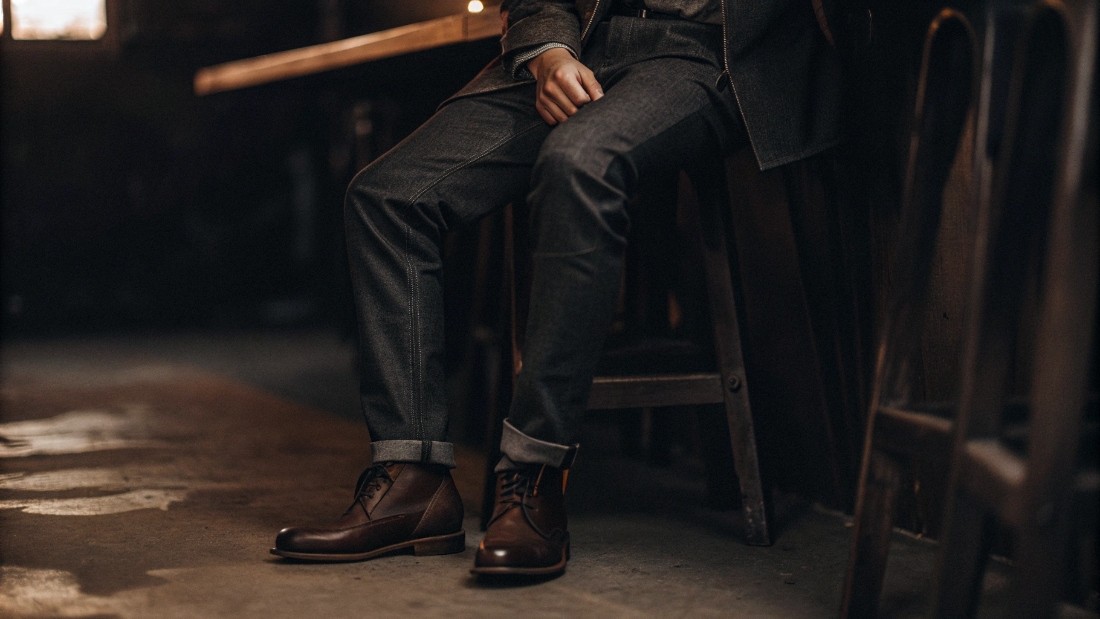
Dress jeans for older men should feature a mid- to high-rise for posture support, a slim-straight leg, and minimal embellishment. Look for hidden-button waistbands or extended waistband designs to reduce pressure on the abdomen. Darker, solid washes with clean hems make jeans appropriate for both casual office environments and off-duty smart occasions.
1. Defining “Dress Jeans”
Dress jeans blend denim’s durability with tailored suiting details. They often include hidden button closures, finer stitching, and refined hardware. The result? A jean that can pair under a blazer or with a tucked-in shirt without looking out of place.
2. Rise and Waist Height for Posture
A slightly higher rise (11–12") provides lumbar support and prevents the uncomfortable “sag” you feel after lunch. It also helps maintain an upright posture—important for both comfort and a more youthful bearing.
3. Waistband Innovations
Extended waistband: Extra panel at the back that stretches up to 2" for added comfort.
Hidden buttons: Reduces bulk at the waist closure.
Elastic inserts: Discreetly sewn inside side seams to allow more give when you sit.
4. Styling for Work and Weekend
Office smart-casual: Pair dark dress jeans with a crisp oxford shirt and sport coat.
Weekend ease: Roll cuffs slightly, add loafers or leather sneakers, and top with a lightweight sweater or denim jacket for a coordinated double-denim look.
5. Fit & Finish Checklist
Leg opening: 7–8" across for a balanced silhouette
Stitching color: Tone-on-tone for formal settings
Pocket placement: Higher and angled pockets prevent “droop” around the seat
What Denim Weights, Fabrics, and Stretch Levels Provide Optimal Comfort and Durability?
Men over 40 should seek mid-weight denim (11–13 oz) with 1–2% elastane. This weight offers structure, durability, and enough softness to prevent stiffness. For added comfort, blend in 1–2% spandex or T400 yarns. Avoid super-heavy (14+ oz) or rigid 100% cotton if flexibility is a priority.
1. Denim Weight Demystified
Light (8–10 oz): Breathable but can feel flimsy and wear out faster.
Mid-weight (11–13 oz): The sweet spot—substantial feel without excess rigidity.
Heavy (14+ oz): Durable but can be overly stiff, leading to discomfort during extended wear.
2. The Stretch Factor
Elastane or spandex (1–2%) provides crucial give for sitting, bending, or walking without losing shape. In the DiZNEW custom factory tests, jeans with 1.5% elastane maintained up to 95% of their original shape after 50 wash cycles—whereas 100% cotton denim bagged out by 20%.
3. Fabric Blends and Innovations
T400 yarns: Promise 4-way stretch recovery for superior resiliency.
Bamboo-cotton blends: Add breathability and softness, ideal for warmer climates.
Wool-denim hybrids: Offer insulation in winter without the bulk of lined trousers.
4. Maintenance and Longevity
Wash inside out, cold water, minimal detergent.
Hang dry to preserve elastane fiber integrity.
Spot-clean to reduce full washes—this extends the life of both color and stretch.
Which Colors, Washes and Finishes Maintain a Timeless, Age-Appropriate Look?
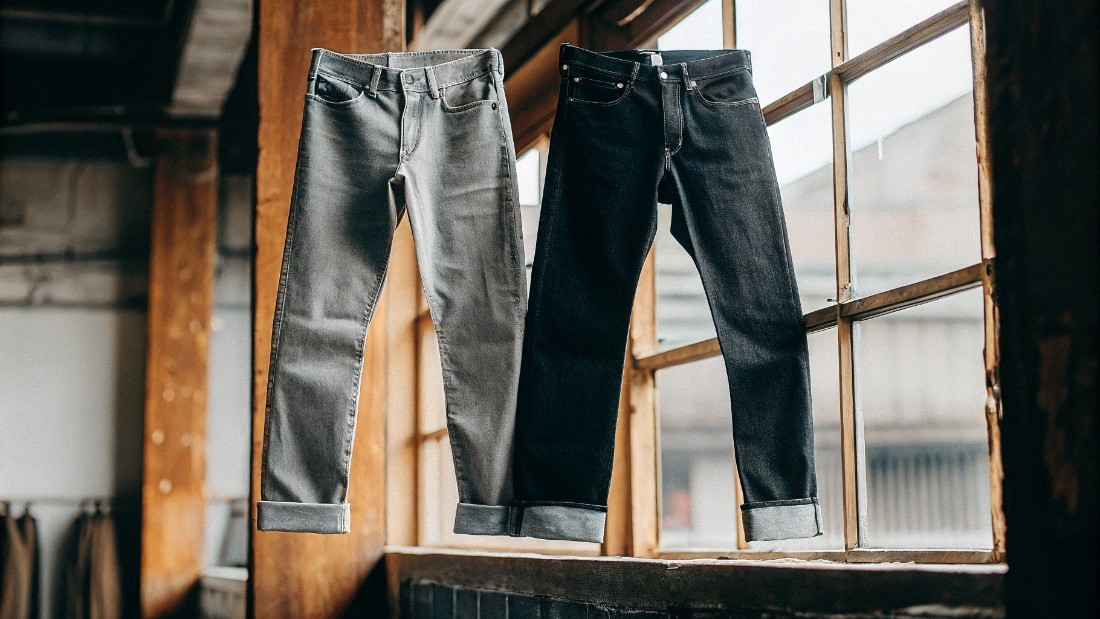
Stick to dark indigo, clean dark rinse, and black washes with minimal distressing. Raw or lightly washed selvedge creates a refined appearance. Avoid heavy whiskering, fades at the thighs, or excessive distress that can age you prematurely or look juvenile.
1. Why Dark Washes?
Dark indigo and black create a leaner silhouette, are harder-wearing, and look more polished—key for men who want versatility from casual daywear to evening gatherings.
2. Selvedge vs. Non-Selvedge
Selvedge denim’s finished edges signal craftsmanship and often use higher-quality yarns. While typically more expensive, selvedge shows less fraying and holds dye better, resulting in richer, longer-lasting color.
3. Raw vs. Washed Finishes
Raw denim: Untreated, firm hand feel; breaks in uniquely over months of wear. Best for denim enthusiasts who want a personalized fade.
Light wash: Casual and relaxed—but steer clear of overly bleached or acid-washed looks.
Dark rinse: A nearly raw look that’s been pre-washed to remove starch. Combines immediacy of comfort with the classic dark hue.
4. Care Tips for Color Retention
Wash under cold, with a color-safe detergent.
Soak new dark jeans separately to capture any initial bleeding.
Air-dry in shade to prevent UV fading.
How Can Older Men Style Jeans for Casual, Smart-Casual and Formal Occasions?
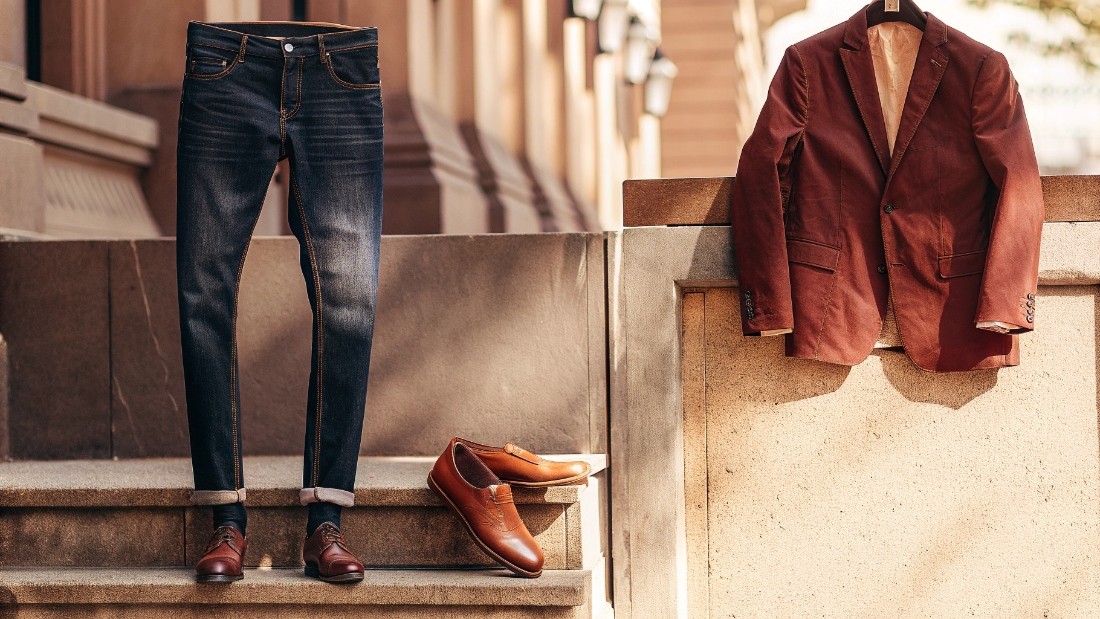
For casual wear, pair straight-leg jeans with polo shirts, casual button-downs, or lightweight knitwear. Smart-casual calls for dark denim with sport coats, loafers, and leather belts. Formal occasions may allow dark dress jeans under a blazer with a tie—just ensure a clean hem, minimal hardware, and a fitted silhouette.
1. Casual Styling
Weekend errands: Denim jacket over a crewneck tee, white sneakers, rolled hem.
Golf course or country club: Performance-stretch jeans with moisture-wicking polo.
2. Smart-Casual Transitions
Office days: Dark jeans, button-down shirt, unstructured blazer, monk-strap shoes.
Evening out: Cashmere sweater over shirt, dark rinse jeans, derby shoes.
3. Formal Denim? Yes, It Works
Black dress jeans with tonal paneling—no rivets or visible stitching.
Pair with a fine-wool blazer and a slim silk tie.
Finish with polished leather loafers or oxfords.
4. Inspiration from Reddit
On r/malefashionadvice, mature users consistently recommend:
“Dark rinse, slim-straight fit, cuff optional.”
“Keep it simple: no logos, minimal hardware.”
“Invest in one quality pair you can dress up or down.”
Conclusion & Next Steps
Ready to redefine your denim? At DiZNEW, we specialize in 20+ years of custom jeans manufacturing—from plus sizes and jogger jeans to selvedge and stacked styles. Our minimum order is just 30 pieces, yet we’re fully equipped to handle bulk runs of 10,000+.
Whether you’re a boutique owner, a designer, or a brand looking for OEM/ODM services, we partner with you from design concept to final delivery, all under your own label.
Contact DiZNEW today for a personalized quote, fabric swatches, and tech packs. Let’s craft the perfect jeans that carry your customers—and you—confidently into every decade.
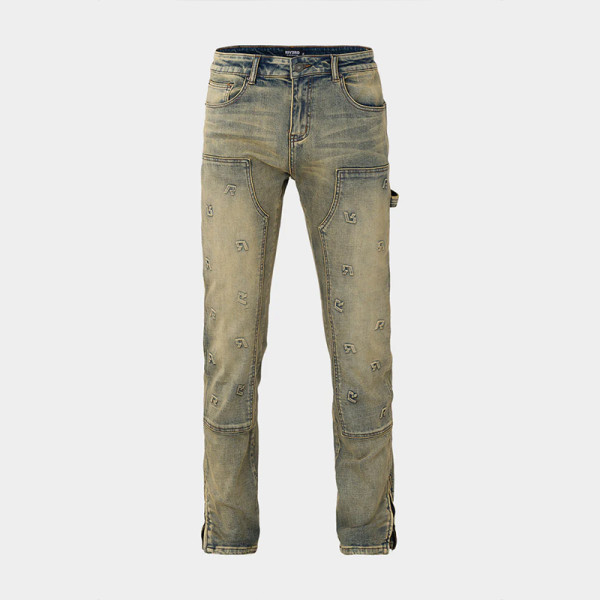
Distressed retro wash jeans with oversized patchwork and all-over embroidered symbols—designed for bold streetwear collections.
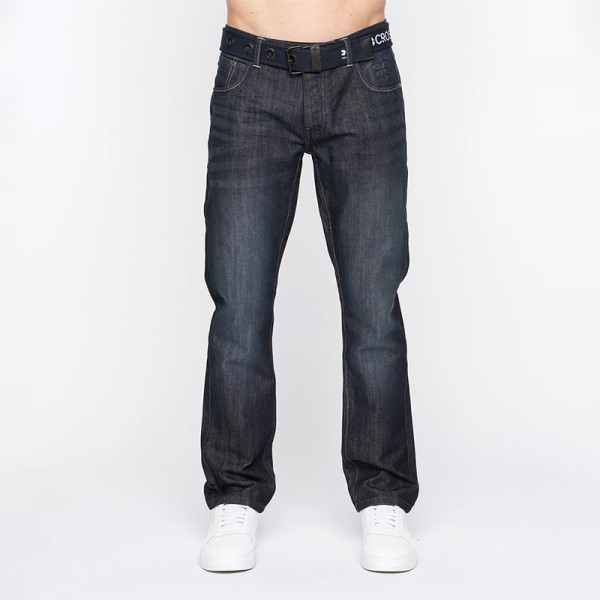
Tailored straight-leg dark jeans with clean lines, custom-made for boutique and luxury labels.
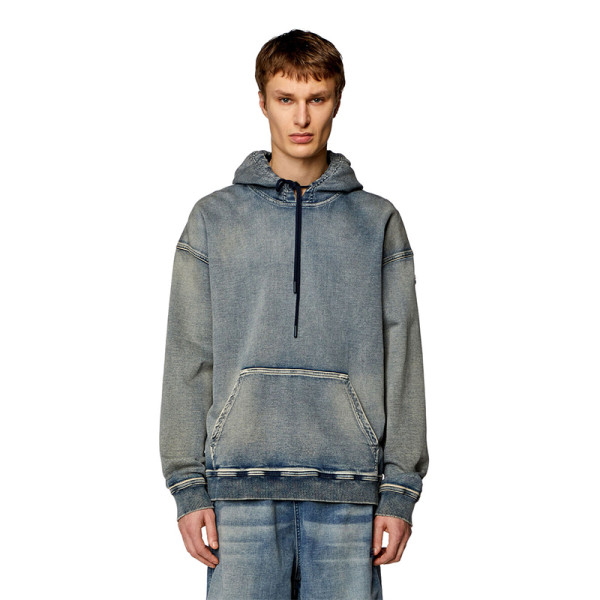
Stonewashed blue hoodie in a vintage Y2K silhouette, perfect for bold logos or patchwork accents.
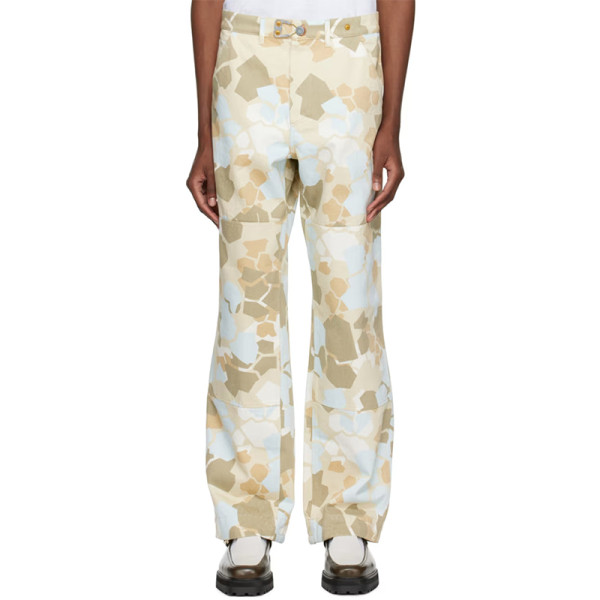
Statement camo trousers in soft earth tones—artful, relaxed, and made to stand out.