What Exactly Are Raw Denim and Selvedge Denim?
You hear denim experts throw around terms like "raw" and "selvedge." The concepts feel tangled and confusing, making it hard to confidently choose the right fabric for your designs.
Raw denim is simply unwashed denim, stiff and ready to be broken in. Selvedge denim describes the fabric's clean, self-finished edge, a hallmark of being woven on a traditional shuttle loom.
Dean, the insight you shared perfectly captures the essence of this topic. On my factory floor, we deal with these terms every single day, and they refer to two completely different things. One is about a process—or rather, the lack of one.
The other is about the construction of the fabric itself, decided long before it even reaches my sewing machines. Think of it this way: "raw" is a choice we make at the factory, while "selvedge" is a quality inherent to the fabric we receive from the mill. Let's untangle these two crucial concepts.
What is the Difference Between Raw Denim and Raw Selvedge Denim?
You see "raw denim" and "raw selvedge denim" on fabric spec sheets. This makes you wonder if they are the same thing or if one is a higher quality version.
The terms describe two different features. "Raw" means the jean is unwashed. "Selvedge" means the fabric has a self-finished edge. A jean can be one, the other, both, or neither.
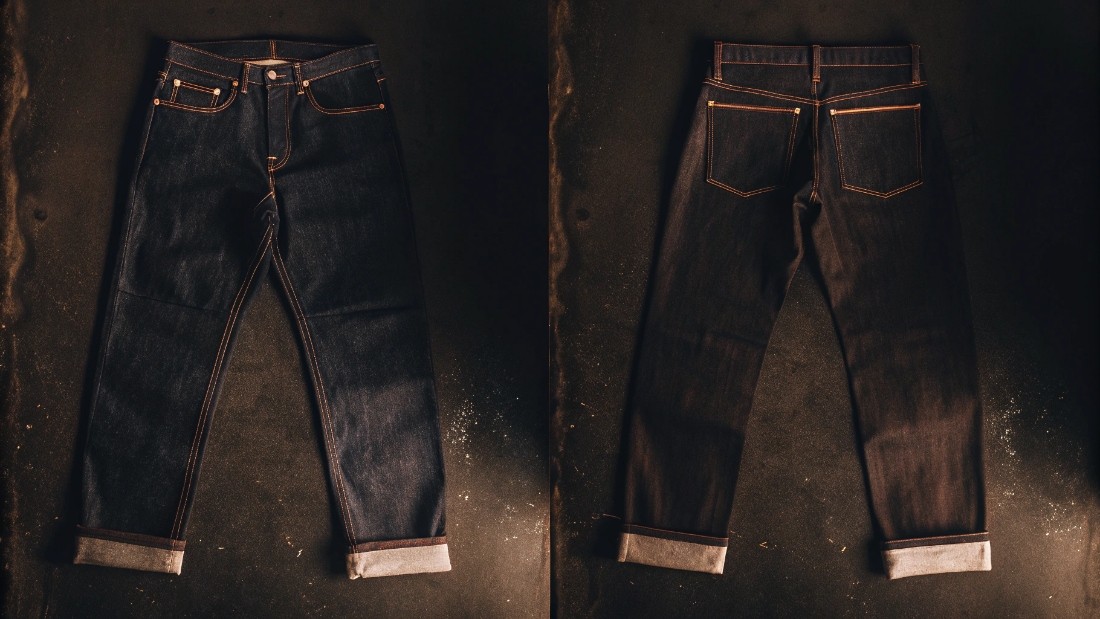
Let's break this down from a manufacturing perspective. "Raw" means we skip the entire laundry department. A "raw selvedge" jean is made from selvedge fabric and then also skips the wash process. A "raw non-selvedge" jean is made from modern, wide-loom fabric and also skips the wash process. Most of the jeans you see in department stores are "washed non-selvedge."
The reason raw denim is so often selvedge is philosophical. As you noted, a brand that cares enough to produce quality, craft-oriented raw denim will likely also invest in the high-quality fabric made on a shuttle loom. It’s a commitment to a certain way of doing things.
Raw Denim: A Tale of Two Fabrics
| Feature | Raw Non-Selvedge Denim | Raw Selvedge Denim |
Fabric Source | Modern projectile or rapier looms | Vintage shuttle looms |
| Fabric Width | Wide (60+ inches) | Narrow (approx. 30 inches) |
| Seam Finish | Cut edge, finished with an overlock stitch | Clean "self-edge," often with an ID thread |
| Cost | Lower fabric cost, less waste | Higher fabric cost, more waste due to narrow width |
What is So Special About Raw Denim?
You see the high price tag on raw jeans and wonder how to justify it. Customers are used to soft, comfortable denim, so selling stiff, unwashed jeans seems like a huge challenge.
Raw denim is special because it's a blank canvas. The wearer's lifestyle creates unique fades, creases, and whiskers. It transforms from a generic garment into a personal, one-of-a-kind artifact.
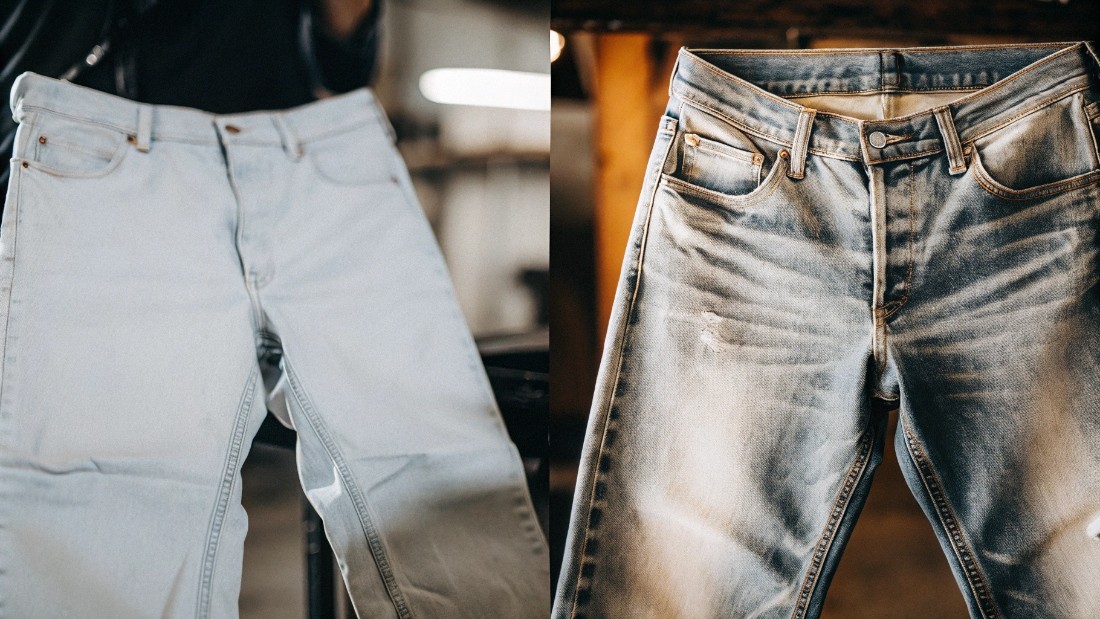
What you called "a nod to a pastime" is exactly right. Raw denim is an experience. In my factory, a typical pair of jeans goes through dozens of washing, sanding, and finishing processes to create a "vintage" look. We use lasers to create whiskers and hand-sand areas to simulate wear. Raw denim skips all of this. The deep, dark indigo dye is left untouched on the surface of the cotton fibers.
When the customer wears the jeans, their body and their habits—how they sit, what they put in their pockets—begin to chip away at that indigo. This process creates fades that are 100% unique to them. They aren't buying a finished product; they are buying the start of a project. That personal journey is what makes it so special.
What Are the Disadvantages of Raw Denim?
You're considering a raw denim program, but you're worried about the downsides. You fear customer complaints about stiffness, shrinking, and color bleeding, which could lead to returns.
The main disadvantages are the initial break-in period, which can be uncomfortable; the potential for significant shrinkage after the first wash; and the tendency for the indigo dye to bleed onto other surfaces.
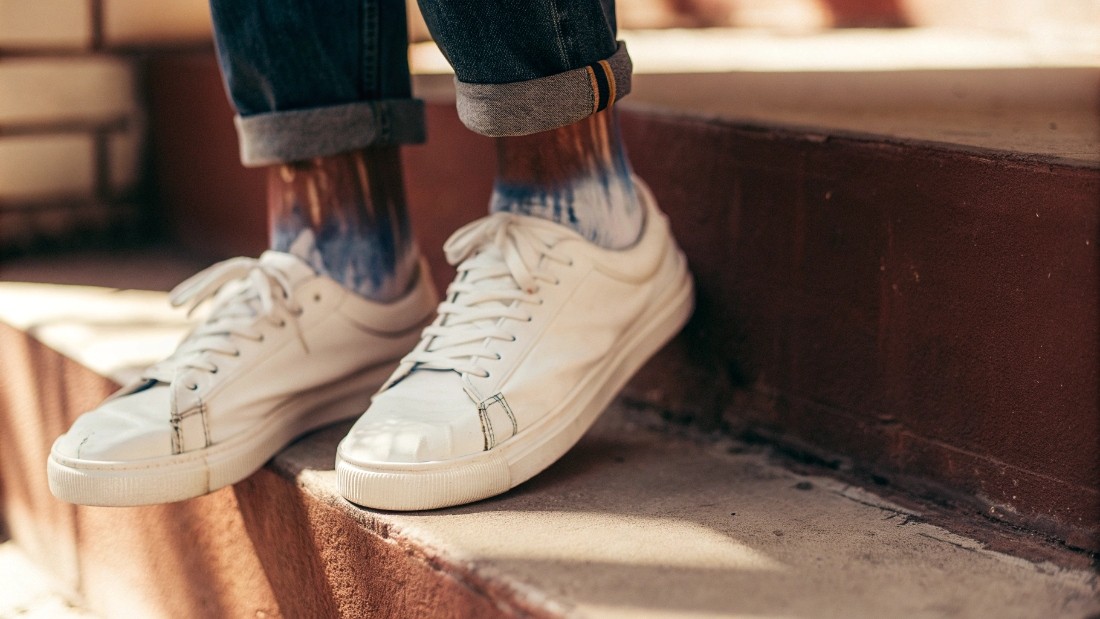
These disadvantages are real, and as a designer, you need to plan for them. It's about managing customer expectations. First, the stiffness is no joke. The fabric can feel like cardboard at first. Second, shrinkage is a major technical challenge. We have to account for it in our patterns. Most raw denim is "sanforized," a process that uses steam to pre-shrink the fabric, limiting shrinkage to about 1-3%.
But "unsanforized" or "loomstate" denim can shrink up to 10%! That's two full sizes. Finally, there's "crocking," which is the technical term for the indigo dye rubbing off. The customer has to know that their new jeans will stain light-colored shoes, couches, and car seats. It's a feature, not a bug, but it must be communicated clearly.
What is the Purpose of Selvedge Denim?
You know selvedge denim is expensive. You need to understand its true purpose to justify the cost and explain its value to both your team and your customers.
The purpose of selvedge is a mark of quality construction and durability. The tightly woven "self-edge" is created by a shuttle loom, preventing the seam from unraveling and signifying a traditional, craft-focused production method.
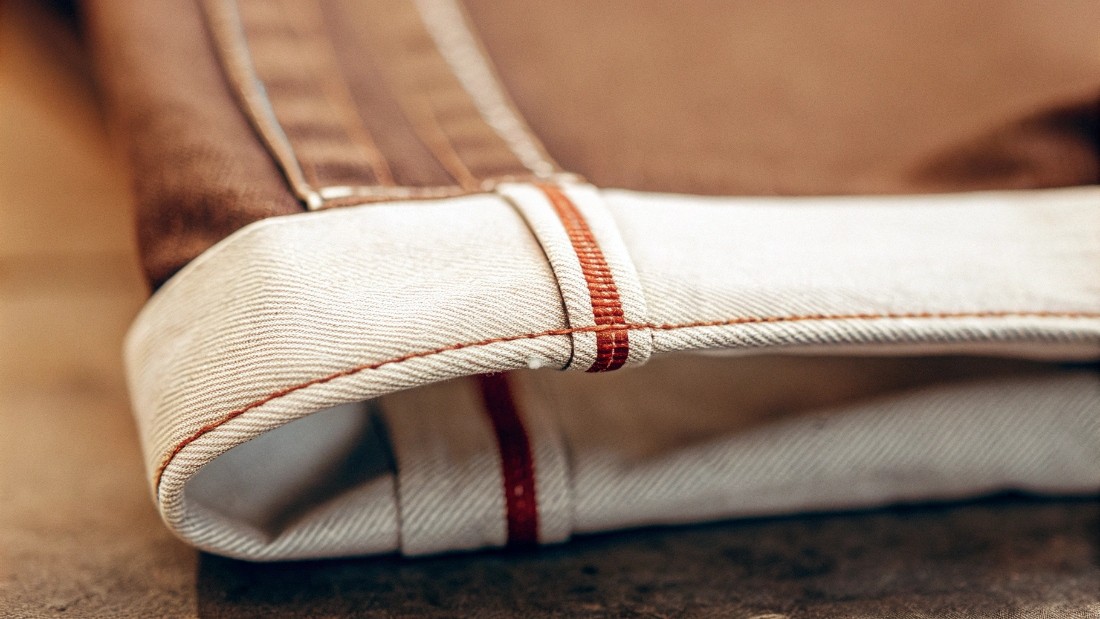
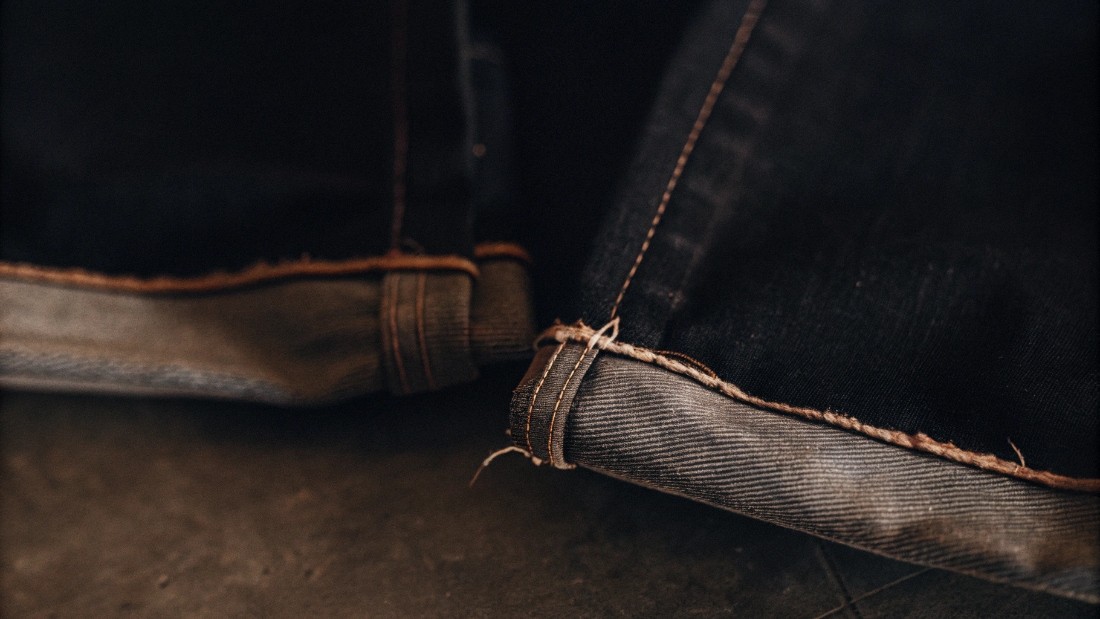
As your insight correctly pointed out, "selvedge" comes from "self-edge." It refers to how the fabric is made. A vintage shuttle loom passes the weft thread back and forth in one continuous motion. As it loops back at the edge of the fabric, it creates a clean, tightly woven band that cannot fray.
Modern looms are faster because they shoot individual threads across, leaving a raw, cut edge that has to be finished with an overlock stitch. The selvedge edge is structurally more secure. But beyond its function, it has become a symbol. When a customer sees that selvedge ID line on a cuffed jean, they are seeing a guarantee that the fabric was made slowly, on a vintage machine known for giving the denim a unique character and texture. It's a badge of quality.
Conclusion
Raw denim is about the finish—a blank canvas for personalization. Selvedge is about the fabric's construction—a mark of quality craftsmanship. Understanding both is key to creating truly exceptional jeans.
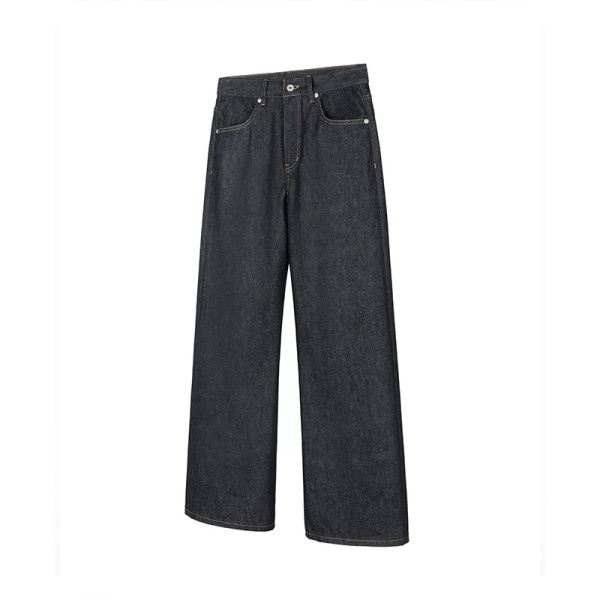
Minimalist high-waist wide-leg jeans in raw indigo denim — crisp silhouette for luxury ready-to-wear lines.
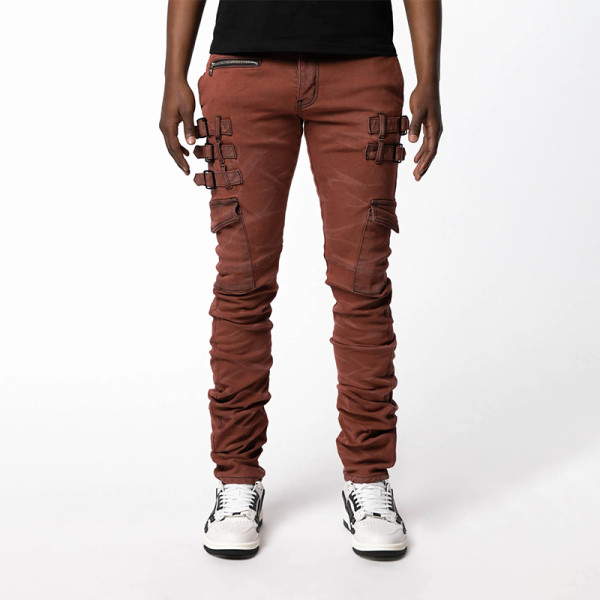
Sleek slim straight denim with subtle raw-edge detailing—crafted for modern upscale boutiques.
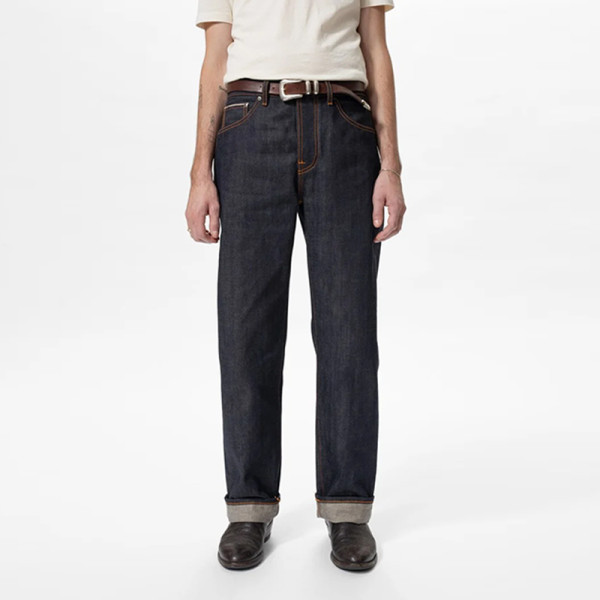
Custom raw selvedge jeans for luxury brands & boutiques. OEM/ODM, low MOQ, high-end craftsmanship.
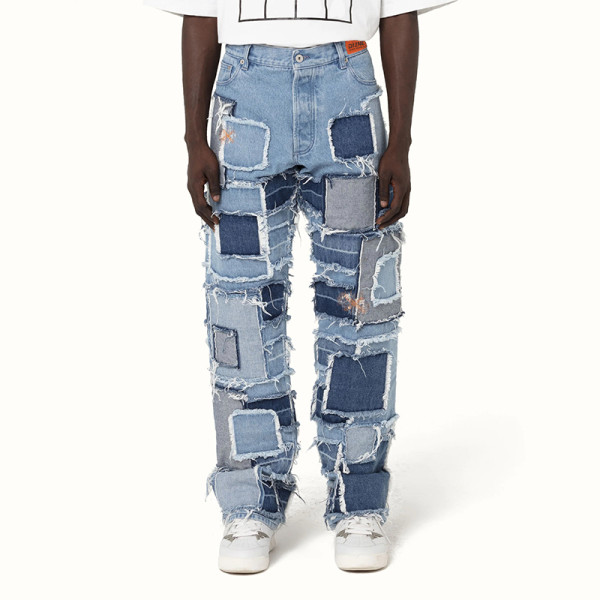
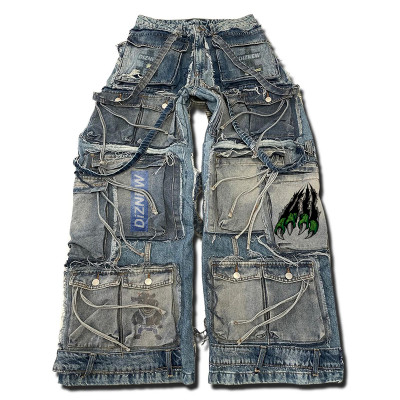
Custom baggy cotton patchwork distressed denim jeans with raw edges and vintage wash, perfect for boutiques and luxury streetwear.