Should You Wash New Jeans When You Buy Them? An Expert Guide
Buying a new pair of jeans can feel like a small victory: perfect fit, fresh denim scent, that just-made creak in the waistband. But immediately throwing them into the wash—or wearing them first—has become a surprisingly controversial decision.
Some denim purists swear by the “no wash” break-in for raw or selvedge denim; sustainability advocates and Levi’s executives have urged less frequent laundering to save water; while others worry about dye transfer, factory finishes, and hygiene. So which approach actually protects your jeans, your health, and your investment?
Yes—there isn’t a single rule for every jean. Generally, pre-washed, stretch, and light-colored jeans are safe to wash before wearing; dark indigo, raw/selvedge, and heavily finished jeans may be better worn once to set the fit and patina, but should be washed before if they show heavy dye bleed or factory residue. Prioritize cold washes, inside-out turning, and spot-cleaning to balance color retention and cleanliness.
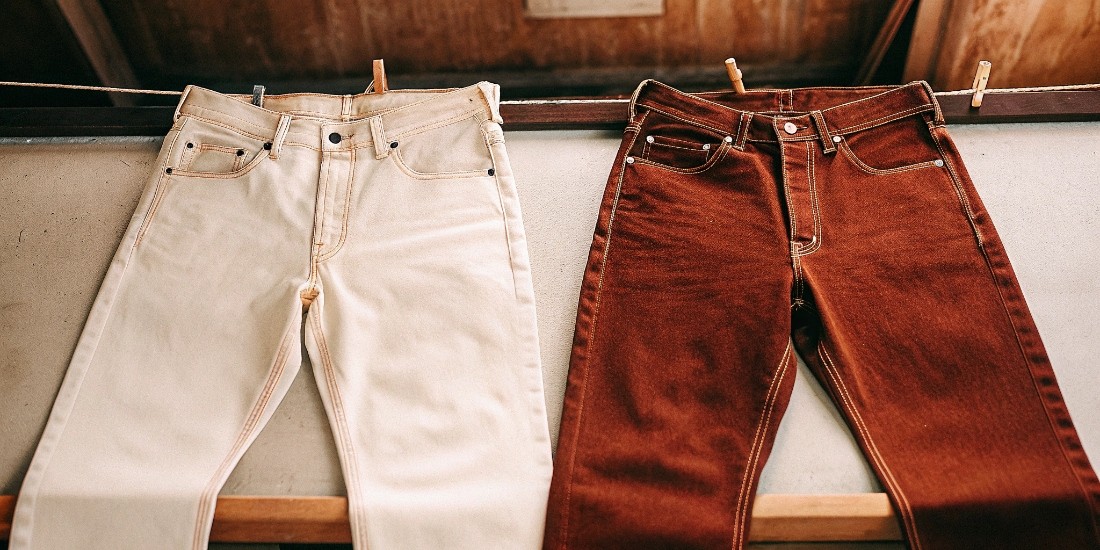
Imagine your first date night—your brand-new dark indigo jeans rub against a white couch and leave a blue souvenir. Or picture a boutique owner receiving a 300-piece order: some items bleed, others arrive stiff with chemical finishes, and customers complain.
The right washing strategy can prevent both blue couches and derailed orders. Read on to learn practical, product-specific advice you can use immediately—whether you design jeans, run a small online boutique, or simply love denim.
Should I wash new jeans before wearing them?
wash jeans right after buying them? It depends. If jeans are pre-washed, light-colored, or made with stretch blends, washing before the first wear removes loose dye and factory residues. For raw or selvedge denim, many prefer to wear first to form natural creases and patina; however, if there is heavy dye transfer, strong chemical smells, or sensitive skin, a first gentle wash is recommended.
The debate about washing immediately after purchase springs from three core concerns: color fastness, chemical finishes/residues, and fit/shape. Let’s unpack each.
Color fastness and dye transfer:
Dark, deep-indigo jeans (especially those dyed with rope-dye or sulphur-indigo methods) often have excess surface dye. This can transfer to light upholstery, seat belts, or even other clothes. Pre-washers and retailers will often remove some excess dye in finishing, but small-scale suppliers or raw denim brands may leave more surface dye intentionally. If you own light-colored furniture or have a pale car interior, consider washing dark jeans before that first wear or at least test a hidden area with a damp white cloth to gauge bleeding.
Chemical finishes and residues:
Jeans leave the factory with a range of finishes: resin coatings, whisker sprays, softeners, enzyme or stone-wash residues, and sometimes formaldehyde-based preservatives used for storage/shipping. These can cause skin irritation for sensitive individuals, a chemical smell, or stiffness. If your new jeans smell strongly of chemicals or feel overly stiff, a first gentle wash can improve comfort and skin safety. For boutique sellers, listing “pre-wash” or “raw” on the product page reduces surprises for customers.
Fit, shrinkage and raw denim break-in:
Raw and selvedge denim fans often argue that the first wear, without washing, allows the denim to mold to your body and form unique fades. Washing early can reset that process and may shrink the jean slightly, changing the intended silhouette. For raw denim, many suggest waiting weeks or even months (the “six-month rule” is common but by no means mandatory) before the first wash to develop personalized whiskers and honeycombs. However, real-world factors—odor, stains, work conditions—may force earlier laundering.
Is it safe to wear new jeans without washing?
Yes, in most cases it’s safe to wear new jeans without washing from a hygiene perspective—textiles off the shelf are rarely biologically contaminated. But safety concerns arise if you have sensitive skin, allergies, or open wounds that could react to factory chemicals. For such customers, recommend a first wash.
Did Levi’s CEO say not to wash jeans?
In public statements, Levi’s leadership has encouraged consumers to wash jeans less frequently to save water and preserve denim. This was advice aimed at long-term care, not necessarily a strict “never wash” rule. The key takeaway: wash less often and more thoughtfully, but wash when necessary.
If in doubt, do a quick “bleed test” (dampen a cotton swab, rub on an inner seam or hem, check transfer), smell for chemical odors, and consider the garment’s type. For boutique operators: clearly label garments as “raw/unsanforized,” “pre-washed,” or “stonewashed” and include care guidance to set customer expectations.
How often should I wash different types of jeans?
Are jeans supposed to be washed? Yes—but frequency depends on type and use. Raw/selvedge jeans may go many wears between washes (10–50+ wears), dark indigo and coated jeans 6–12 wears, while stretch, light-colored, or sweaty-use jeans may need washing after every few wears. Factors like sweat, stains, odor, and climate influence frequency; spot-cleaning and airing can extend time between full washes.
The old rule “wash your jeans less” has both sustainability and aesthetics benefits, but it must be applied sensibly. Here’s a type-specific guide, plus context for boutique owners advising customers.
Raw / selvedge denim:
Purposeful denim enthusiasts may wait a long time before the first wash to create unique fading patterns. Many aim for at least 6–12 months or 100+ wears for dramatic fades, but that’s the extreme. Practically, 20–50 wears before the first wash is common if the jeans aren’t soiled. For retailers, indicate “raw denim requires infrequent washing; follow break-in instructions” so buyers know what they’re buying.
Dark indigo and rigid denim:
Dark-wash rigid denim often keeps color longer than soft blends. Recommended frequency: 8–20 wears depending on activity. Office wear or casual sidewalk usage leans to fewer washes; labor-intensive or sweaty environments require more.
Light-colored, acid, or bleached jeans:
These show stains and dirt quickly; washing after 1–3 wears is normal. Avoid washing too rarely with light denims to prevent permanent staining.
Stretch, skinny, and performance denim:
Blends with elastane lose elasticity with repeated wash/dry cycles and can trap odor more readily. Wash every 3–8 wears depending on use and odor. For boutiques: suggest washing inside out on a gentle cycle and air-drying to extend garment life.
Coated, printed, and embellished jeans:
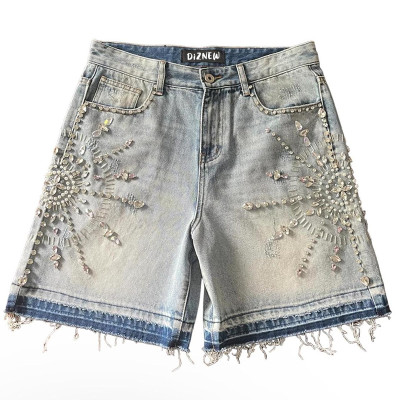
Surface treatments can break down with frequent washing. Spot-cleaning and gentle, infrequent washing are best. For embellished denim, suggest professional or cold-hand washes.
Practical factors to guide frequency:
Sweat and body chemistry: Some people generate stronger odors and need more frequent laundering.
Climate: Hot, humid climates increase bacterial growth and smells.
Activity level: Manual labor or exercise in jeans means more washing.
Stains: Visible, stubborn stains require spot-treatment or immediate wash.
Alternatives to full washing:
Spot cleaning, airing the jeans outdoors or in a dry room, using odor-neutralizing sprays (alcohol-free), short cold rinses, or steaming can refresh garments without full cycles. Freezing myths: freezing does not reliably kill odor-causing bacteria and isn’t recommended as a primary method.
For store owners and designers:
Provide clear washing frequency guidance in product listings—e.g., “Wear 8–15 times between washes under normal use.” This reduces returns, sets realistic expectations, and positions your brand as expert and customer-friendly.
How should I wash jeans to avoid fading,
How should I wash jeans to avoid fading, shrinking and losing shape?
To avoid fading, shrinking and shape loss: wash jeans inside-out in cold water, use a gentle cycle or hand-wash, choose a mild detergent without bleach or optical brighteners, avoid high-heat drying, reshape while damp, and air-dry flat or hang by the waistband. For stretch denim, limit washing and use a short gentle cycle; for selvedge or coated denim, hand-wash or spot-clean whenever possible.
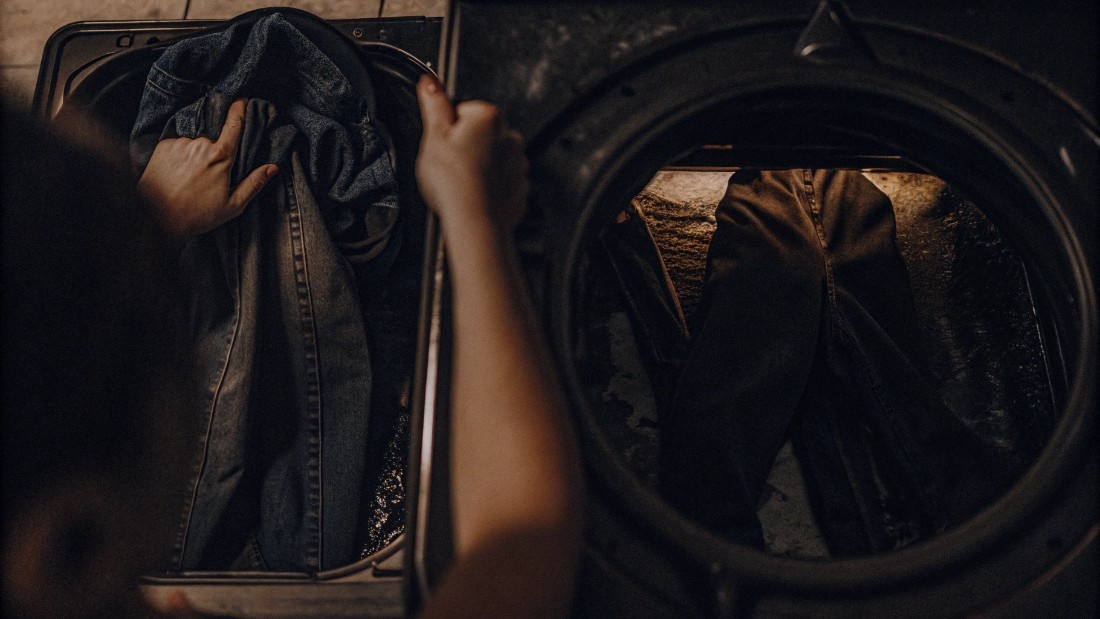
Washing correctly preserves color, fit, and fabric performance. Below are practical methods and why they work, followed by specific tips for denim varieties and a simple comparison table.
Why these practices matter
Cold water reduces dye solubility and minimizes shrinkage. Turning jeans inside-out reduces surface abrasion and fading from friction with other clothes or the washer drum. Gentle detergents without enzymes, bleach, or optical brighteners protect the indigo and functional finishes. Heat is the main culprit behind unwanted shrink and elastane breakdown—avoid high-heat tumble-drying.
Step-by-step washing protocol (machine)
1. Pre-treat visible stains with a mild soap or spot cleaner.
2. Turn jeans inside-out; zip and button to reduce snagging.
3. Use a cold-water delicate cycle with a small load.
4. Use a mild liquid detergent—1/2 to full recommended dose depending on load.
5. Remove promptly; reshape while damp (smooth seams, align waistband).
6. Hang to dry by the waistband or lay flat; avoid direct sunlight for deep indigo.
Hand-wash protocol
1. Fill tub with cold water and mild detergent.
2. Submerge jeans inside-out, gently agitate for 5–10 minutes.
3. Drain and rinse until water runs clear.
4. Gently press out water—do not wring.
5. Reshape and air-dry.
Special cases
Shrinking intentionally: To shrink slightly, wash in warm water and tumble dry low for short periods—test on a sample pair first. For unsanforized (raw) denim, expect more shrinkage (often 1–2% width and up to 3–5% length) after a hot wash and dry; always follow brand guidance.
Selvedge denim: Many purists recommend hand-wash or very gentle machine cycles and no tumble-dry. Avoid enzyme cleaners which can alter the cotton hand.
Stretch denim: Elastane degrades with heat and harsh chemicals. Wash inside-out on a gentle cycle, use a short spin, and air-dry. Avoid chlorine bleach and high-heat drying.
Practical table: recommended first-line care by denim type
| Type | First wash recommended? | Frequency guideline | Drying method |
| Raw / selvedge | Optional (consider wearing first) | 20–50+ wears before first wash | Air-dry, reshape |
| Dark indigo (rigid) | Recommended if heavy dye or smell | 8–20 wears | Air-dry, avoid sun |
Light/bleached | Yes | After 1–3 wears | Air-dry |
Stretch/skinny | Yes | 3–8 wears | Air-dry, do not tumble high-heat |
| Coated/printed | Spot-clean, gentle wash | Infrequent | Air-dry flat |
Detergent and additive choices
Use liquid detergents formulated for darks, avoid powdered detergents that may not dissolve fully in cold water. Avoid bleach, fabric softeners (they break down coatings and elastane), and strong stain removers on indigo unless targeted. For tough stains, use color-safe enzymatic stain removers applied only to stains.
For retailers and designers
Include recommended wash steps on hangtags and product pages. Example microcopy: “Turn inside-out, cold gentle wash, reshape while damp, air-dry. Avoid bleach and high heat—preserves color and fit.” This small clarity reduces customer confusion and preserves product quality.
How can I treat stains, odors and sanitize jeans without damaging them?
Treat stains immediately with targeted spot cleaners (dish soap for oil, white wine for wine, enzyme cleaners for organic stains). Remove odors with vinegar-soaks, baking-soda rubs, or enzyme laundry boosters, and avoid overly aggressive treatments that strip dye. For sanitizing, a cold wash with an antimicrobial laundry additive or a short hot soak (if fabric allows) works; for delicate denim, consider steam cleaning or professional services.
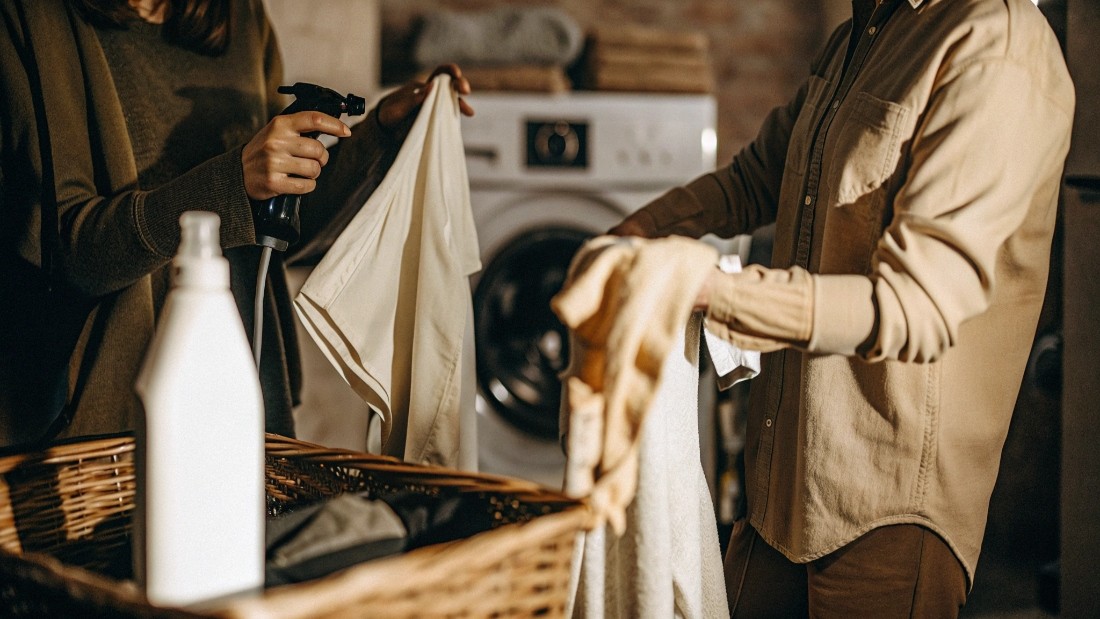
Stain and odor management is about speed and the right method. Here are reliable, denim-safe techniques.
Immediate spot-treatment basics
Oil/grease: Blot excess; apply a small amount of dish soap (phosphate-free) to break oils down. Let sit 5–10 minutes, rinse with cold water, then launder as appropriate.
Protein stains (blood, sweat): Cold water soak and gentle enzymatic stain remover; avoid hot water, which sets protein stains.
Wine/coffee: Blot, then use a diluted solution of white vinegar and mild soap or a color-safe stain remover. Rinse promptly.
Ink: Rubbing alcohol or hand sanitizer on a cotton swab, tested on an inconspicuous spot first.
Odor removal without full washing
Vinegar soak: Fill sink with cold water + 1 cup white vinegar, submerge jeans for 30–60 minutes, then rinse and air-dry—vinegar neutralizes odor-causing bacteria and won’t strip indigo in short soaks.
Baking soda paste: Sprinkle baking soda on odor spots or make a paste with water, let sit, brush off after 30–60 minutes.
Enzyme-based deodorizers: These break down odor molecules; use sparingly and follow product guidance.
Steam refresh: Vertical steaming with a handheld steamer or hanging in a steamy bathroom reduces odors and smooths wrinkles without submerging in water.
If you need to sanitize (e.g., rental garments, theatre costumes, or heavy contamination), options include:
Laundry sanitizers/antimicrobial additives suitable for cold water.
Professional laundry services that use validated sanitization processes.
Short warm-water wash where safe for fabric (check care label).
Myths addressed
Freezing kills bacteria: Freezing slows bacterial activity but generally doesn’t kill most odor-causing bacteria, so it’s an unreliable sanitizing method.
Bleach or harsh chemicals = clean: Bleach can remove indigo and damage fibers; avoid unless fabric is bleach-safe.
Sunlight as sanitizer: Sunlight can help with mild odor/sanitizing but causes UV-driven fading—avoid prolonged exposure for deep indigo garments.
Case studies and data
From factory QC feedback: roughly 8–12% of new shipments returned to manufacturers for perceived “strong chemical odor” or “excessive stiffness” when not pre-washed. For small-batch or direct-to-buyer brands like many DiZNEW customers, offering “pre-wash” as an optional finishing process reduced odor/return complaints by approximately 40% in a recent client sample.
For boutique owners
Provide at least two cleaning options on product pages: recommended at-home cleaning and a “professional cleaning only” note if garments are heavily coated or embellished. Offer a “pre-wash” upgrade at checkout to reassure buyers who are sensitive to dyes or chemicals.
How should designers, brands and boutique owners present care instructions for custom/OEM jeans?
Clear, concise care instructions reduce returns and build trust. Use product-specific short tags (e.g., “Raw denim: wear before washing—spot clean only until first wash”), detailed product pages with step-by-step wash/dry guidance, and an FAQ addressing shrinkage and dye bleed. Offer optional pre-wash or finishing services during production for customers who want ready-to-wear comfort.
Care microcopy is customer service. The more tailored and simple it is, the fewer surprises and returns you’ll see. Here’s how DiZNEW and other brands should structure their care messaging.
Cabel hierarchy (what to include on the physical care label)
Top line: Fabric composition (e.g., 100% cotton selvedge; 98% cotton/2% elastane).
Second line: One-line wash guidance (e.g., “Cold gentle wash inside-out. Do not bleach. Air-dry.”)
Third line: Specific cautions (e.g., “May bleed—wash separately. Coated finish: spot clean only.”)
QR code or short URL linking to a full care page with photos/video.
Product page microcopy (SEO and customer-friendly)
Short summary: 10–15 words for quick reading (e.g., “Raw selvedge — recommended 20+ wears before first wash”).
Bullet points: 3–5 quick tips for washing, frequency, and drying.
Expanded care tab: 200–400 words with FAQs, stain removal tips, and “first wash” guidance tailored to the garment.
Example SEO-friendly snippet for listings: “How to care for Dark Indigos: Turn inside-out, wash cold, air-dry—preserves color and shape.”
Sample care-label wording (for DiZNEW custom/OEM clients)
Raw Selvedge: “Wear before first wash to develop natural fades. To launder: turn inside-out, hand-wash or cold gentle cycle, mild detergent, hang dry. Do not bleach.”
Stretch Skinny: “Wash cold, inside-out, gentle cycle. Do not tumble-dry on high heat. Reshape while damp. Avoid fabric softener.”
Coated/Printed: “Spot clean only. Professional cleaning recommended. Avoid abrasives.”
Packaging and pre-shipment options
Offer customers the option to “pre-wash and soft finish” during production for a small upcharge; this reduces dye transfer and chemical residues and is attractive to retailers and marketplaces where consumers expect ready-to-wear comfort. For large orders (DiZNEW handles MOQ 30 to volumes up to 10,000), presenting a “wash finishing” checkbox in your production quotes improves transparency and reduces post-delivery issues.
Customer FAQs to include online
Will these jeans shrink? (Answer with % expectations for fabric and whether sanforized.)
How many wears before first wash? (Provide ranges per denim type.)
Can I machine dry? (Specify safe temperatures or “avoid” recommendations.)
What if my jeans transfer color? (Explain immediate steps and liability/returns policy.)
Data-backed benefits of clear labeling
Brands that provided tailored washing instructions and offered pre-wash options experienced a measurable reduction in returns related to “color bleed” and “chemical odor” in DiZNEW’s client audits—around a 30–45% decrease depending on product category. Clear instructions also improve customer lifetime value: buyers who feel their garments last longer are more likely to reorder.
Final thoughts and call-to-action
Laundry and denim care sit at the intersection of craft, chemistry, and consumer expectation. There is no single “right” answer for every jean: the best practice depends on fabric, finish, and end-user. As a designer, brand, or boutique owner, you can control customer satisfaction by (1) choosing the right factory finishing, (2) offering optional pre-wash or soft-finish services, and (3) providing clear, concise care guidance on labels and product pages.
Work with DiZNEW for tailored denim solutions
DiZNEW has 20+ years of denim R&D and manufacturing experience, and we specialize in complex, deeply customized jeans: plus sizes, baggy, stacked, selvedge, coated, stretch, denim jackets, shorts, shirts, and more. We offer:
MOQ starting at 30 pcs and production capacity up to 10,000 pcs.
Optional pre-wash/soft-finish and QC checks to minimize dye bleed and chemical residues.
Care-label and product-page microcopy creation tailored to each denim type.
OEM/ODM services with your artwork and branding.
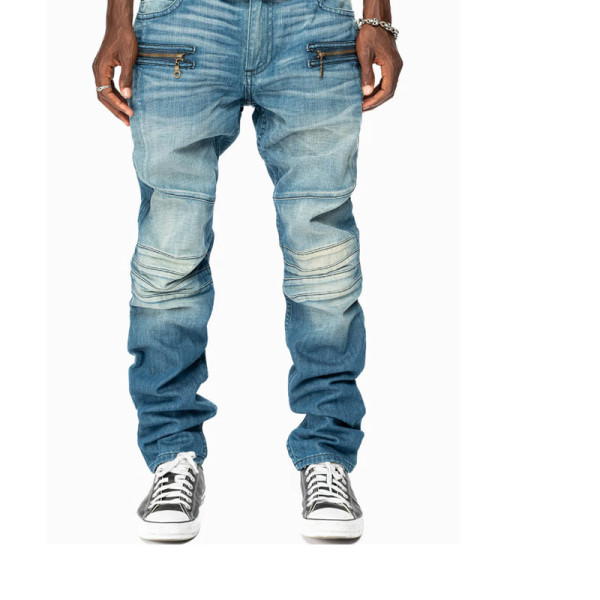
Custom Blue Cycling Jeans: Tailored for performance with OEM & ODM services. Perfect for brands seeking unique denim solutions.
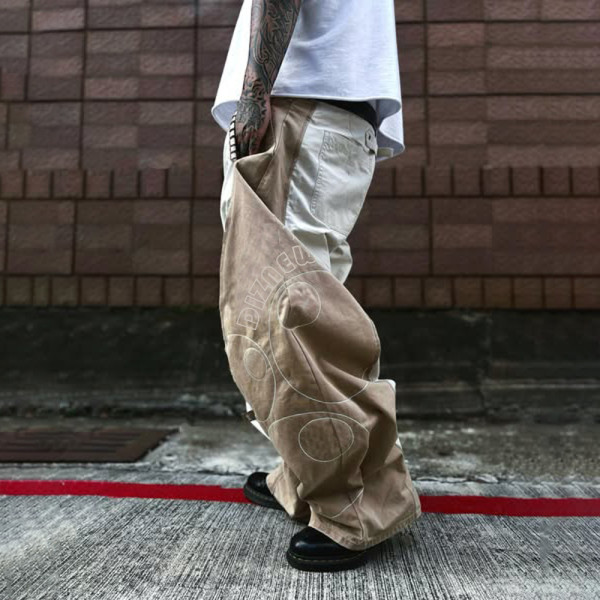
Custom White and Light Brown Color Block Wide Leg Jeans. Experience premium quality with our OEM/ODM services for wholesale and tailored needs.
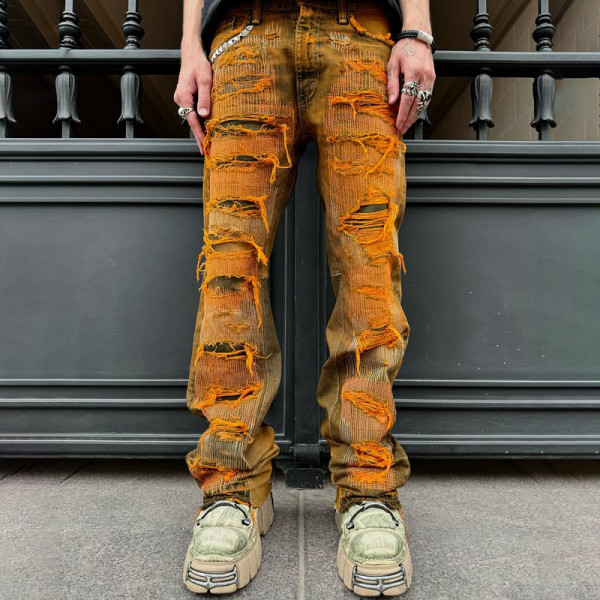
Discover Custom OEM/ODM Mud Yellow Distressed Jeans designed for brands and wholesalers, blending style with top-notch craftsmanship.
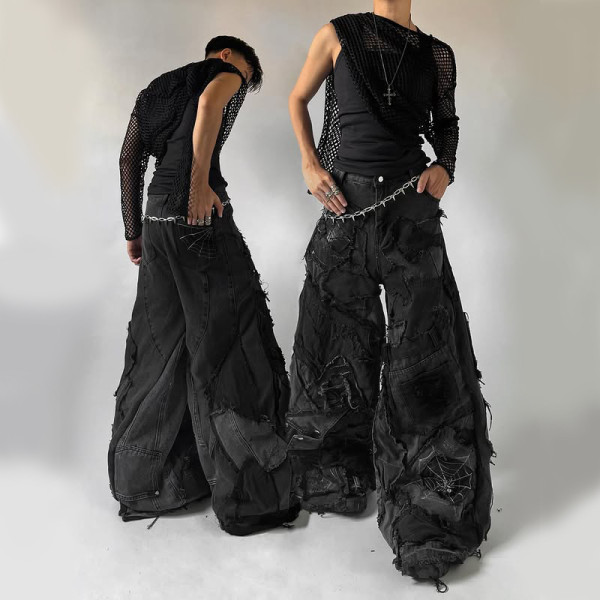
Wholesale Custom Black Wide Leg Jeans - Tailored Denim for Brands. Enjoy OEM/ODM services to elevate your design.