How to Get Your Jeans to Fit Perfectly from an Off-the-Rack Retailer ?
Finding the perfect pair of jeans—where the waistband hugs you just right, the thighs feel comfortable, and the length hits your ankle exactly as you envisioned—is something every shopper dreams of. Yet for many, this dream quickly turns into frustration when off-the-rack denim arrives baggy in some places, tight in others, or simply “not quite right.” The truth is that even the biggest brands can’t tailor their sizing to your unique shape.
But you don’t need to resign yourself to ill-fitting denim any longer. In this guide, we’ll reveal insider tips to demystify jeans sizing, share simple at-home hacks to tweak your new pair, and explain when professional tailoring is worth the investment. By the end, you’ll know exactly how to get your jeans to fit perfectly—even if you never step into a fitting room.
To get off-the-rack jeans to fit perfectly, start by understanding your exact measurements and how they correspond to different cuts. Use at-home tricks—like strategic washing or inserting a discreet elastic—to refine the waistband and leg shape. For stubborn fit issues, invest in professional alterations: hemming, tapering, and waist adjustments deliver the most dramatic improvements. Follow this expert roadmap to conquer fit frustrations and wear your denim with total confidence.
Remember Sarah, the boutique owner who ordered 50 pairs of premium skinny jeans only to find them gaping at the waist? Instead of returning them all, she discovered a few simple tweaks that turned every pair into her new bestseller. Read on to learn her secrets—and save yourself from a denim disaster.
Why Off-the-Rack Jeans Often Don’t Fit (and How to Spot Fit Issues Before You Buy)
Off-the-rack jeans often miss the mark because brands use standardized “vanity sizing,” so a size 28 in one label might equal a 30 in another. Common issues include waist gaping, thigh tightness, and inconsistent leg openings. Spot these before you buy by comparing your actual measurements—waist, hip, rise, inseam—against each brand’s size chart. Look for customer reviews that mention fit consistency, and keep an eye on stretch percentages (5% elastane versus 1%).
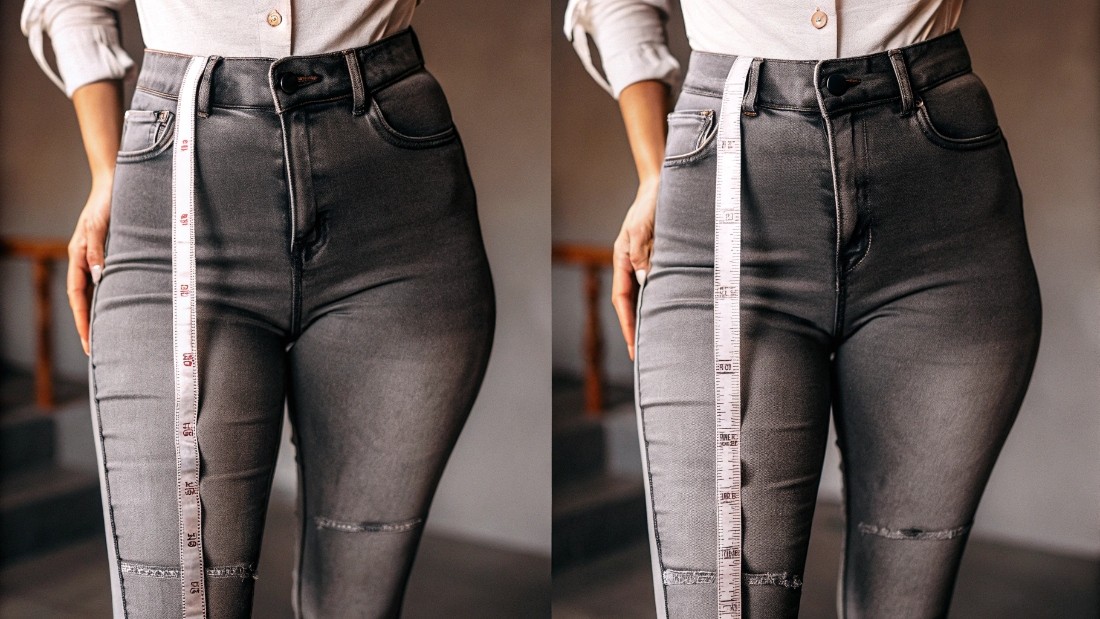
1. Vanity Sizing and Standardization Flaws
Brands inflate sizes to flatter customers: a “30” waist may measure 32 inches. This inconsistency is the root of many fit problems.
Even within a single brand, different cuts (skinny vs. baggy) can have unique measurement tolerances, so your usual size might not work across styles.
2. Key Measurements to Watch
a. Waist: Measured at the narrowest point—compare it to the garment’s waistband laid flat.
b. Hip: Taken at the fullest part of your buttocks—some brands list hip width, others omit it entirely.
c. Rise: Critical for comfort; a low-rise jean can gap if you sit differently than the model.
d. Inseam & Leg Opening: Skinny jeans with a 28” inseam but a 12” opening can look dramatically different from one with a 14” opening.
3. Stretch Percentages and Fabric Composition
A 98% cotton /2% elastane blend will stretch less and recover more than a 95% cotton /5% elastane fabric.
– Higher stretch means more give in the waist and thighs—good for comfort but can lead to sagging mid-day.
4. Using Reviews & Virtual Try-On Tools
Read customer feedback for comments on “true to size” or “runs large.”
Many retailers now offer AR-enabled try-on tools—upload your measurements for a more accurate fit preview.
5. Sample Table: How Two Popular Brands Compare
| Brand | Size 30 Measured Waist | Fabric Blend | Leg Opening | Customer Fit Rating (out of 5) |
| DenimCo | 31.5” | 98/2 cotton/spandex | 12.5” | 4.1 |
| BlueWorks | 29.8” | 95/5 cotton/elastane | 13.0” | 3.7 |
6. Tips for Pre-Purchase Confidence
Always consult the size chart for each style.
When in doubt, size down for high-stretch fabrics and size up for rigid denim.
Bookmark brands with generous return policies and free exchanges.
How to Choose the Right Size and Style for Your Body Type (Without Even Trying On)
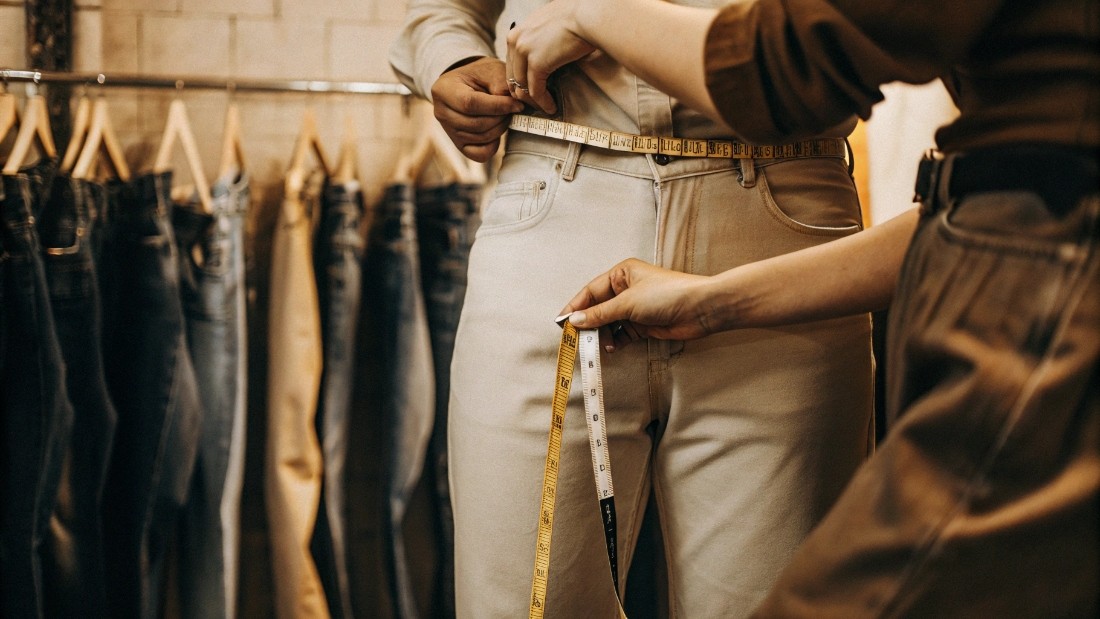
To know if pants will fit without trying them on, start by taking accurate body measurements: waist at the narrowest point, hips at the fullest, thigh circumference 2–3” below the crotch, and rise from crotch to waist. Match these to the style’s specs—skinny, straight, baggy, plus size—found on each product page. Use brand size calculators and customer photos for a visual gauge, and lean on virtual fitting tools when available.
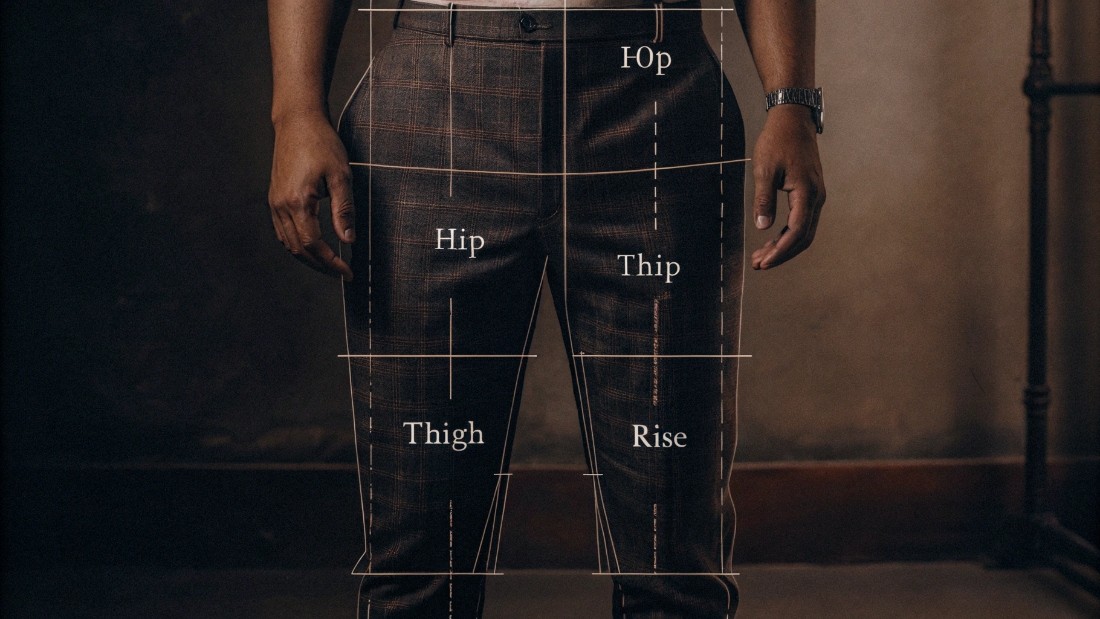
1. Taking Precise Body Measurements
Waist: Measure at the natural narrowest point; keep the tape snug but not tight.
Hips: Stand with feet together and measure around the fullest part.
Thigh: Wrap the tape 2–3 inches below the crotch.
Rise: From the crotch seam up to the waistband—essential for high-rise or low-rise jeans.
Inseam: Measure from crotch to ankle bone.
2. How to Know Your Shirt Size Without Measuring
If you need jacket or shirt coordinates for a look: use a well-fitting tee as a guide, compare shoulder seam alignment, chest width, and sleeve length.
Many denim jackets use similar sizing charts—opt for “oversized” fits if layering.
3. Matching Body Shape to Jeans Cuts
Skinny: Best for slim hips and thighs; look for at least 2% elastane.
Straight: Universally flattering; avoid extremes in leg opening.
Baggy: Great for athletic builds; ensure the waistband sits where you intend.
Plus-Size: Seek brands with extended hips and thigh room; a higher rise prevents “muffin top.”
Stacked and Jogger: Consider how the fabric will stack or cuff—measure leg opening carefully.
4. Online Tools and Virtual Try-On
AR apps let you “fit” jeans against your body shape; combine this with measurement matching.
Brand fit calculators ask your height, weight, waist, and hip measurements to recommend a size—double-check with reviews.
5. Common Mistakes and How to Avoid Them
Relying solely on your usual size without checking style specs.
Ignoring fabric stretch percentage—rigid denim and high-stretch behave differently.
Overlooking rise measurement: a low-rise jean may gape if you have a longer torso.
At-Home Tricks: Simple Adjustments to Get Jeans That Are Too Big or Too Loose to Fit Perfectly
If your jeans are too big at the waist, use a hidden elastic band hack: thread a small piece of elastic through the rear belt loops, secure with buttons, and adjust tension as needed. To tighten thigh gaps, wash jeans inside-out in hot water and tumble-dry on high heat—this shrinks them slightly. For leg shape tweaks, fold the excess hem inward and tack with matching thread for a no-sew taper.
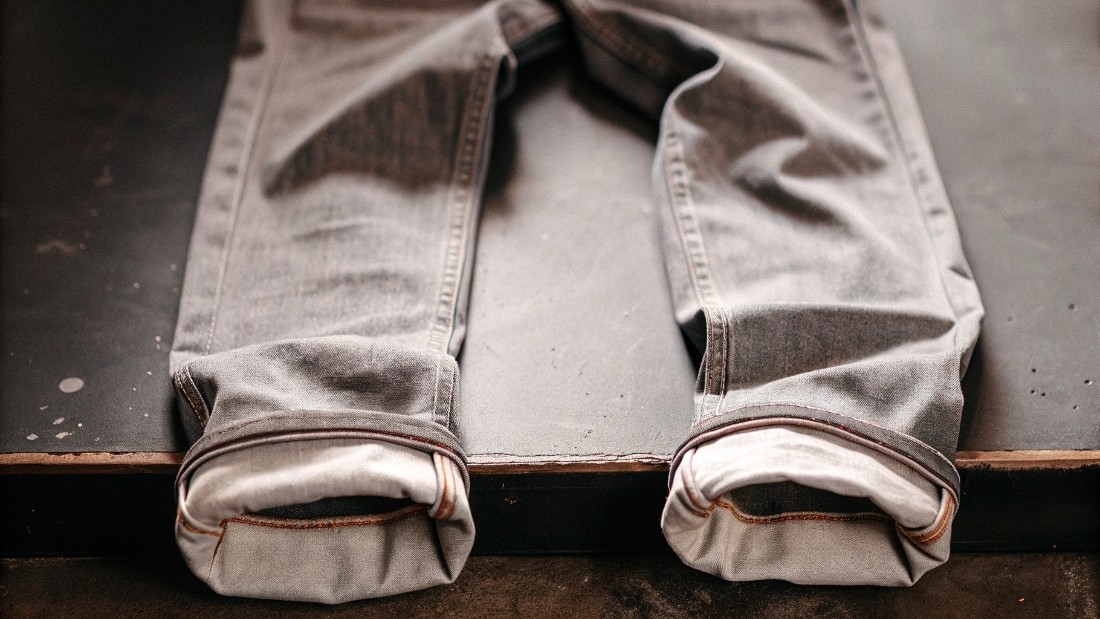
1. Waistband Solutions
a. Elastic Button Loop
Materials: ¾” wide elastic, two small buttons.
Method: Remove rear belt loops, stitch elastic ends each to the loops, button through an extra loop to cinch.
Pros: Invisible under a shirt, adjustable.
b. Hair-Tie Hack
Loop a sturdy hair tie around the button and through the buttonhole to reduce waist by 1–2 inches.
Best for quick fixes—but may shift during the day.
2. Heat & Shrink Methods
Hot Wash & High-Heat Tumble: Good for 100% cotton denim; can shrink 1–2% in waist and thigh.
Caution: Repeated high-heat cycles weaken fabric over time.
3. Leg Tapering Without Professional Tools
Inside-Out Fold & Press: Fold the leg to desired taper, press with an iron, secure temporarily with fabric tape, wear until a crease forms.
No-Sew Stitching: Use iron-on hem tape on the inside seam to hold a new taper.
4. Tack & Trim for Baggy Jeans
Mark new seam line inside leg, cut off excess fabric below the knee to maintain design integrity, fuse with hem tape or a few hand stitches.
5. Safety-Pin & Self-Adhesive Solutions
Use industrial-strength safety pins along the inner waistband to cinch discreetly.
Self-adhesive velcro strips inside the waistband can provide adjustable grip.
6. Pros & Cons Table of At-Home Hacks
| Method | Cost | Adjustability | Durability | Visibility Under Clothes |
| Elastic Button Loop | $2–$5 | High | High | Low |
Hair-Tie Hack | Free | Low | Low | Medium |
Hot Wash & Dry | Free | Medium | Medium | N/A |
| Iron-On Hem Tape | $10 | Medium | Medium | Low |
| Safety Pins | $1 | Low | Low | High |
When and Why You Need a Professional Tailor for the Perfect Denim Fit
Professional alterations deliver the biggest bang for your buck: waist taking-in can reclaim 2–4 inches, inseam hemming customizes length to the exact spot on your ankle, and thigh tapering shapes the silhouette. Seek a tailor with denim experience—ask for examples of raw denim work or ripped-jeans distressing. Communicate clearly: bring reference photos, explain your preferred sit (high, mid, low), and confirm pinning before any scissors come out.
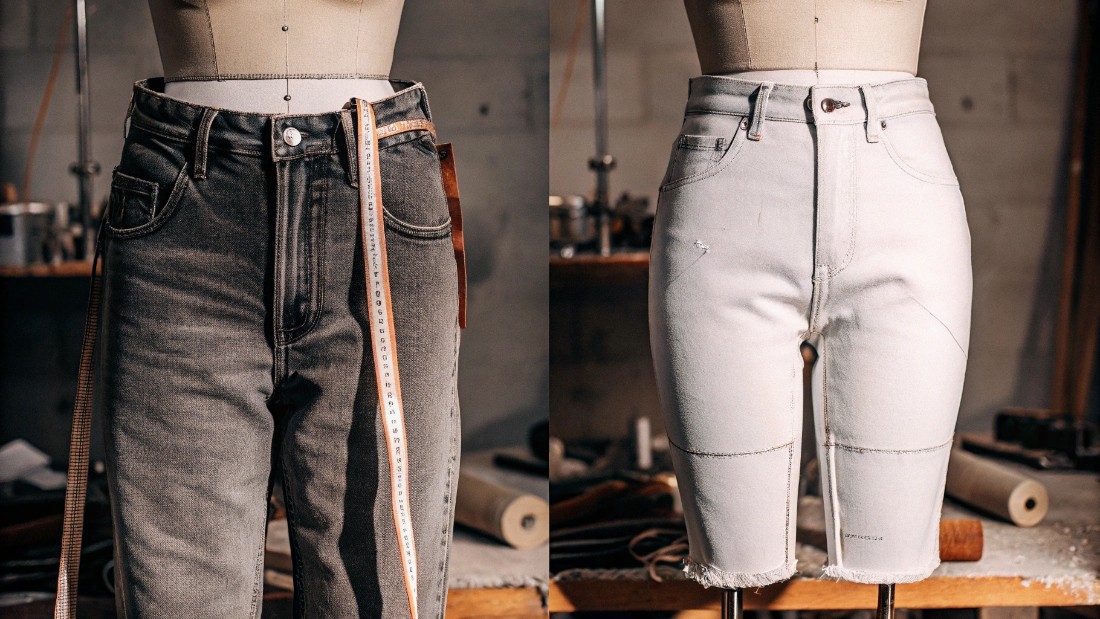
1. High-Impact Alterations
a. Waist Taking-In
Common if off-the-rack jeans gape at the back; a tailor can remove up to 4 inches without distorting side seams.
Cost: $20–$35 per pair.
b. Inseam Hemming
Precision is key: target the exact length to graze your ankle or cover your shoe.
Blind-hem stitch gives a factory-finish look.
Cost: $10–$20.
c. Thigh & Knee Taper
Reshapes a straight or baggy leg into a slimmer profile; necessary for modern silhouettes.
Tailors can taper only below the knee to preserve hip room.
d. Rise Adjustment
Advanced: raising or lowering the front rise requires re-cutting the crotch seam—ask only if you have serious fit issues.
Cost: $40–$60.
2. Finding the Right Tailor
Ask local boutiques or denim shops for recommendations.
Look for specialists in bridal wear or leatherwork—they often have the precision needed for thick denim.
Read Yelp and Google reviews specifically mentioning jeans alterations.
3. Communicating Your Needs
Bring the jeans, a belt you love, and a reference photo or a friend wearing your ideal fit.
Have a fitting session: wear the shoes you plan to use with the jeans and stand in your usual posture.
Pin carefully and ask to see the pinned position from all angles.
4. Cost vs. Value Analysis
Alteration Cost as a Percentage of Retail Price:
| Alteration Type | Avg. Cost | Jeans MSRP | % of MSRP |
| Waist Taking-In | $25 | $80 | 31% |
Inseam Hemming | $15 | $80 | 19% |
| Thigh Taper | $30 | $80 | 31% |
| Investing 20–30% of the retail price in alterations often extends wearability by years—far more cost-effective than replacing ill-fitting pairs. |
Maintaining the Fit—Why Jeans Stretch, Bounce Back, and When to Re-Adjust
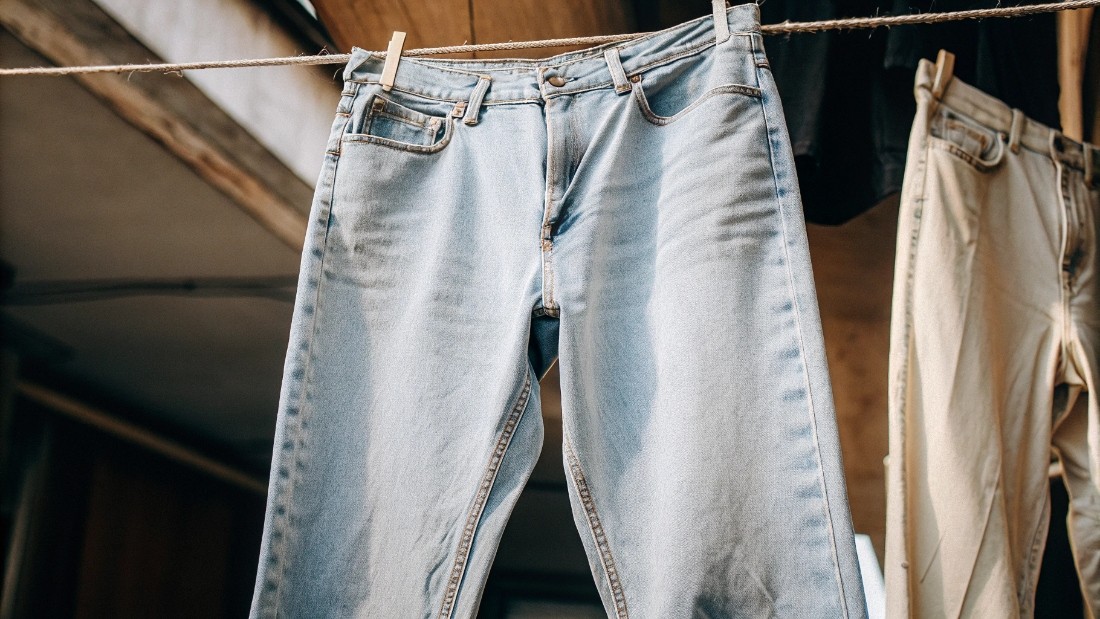
Jeans stretch because cotton fibers relax under tension and elastane temporarily elongates. To maintain fit, wash sparingly in cold water, air-dry flat, and use a denim-specific detergent. If your jeans start sagging at the knees or waist after six months of regular wear, consider a quick waist cinch or hem re-press. Keep a tailor on speed-dial for seasonal re-adjustments—especially if weight fluctuations occur.
1. The Science of Stretch and Recovery
Cotton Fibers: Natural fibers gradually relax when repeatedly stressed, causing seat bag and knee sag.
Elastane/Spandex: Offers immediate stretch but can lose elasticity if overheated or overwashed.
2. Washing & Care Routines
a. Frequency: Every 10–15 wears for rigid denim; 20–30 for high-stretch blends.
b. Method: Cold-water wash inside-out to preserve indigo and reduce fiber stress.
c. Detergent: pH-neutral, no bleach—denim-specific soaps help maintain fiber integrity.
d. Drying: Air-dry flat or hang by the waistband to avoid shrinking leg openings.
3. Spot Cleaning & Refreshing
Use a wet cloth for small stains; spray with diluted vinegar solution to deodorize.
Freeze jeans in a sealed bag overnight to kill odor-causing bacteria without a full wash.
4. Monitoring Fit Over Time
Track measurements every 3–6 months: waist, hip, thigh, knee.
Keep an alteration log: note how many inches were let out or taken in.
If waist expands by more than 1 inch, schedule a quick tuck.
5. When to Retouch or Re-Alter
Waist sag after 50 wears: consider a discreet elastic re-thread.
Hem loosening: re-press or re-stitch blind hems.
Knee bag: taper from the knee down to restore a slim line.
6. Proactive Habits for Denim Longevity
Rotate between 2–3 pairs to reduce wear frequency.
Invest in a cedar hanger or breathable storage to prevent mildew.
Avoid sitting on abrasive surfaces (concrete, rough wood) that accelerate fiber breakdown.
Conclusion and Call to Action:
Now that you’ve mastered everything from pre-purchase measurements to pro-level alterations and care routines, you’re fully equipped to conquer off-the-rack fit frustrations once and for all. If you’re ready to elevate your denim game with expertly crafted, customizable jeans, reach out to DiZNEW today.
With over 20 years of denim R&D and manufacturing expertise, DiZNEW offers plus sizes, baggy, skinny, selvedge, jogger styles—and even full custom OEM/ODM solutions to bring your brand’s logo and design sketches to life. Whether you’re a boutique owner, an online retailer, or a designer launching your first collection, DiZNEW can handle orders from 30 pieces to 10,000+ units with precision and speed. Contact us now to start your custom denim journey—and fit your jeans perfectly, every time.
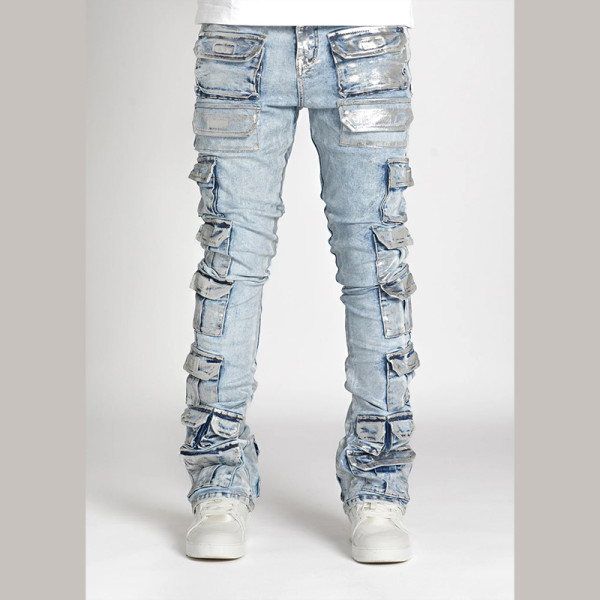
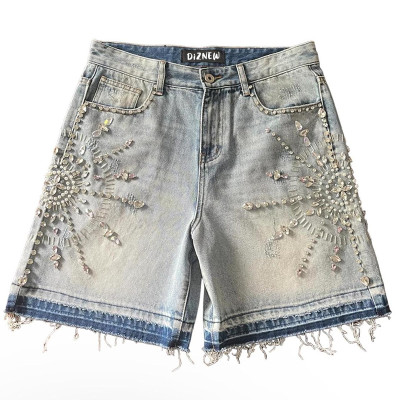
Silver foil cargo jeans with a distressed wash and multi-pocket design, perfect for high-street fashion.
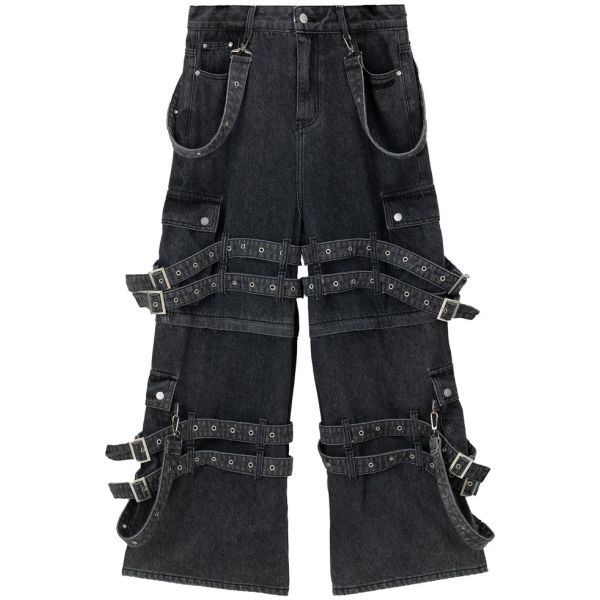
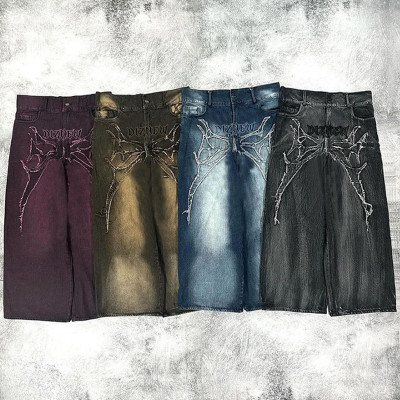
Edgy black denim jeans with buckle straps, metal eyelets, and a wide-leg fit for a bold gothic punk streetwear look.

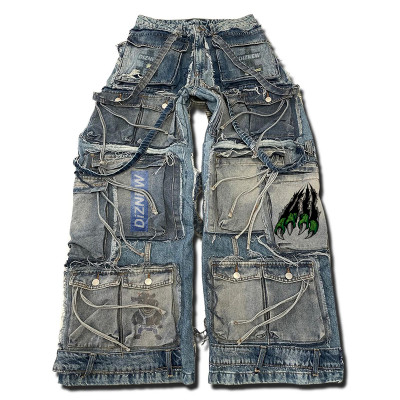
Vintage black cargo denim jeans with multiple pockets, acid-wash finish, and a relaxed fit for ultimate streetwear style.
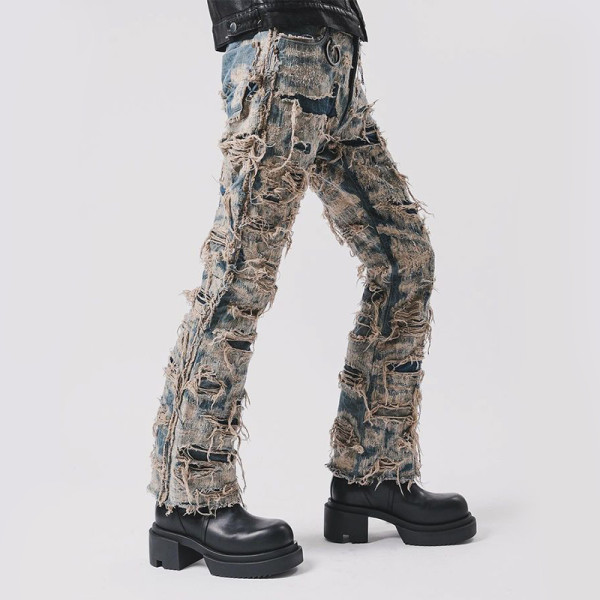
Experience unmatched durability and style with our custom double layer embroidered denim jeans featuring blue patches.