How often do you buy new jeans and throw out old ones?
Most people do not throw away jeans because they are “old.” They throw them away when something about the jeans stops working: the crotch rips, the waistband stretches out, the knees bag, the wash fades badly, the fit no longer matches their body, or the style no longer feels like them. That makes jeans different from many other clothing items. A good pair can become a daily uniform. A bad pair can become landfill after only a few months. So the real question is not just how often you should buy new jeans, but how to buy jeans that deserve to stay in your closet longer.
You should buy new jeans when your current pairs no longer fit, have repeated rips, lose stretch recovery, feel uncomfortable, or no longer match your lifestyle. There is no fixed replacement rule. A good pair can last years with proper fit, fabric, washing, repair, and rotation. Instead of throwing jeans away quickly, repair, donate, recycle, or upcycle them when possible.

This topic matters for consumers, but it also matters for denim brands. Every time a customer replaces a failed pair, they are quietly judging the old brand and looking for a better one. For startups, boutique owners, designers, and private-label denim brands, this creates a powerful opportunity: make jeans people keep longer, trust more, and rebuy happily.
How Often Should You Buy New Jeans?
You should buy new jeans when your current jeans no longer fit well, no longer support your lifestyle, or show damage that cannot be repaired. Buying frequency depends on wear habits, body changes, denim quality, washing, fashion preference, and how many pairs you rotate. A daily-wear pair may wear out faster than jeans worn once a week.
Buying Frequency by Lifestyle
| Customer Type | Buying Pattern | Why It Happens |
Daily denim wearer | Buys more often | More friction, washing, stretching, and fading |
Capsule wardrobe buyer | Buys less often | Chooses fewer, better, more versatile jeans |
Trend-driven shopper | Buys seasonally | Wants new silhouettes, washes, or styling |
Boutique customer | Buys by fit and style | Looks for reliable fit plus fresh product drops |
| Premium denim buyer | Buys selectively | Values fabric, construction, and long-term wear |
| Plus size customer | Rebuys when fit works | Fit trust is a major purchase driver |
Dive Deeper
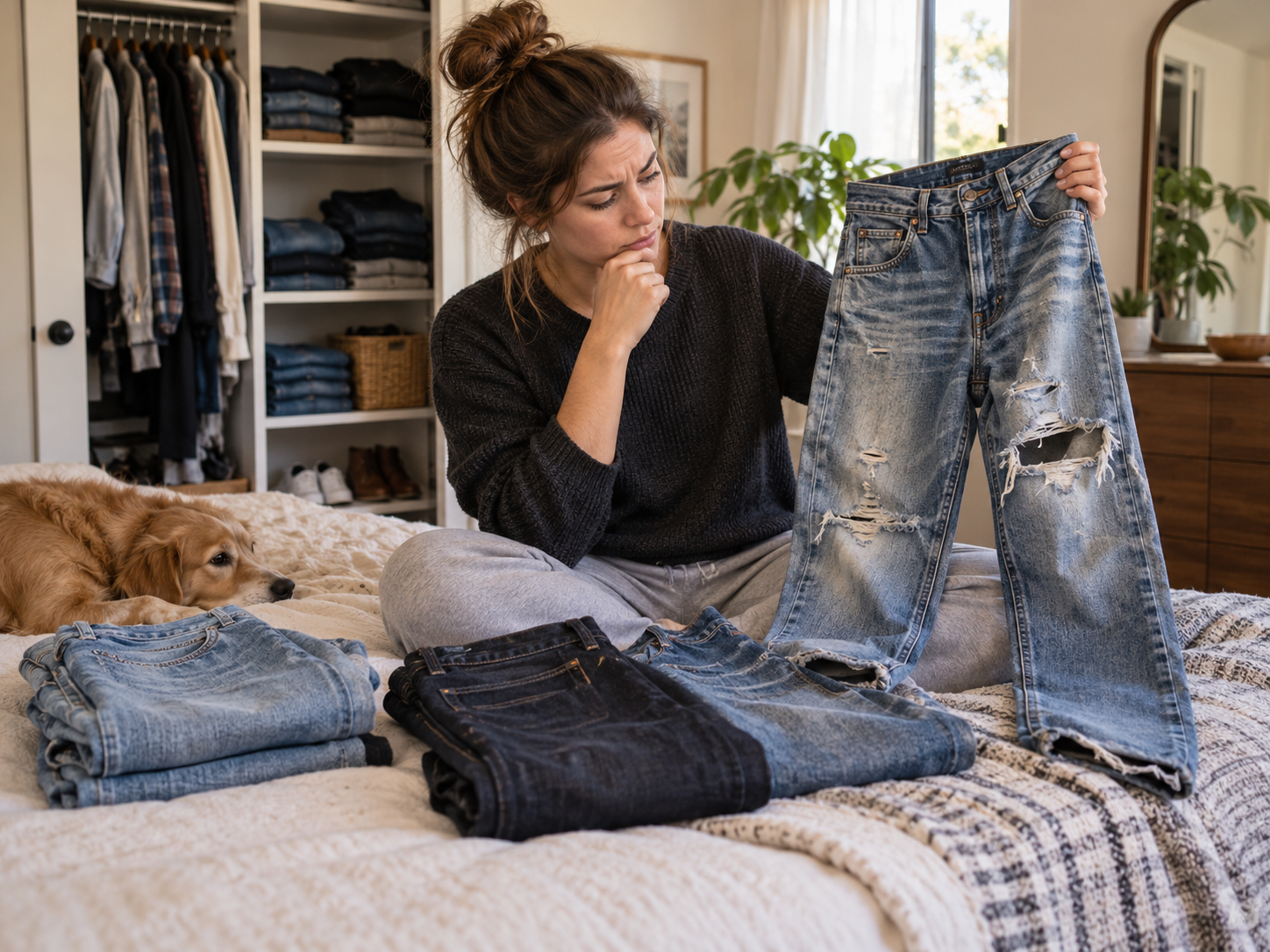
The better rule is condition-based replacement. Look at the fabric, seams, fit, stretch recovery, and comfort. Are the inner thighs thinning? Does the waistband stay up? Are the knees permanently baggy? Has the crotch been repaired more than once? Does the denim still feel strong, or does it feel weak and papery? Those signs tell you more than the age of the jeans.
Customers also buy new jeans for emotional reasons. A new fit can change how someone feels in their body. A new wash can refresh a wardrobe. A new trend—baggy jeans, stacked jeans, relaxed straight jeans, dark denim, washed black jeans—can make old pairs feel less relevant. This is not wasteful by itself; it becomes wasteful when the old jeans are thrown away too quickly and the new jeans are poorly made.
For brands, this means new jeans should not only look good on the product page. They should solve a real reason to buy: better fit, longer wear, cleaner wash, more inclusive sizing, stronger seams, better stretch recovery, or a more current silhouette. That is why DiZNEW focuses on custom denim development rather than generic jeans. The goal is not to push customers to replace jeans faster. The goal is to help brands create jeans worth buying—and worth keeping.
How Can the 3-3-3 Rule Help You Buy Jeans More Smartly?
The 3-3-3 rule is a capsule wardrobe method that uses three tops, three bottoms, and three pairs of shoes to create many outfit combinations. Jeans often become one of the most important “bottoms” in this system because they pair easily with casual, streetwear, smart-casual, and everyday outfits. This rule helps customers buy fewer, better jeans.
What is the 3-3-3 rule for clothing?
The 3-3-3 styling method is commonly described as choosing three tops, three bottoms, and three pairs of shoes to create a small mix-and-match wardrobe. The Everygirl describes it as a minimalist capsule wardrobe challenge using nine items to build many outfits. Some wardrobe guides also explain it as a way to reduce overbuying and make styling easier.
Dive Deeper
The 3-3-3 rule is useful because it changes the way people think about buying clothes. Instead of asking, “Do I like this pair of jeans?” it asks, “Can I actually wear this pair with the rest of my wardrobe?” That is a smarter question.
For example, one pair of medium-wash straight jeans can work with a white T-shirt, an oversized hoodie, a button-down shirt, a denim jacket, sneakers, boots, and loafers. One dark wash pair can work for casual Fridays, dinner, travel, and smart-casual outfits. One baggy or stacked pair can serve as the trend or streetwear piece. With only a few strong denim bottoms, a customer can build many looks without owning too much.
This is especially important for online boutique owners and denim startups. A customer may not need ten similar jeans, but they may want four clearly different denim functions: one everyday pair, one polished pair, one relaxed pair, and one statement pair. That gives a brand a smarter collection structure.
The 3-3-3 rule also helps brands avoid random product development. Instead of launching too many styles, a boutique denim brand can develop a small, tight collection around real wardrobe use. For example: a straight jean, a black jean, a baggy jean, and a denim jacket. This feels more complete than a scattered collection of unrelated samples.
For DiZNEW clients, this is where custom development becomes valuable. A brand can create an evergreen straight jean for repeated sales, a seasonal baggy jean for trend attention, a black denim style for smart-casual use, and a denim jacket or shorts as an upsell. The result is a denim line that looks intentional, not accidental.
How Long Should Jeans Last Before You Replace Them?
A good pair of jeans should last as long as the fabric, fit, seams, and comfort remain functional. Lifespan depends on fabric quality, wear frequency, washing, friction, construction, and repair habits. Replace jeans when fabric is badly thinning, holes keep returning, stretch recovery is gone, the waistband no longer fits, or repairs no longer hold.
What is the 2 finger test for jeans?
The 2 finger test is a quick waist-fit check. If you can fit about one or two fingers inside the waistband while the jeans stay secure, the waist is usually close to a comfortable fit. Recent fit guides describe one or two fingers inside the waistband as a practical sign that jeans are not digging in or gapping badly.
Dive Deeper
Jeans rarely fail all at once. They usually fail in specific zones: crotch, inner thighs, knees, belt loops, pockets, hems, waistband, or seams. These are high-use areas. The crotch and inner thighs face friction. Knees bend repeatedly. Pockets hold phones and keys. Belt loops are pulled. Hems drag on shoes or the ground. A brand that understands these stress points can design better jeans.
The 2 finger test is useful because poor waist fit can shorten denim life. Jeans that are too tight may stretch, pull at seams, or create crotch pressure. Jeans that are too loose may sag, rub, and wear unevenly. But the 2 finger test is only a starting point. A truly good fit also needs the right rise, hip shape, thigh room, seat curve, inseam, knee placement, and leg opening.
When should you throw jeans away? Not as quickly as most people think. A rip does not always mean the end. Small holes can be patched. Crotch wear can be reinforced. Hems can be repaired. Buttons and rivets can be replaced. A faded pair can become a casual or work pair. Old jeans can also be upcycled into shorts, bags, patchwork, or repair fabric.
However, some jeans are no longer worth saving. If the fabric is thin across a large area, if stretch fibers are dead, if repairs keep tearing, or if the fit keeps creating the same damage, replacement is reasonable. The important point is to replace with a better choice, not just another pair that will fail the same way.
For denim brands, this is a major trust opportunity. Customers remember jeans that lasted. They also remember jeans that failed too fast. Better fabric, stronger seams, good fit, and honest care guidance turn replacement into loyalty instead of disappointment.
How Can Washing, Wearing, and Care Make Jeans Last Longer?
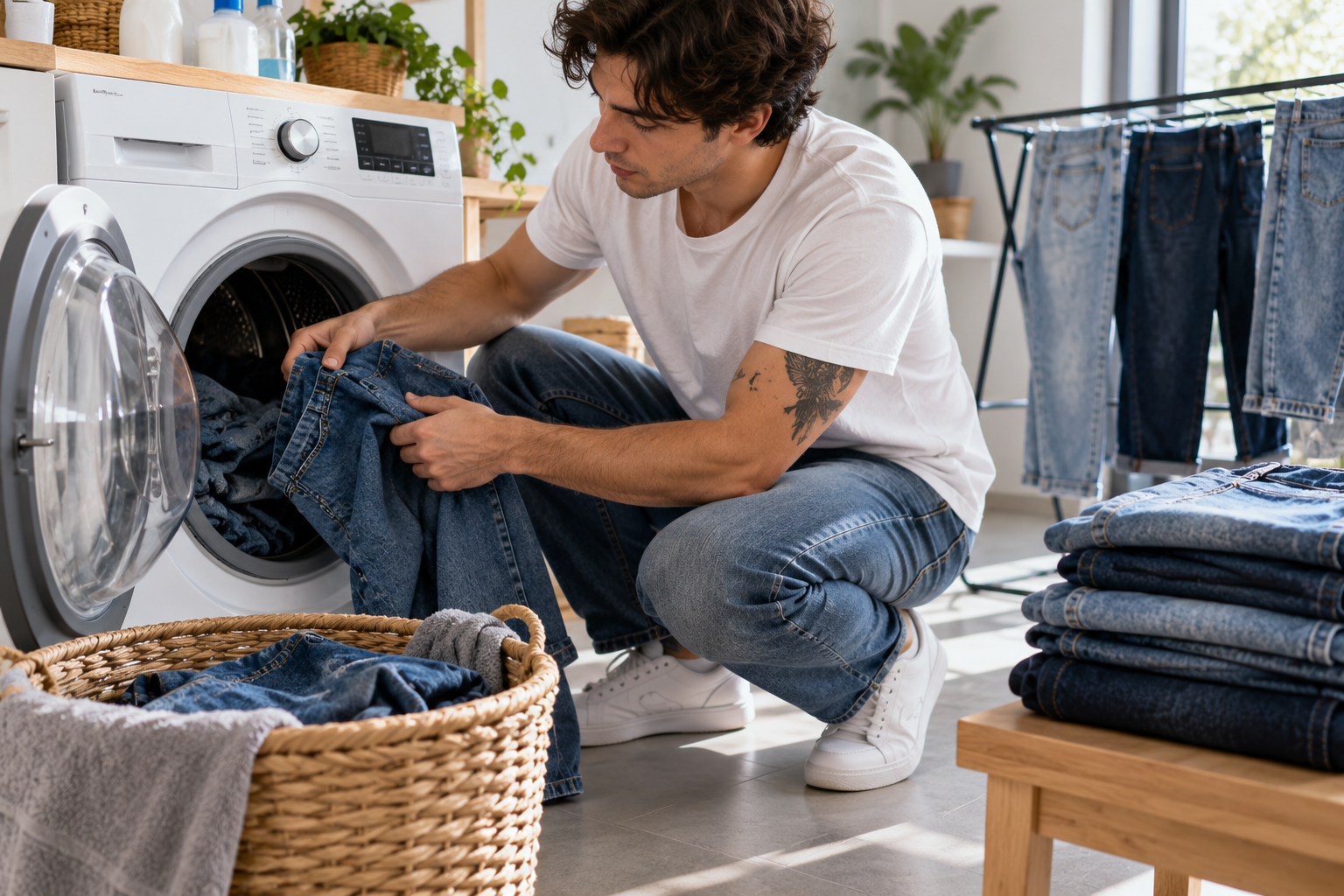
Washing, wearing, and care strongly affect how long jeans last. Jeans usually do not need washing after every wear unless they are dirty, sweaty, stained, or smelly. Cold water, inside-out washing, gentle cycles, shade drying, pair rotation, and early repairs help reduce fading, shrinkage, fiber stress, white streaks, baggy knees, and seam damage.
Dive Deeper
Washing is one of the biggest hidden factors in denim lifespan. Too much washing can fade color, stress cotton fibers, and weaken finishes. Too little washing can also create problems if dirt, sweat, and grit build up in high-friction areas. The balanced approach is simple: wash when needed, but wash gently.
The dryer is another major issue. High heat can shrink cotton and may affect stretch fibers over time. For stretch jeans, repeated high heat can reduce recovery, which leads to baggy knees, loose waistbands, and sagging seats. Air drying is slower, but it is usually safer for denim shape and color.
Daily wear also matters. Wearing the same jeans every day gives fabric no recovery time. The inner thighs, crotch, knees, and waistband take constant pressure. Rotating between pairs spreads out the stress. This is especially useful for customers who wear jeans for work, travel, walking, cycling, or long sitting.
Care education should be part of a brand’s product strategy. A customer who washes jeans incorrectly may blame the brand when fading, shrinkage, or white streaks appear. Clear care labels, product-page washing tips, and post-purchase emails can reduce avoidable complaints.
For DiZNEW clients, care instructions can also match the specific denim product. Black jeans need guidance to reduce white streaks. Stretch jeans need heat warnings. Selvedge jeans need break-in education. Baggy jeans may need storage and washing advice to preserve shape. Denim jackets, shorts, and shirts have their own care logic too. Better care content makes the brand feel more professional and helps customers keep jeans longer.
What Should You Do With Old Jeans Instead of Throwing Them Away?
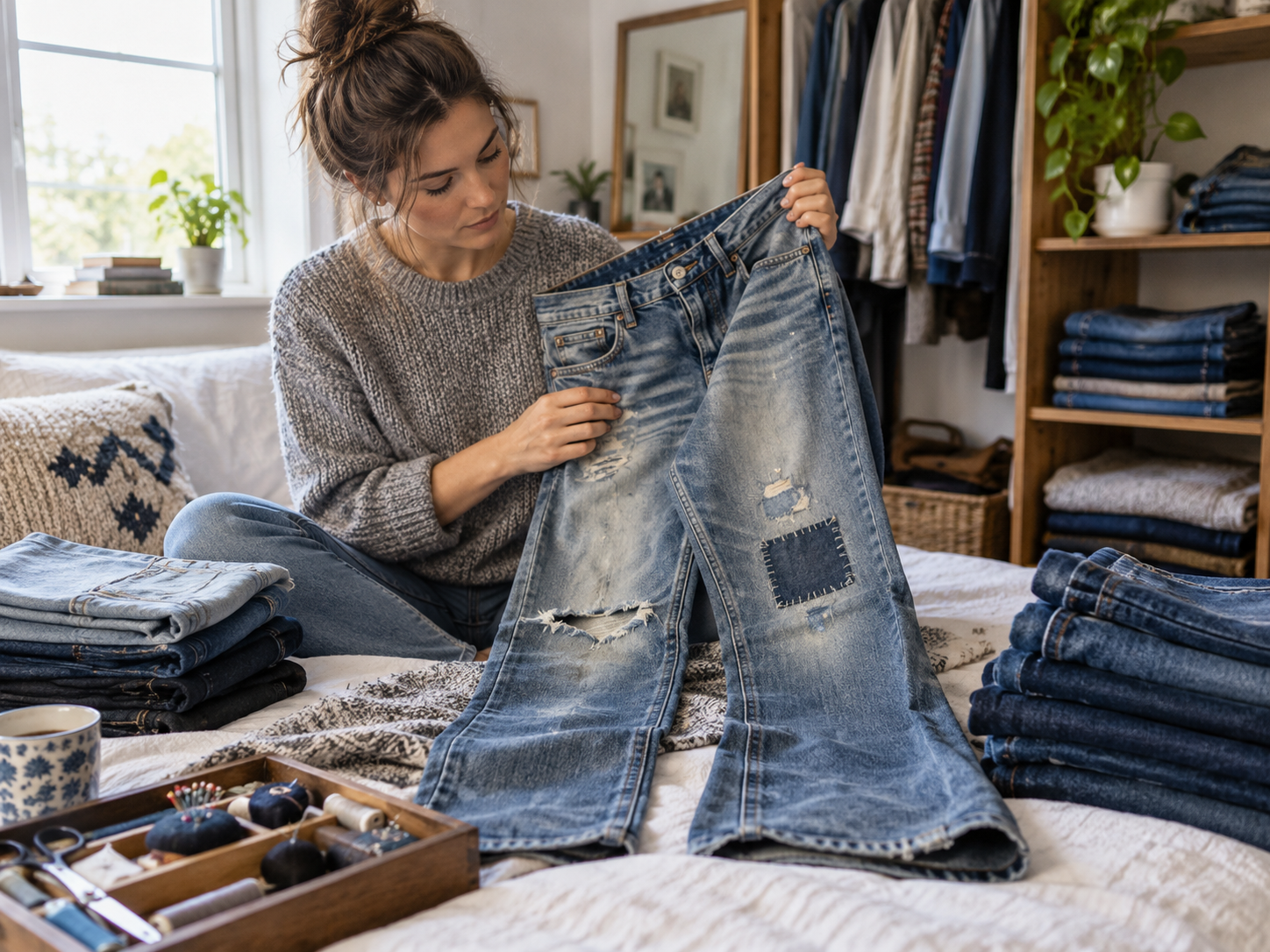
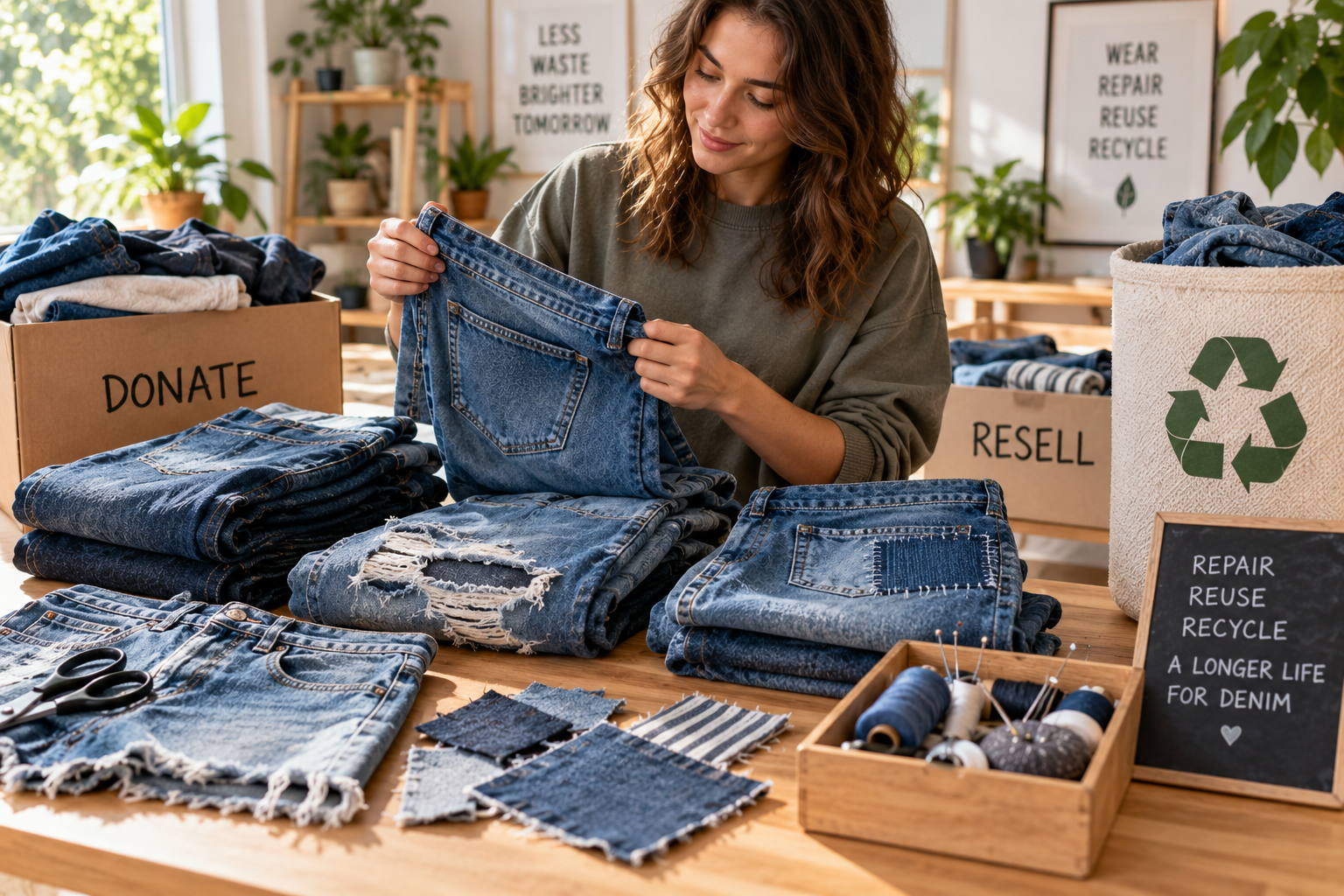
Old jeans should not automatically go into the trash. If they are wearable, they can be donated, resold, or kept for casual use. If damaged, they can often be repaired, patched, turned into shorts, reused as fabric, or recycled where textile programs exist. Throwing away repairable jeans adds to the global textile-waste problem.
Dive Deeper
Throwing away jeans may feel like a small action, but at scale it becomes a serious waste issue. Denim is durable, and that durability means old jeans often still have value even after they are no longer perfect. A ripped knee can become a design feature. A worn crotch can be patched. A too-long hem can be adjusted. A faded leg panel can become repair fabric.
Repair is especially important for denim because jeans often wear out in predictable areas. Inner-thigh damage, crotch blowouts, pocket tears, belt loop damage, and hem fraying are common. Many of these issues can be repaired if caught early. The problem is that customers often wait until the fabric is too weak, then assume the jeans are finished.
Upcycling is another strong option. Old jeans can become denim shorts, tote bags, patchwork jackets, aprons, accessories, or fabric patches for other jeans. For denim lovers, old fabric has character that new fabric cannot fake.
Brands should not fear teaching customers to keep jeans longer. Some businesses worry that durability reduces repeat purchases, but in denim the opposite can happen. When customers trust a brand’s quality, they come back for another fit, another wash, another seasonal drop, or another product category. The repeat purchase comes from trust, not failure.
This is also a smart SEO and brand-positioning opportunity. Content about how to repair jeans, how long jeans last, how often to wash jeans, and what to do with old jeans brings in customers who care about value. Those customers are often better long-term buyers because they understand quality.
DiZNEW supports brands that want to build this kind of trust through stronger construction, better fabric choice, practical washing guidance, and custom denim development designed for real customer use.
How Can Denim Brands Design Jeans Customers Keep Longer and Rebuy Happily?
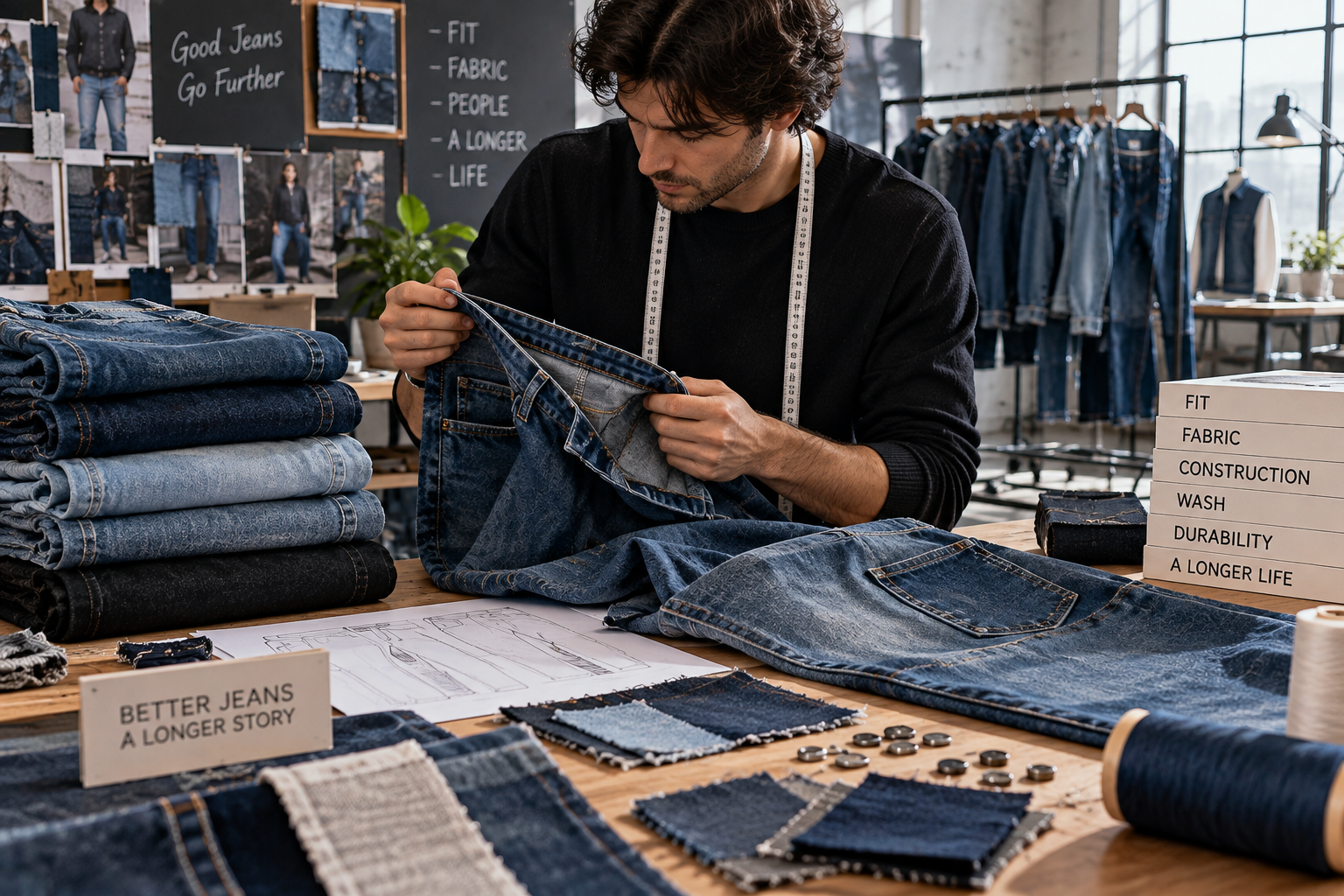
Denim brands can create jeans customers keep longer by focusing on reliable fit, strong fabric, durable seams, stable wash, good stretch recovery, clear care guidance, and repair-friendly construction. Customers rebuy jeans when they trust the fit, like the wash, feel comfortable, and believe the brand understands their real problems—not just trends.
Dive Deeper
The strongest denim brands understand that customers do not buy new jeans only because old ones are destroyed. They also buy because they want a new silhouette, a new wash, a seasonal update, a different styling mood, or a better version of a fit they already love. That means replacement can be positive when it is based on desire and trust, not frustration.
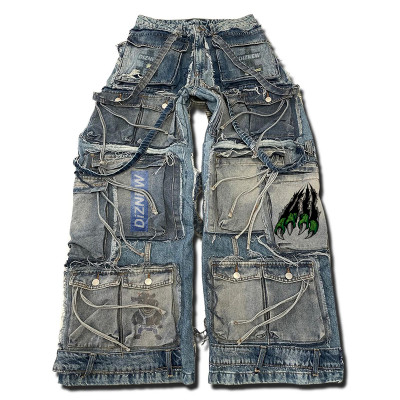
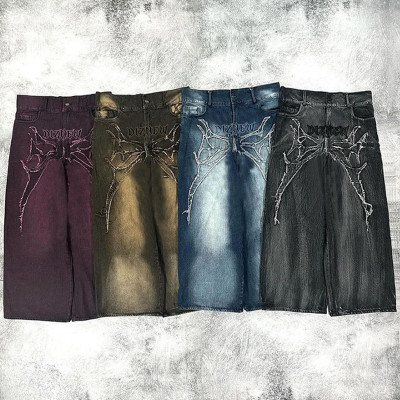
A good denim collection should usually include core styles and fresh styles. Core styles create repeat orders: straight jeans, dark wash jeans, black jeans, plus size jeans, or clean everyday denim. Fresh styles create attention: baggy jeans, stacked jeans, cargo denim, vintage washes, distressed effects, seasonal shorts, or statement jackets. The balance helps brands avoid relying only on trend hype.
Testing is essential before bulk production. Brands should test fabric strength, shrinkage, stretch recovery, seam strength, washing performance, colorfastness, fit after movement, high-friction zones, and plus size grading if needed. These tests reduce returns and improve reviews. A jean that looks great in a sample photo but fails after washing is not a strong product.
DiZNEW is a China-based denim R&D, manufacturing, and sales factory with more than 20 years of experience. We mainly serve U.S. small and medium buyers, high-end brand clients, denim designers, online boutique owners, and influencer-led shops that need custom or OEM/ODM denim under their own logo.
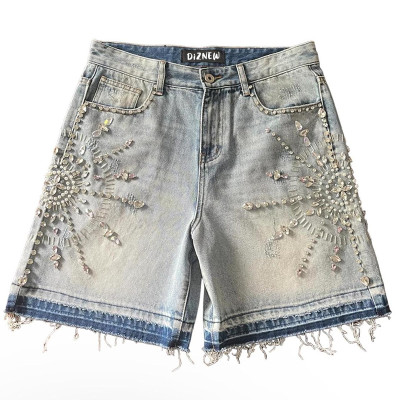
DiZNEW can customize fabric, wash, fit block, rise, thigh room, crotch curve, waistband, inseam, leg opening, stitching, labels, buttons, rivets, leather patches, hang tags, packaging, and more. Our product range includes plus size jeans, baggy jeans, stacked jeans, straight jeans, selvedge jeans, skinny jeans, jogger jeans, denim jackets, denim shorts, denim shirts, and other custom denim products.
With MOQ starting from 30 pieces per design and capacity for larger orders up to 10,000 pieces, DiZNEW helps brands test small, improve products, and scale successful denim styles. This is especially useful for startups and boutique owners who want to avoid dead inventory while still building a real denim brand.
To create longer-lasting custom jeans that customers keep, love, and rebuy, contact DiZNEW today to request a quote, develop a sample, and start building denim products with better fit, better quality, and stronger customer trust.
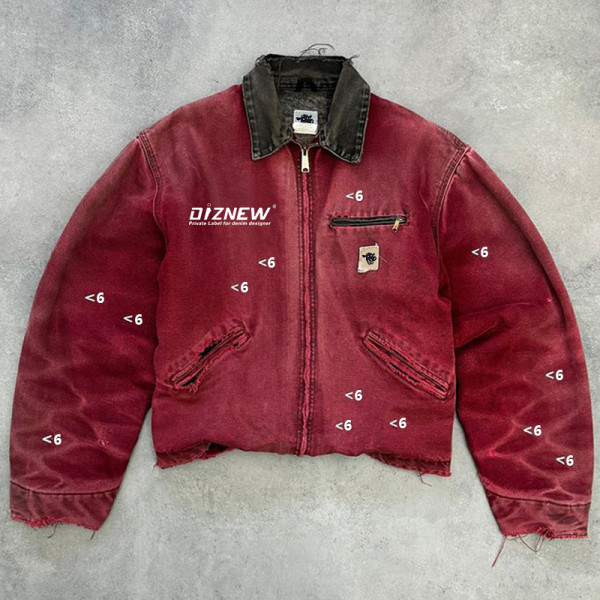
Discover this unique washed red canvas jacket featuring distressed details and vintage workwear aesthetics, perfect for bold fashion statements.
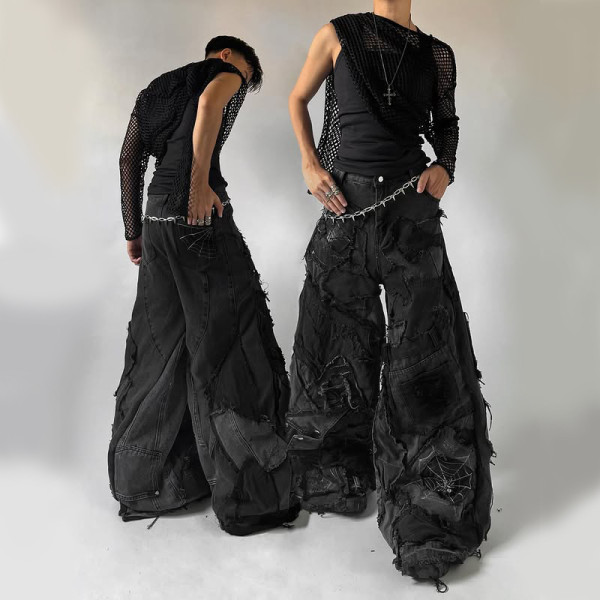
Wholesale Custom Black Wide Leg Jeans - Tailored Denim for Brands. Enjoy OEM/ODM services to elevate your design.
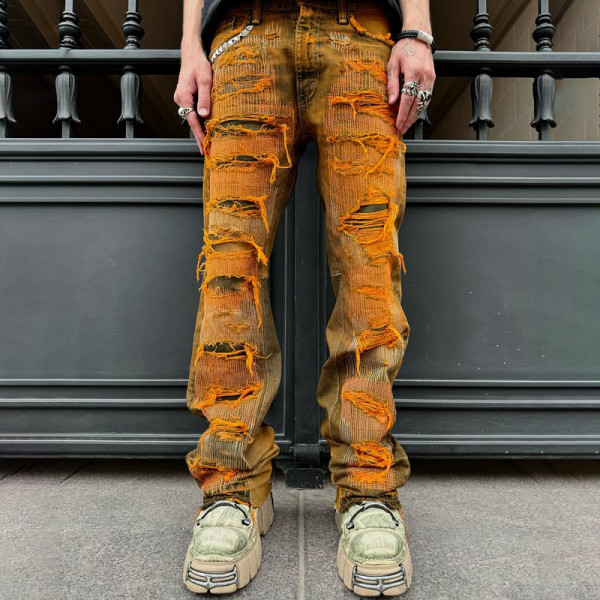
Discover Custom OEM/ODM Mud Yellow Distressed Jeans designed for brands and wholesalers, blending style with top-notch craftsmanship.
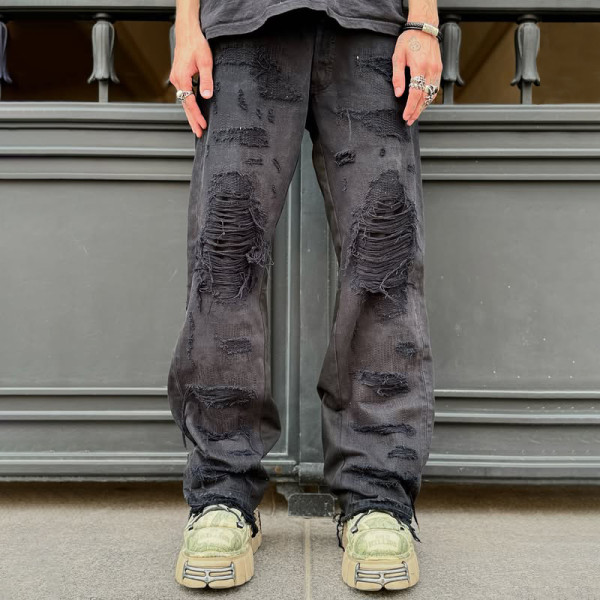
Wholesale Custom Loose Fit Distressed Grey Denim Jeans - Premium OEM/ODM services for tailored styles that fit your brand.