How many days can jeans be worn?
Most people have a simple relationship with jeans: put them on, wear them, wash them, and repeat. But denim experts, fashion designers, and long-time jean lovers know that jeans are not like regular clothing. A good pair of jeans is actually designed to become better with time. The color fades naturally, the fabric adapts to your body shape, and the jeans gradually develop a unique character that reflects your lifestyle.
However, one question continues to confuse many denim owners: How many days can you wear jeans before washing them?
Some people wash their jeans after every single wear because they believe it is cleaner. Others wear the same pair for weeks because they want to preserve the original color and fabric strength. So, who is right?
The answer is not simply about counting days. The ideal wearing frequency depends on several factors, including the type of denim, fabric weight, climate, your daily activities, sweating level, and how much you care about maintaining the original appearance of your jeans.
For example, a lightweight stretch denim jean worn in a hot summer city may need washing much sooner than a heavyweight selvedge denim jean worn indoors during winter. A construction worker wearing jeans outdoors every day will have a completely different washing schedule compared with someone wearing premium jeans in an office environment.
In general, jeans can usually be worn 5–10 times before washing. Many people can comfortably wear jeans for 3–7 days, while high-quality raw denim or selvedge jeans may be worn for several weeks with proper care. The right washing frequency depends on odor, stains, sweat, and fabric condition rather than a fixed number of days.
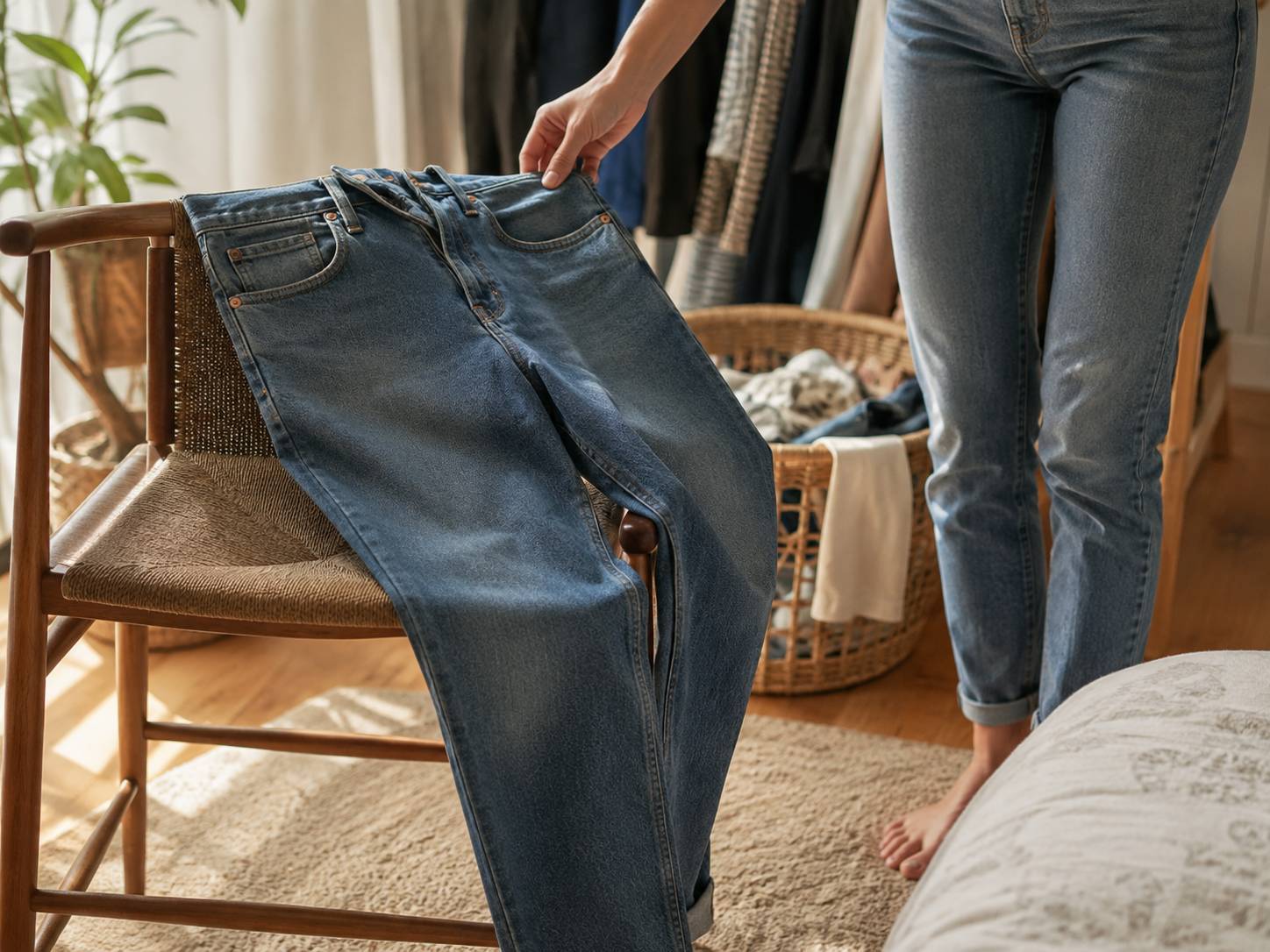
The interesting thing about denim is that many of the “rules” people believe are actually changing. Modern premium denim brands, designers, and manufacturers are focusing more on durability, sustainability, and long-lasting wear. Consumers are no longer only asking, “How often should I wash my jeans?” They are also asking, “How can I make my jeans last longer?”
Imagine buying a pair of custom-made jeans designed specifically for your body shape, using premium denim fabric, with carefully selected stitching and finishing. Would you want that pair to lose its color and structure after only a few months? Probably not. This is why understanding denim care is not only about hygiene — it is about protecting the value, craftsmanship, and story behind every pair of jeans.
How Many Days Can You Wear Jeans Before Washing Them?
Most jeans can be worn around 5–10 times before washing, which means many people can wear the same pair for 3–7 days depending on their lifestyle. However, jeans worn in hot, sweaty, or dirty environments should be washed sooner, while premium denim can often be worn much longer with proper care.
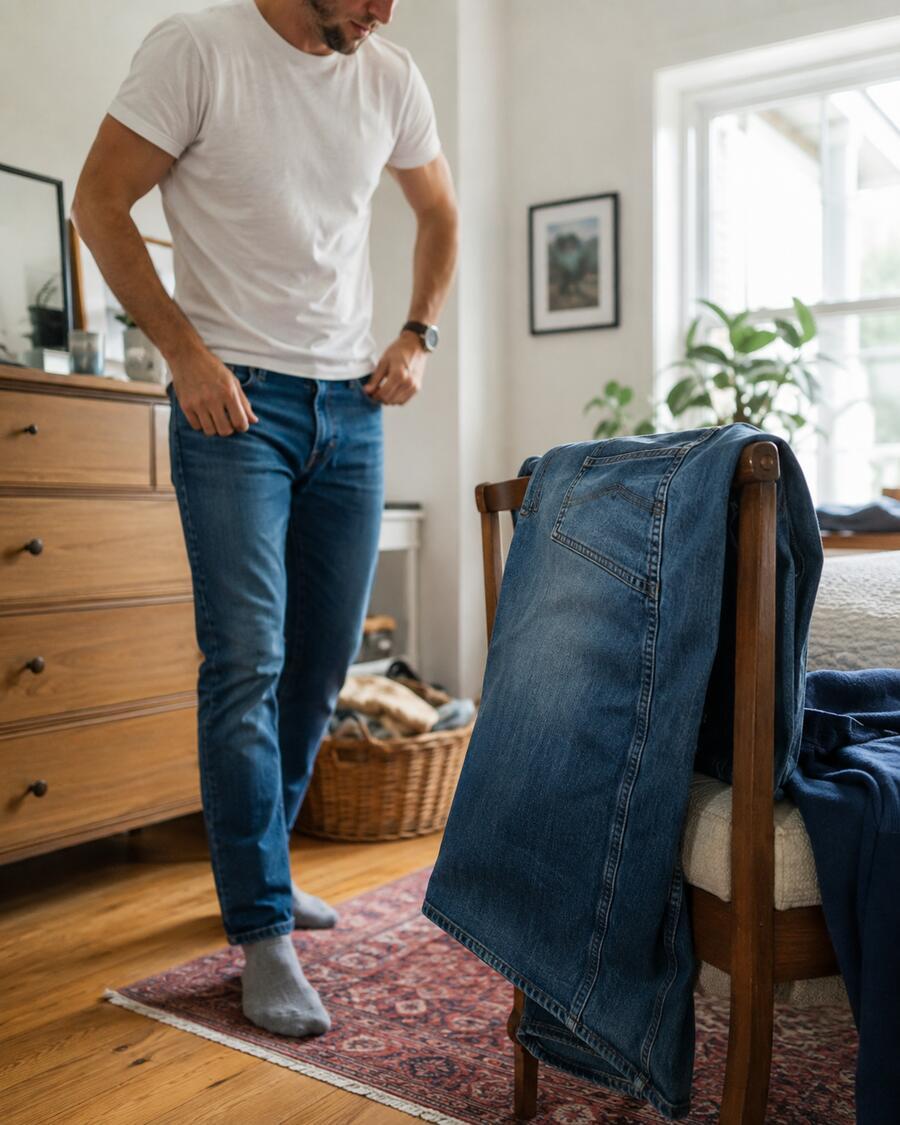
Is It Okay to Wear Jeans for 3 Days?
Yes, wearing jeans for 3 days is generally acceptable if they remain clean, comfortable, and odor-free. For people working in offices, studying, traveling, or spending most of their time indoors, wearing the same pair of jeans for three consecutive days is common and does not usually damage hygiene or comfort.
The reason is simple: denim fabric is naturally more durable and less sensitive to repeated wear compared with materials such as underwear, shirts, or socks. Jeans do not directly absorb as much moisture from the body, especially when they are made with heavier cotton fabrics.
However, the answer changes depending on your environment.
| Wearing Situation | Recommended Frequency |
| Office work | 3–7 days |
| Casual daily wear | 5–10 wears |
| Hot weather | 2–5 days |
Outdoor activities | Wash more frequently |
Heavy physical work | After heavy use |
Raw denim enthusiasts | Several weeks possible |
For example, someone wearing straight jeans in a climate-controlled office may comfortably wear them Monday, Tuesday, and Wednesday without washing. But someone wearing skinny jeans during a hot summer commute may experience more sweat accumulation because the tighter fit reduces airflow.
Another important factor is the denim composition. A pair of premium cotton jeans with good breathability usually handles repeated wear better than low-cost denim with poor-quality fibers.
This is why professional denim manufacturers pay close attention to fabric selection. The difference between ordinary jeans and premium jeans is not only the appearance — it is also how the fabric behaves after repeated wearing.
A well-designed pair of jeans considers:
Fiber quality
Fabric density
Stretch recovery
Sewing construction
Garment finishing
Comfort after long hours of wear
For brands and designers creating custom jeans, these details directly influence customer satisfaction. A customer who buys premium jeans expects them to maintain shape, comfort, and appearance after repeated use.
Can You Wear Jeans for 5 Days Without Washing Them?
Yes, many people can wear jeans for 5 days without washing them, especially when the jeans are used in normal daily situations. In fact, many denim enthusiasts intentionally avoid washing jeans too frequently because excessive washing can reduce fabric lifespan and remove natural fading patterns.
The key question is not:
“Have I worn these jeans for five days?”
The better question is:
“Are these jeans still clean, fresh, and comfortable?”
If the answer is yes, there is usually no urgent reason to wash them.
Five-day wear is especially common among:
Denim collectors
Fashion professionals
Raw denim users
People wearing premium selvedge jeans
Consumers who prefer sustainable clothing habits
Raw denim, for example, is often worn for extended periods before the first wash because the wearer wants the fabric to develop personalized fading. The areas that experience the most movement — such as the knees, thighs, and pockets — gradually create unique patterns.
This natural aging process is one reason premium denim has become popular among fashion brands and boutique retailers.
A designer creating a custom denim collection may choose different fabrics depending on the intended customer:
| Customer Type | Recommended Denim Choice |
| Streetwear customers | Heavyweight denim, baggy fits |
Premium buyers | Selvedge denim |
Everyday consumers | Mid-weight stretch denim |
Plus-size customers | Comfortable stretch fabrics |
| Fashion-forward customers | Stacked or unique constructions |
The ability to wear jeans longer also depends on garment quality. Cheap jeans may lose shape after several wears because the fabric cannot recover properly. High-quality jeans maintain structure because better materials and construction methods are used.
For brands selling jeans online, durability is especially important. Online customers cannot physically touch the product before purchase, so product reviews often depend heavily on questions like:
Does the fabric feel premium?
Do the jeans keep their shape?
Will they last more than one season?
Are they worth the price?
This is why experienced denim manufacturers focus not only on producing attractive designs but also on creating jeans that customers can enjoy for years.
How Long Is Too Long to Wear Jeans?
There is no universal number of days that is considered “too long” to wear jeans. The right time to wash depends on visible dirt, smell, comfort, and how the jeans are being used.
Generally, jeans should be washed when:
They develop noticeable odor
There are visible stains
The fabric feels uncomfortable
Sweat buildup affects comfort
The jeans lose freshness
Some people misunderstand denim care and believe that never washing jeans is always better. This is also incorrect.
While reducing unnecessary washing helps protect denim, completely ignoring hygiene can damage both the garment and the wearer’s experience.
The goal is balance.
Good denim care means:
Wear enough to enjoy the character of the jeans, but wash when the fabric actually needs cleaning.
For example:
A customer wearing baggy jeans casually on weekends may comfortably wear them for several weeks.
A customer wearing skinny jeans every day in a humid city may need much more frequent washing.
A customer wearing work jeans in a warehouse environment may need to clean them after only a few wears.
The denim industry understands this difference clearly. This is why professional manufacturers develop different denim categories for different customer needs.
For example:
Heavyweight denim for durability
Stretch denim for comfort
Vintage washes for fashion appearance
Raw denim for aging effects
Functional denim for active lifestyles
A successful denim brand does not simply sell jeans. It creates jeans designed around how customers actually live.
Why Should You Avoid Washing Jeans Too Frequently?
Washing jeans too frequently can shorten their lifespan by weakening denim fibers, fading indigo color, and changing the original fit. Most jeans do not need to be washed after every wear. A better approach is to wash them only when they become dirty, develop odor, or lose freshness.
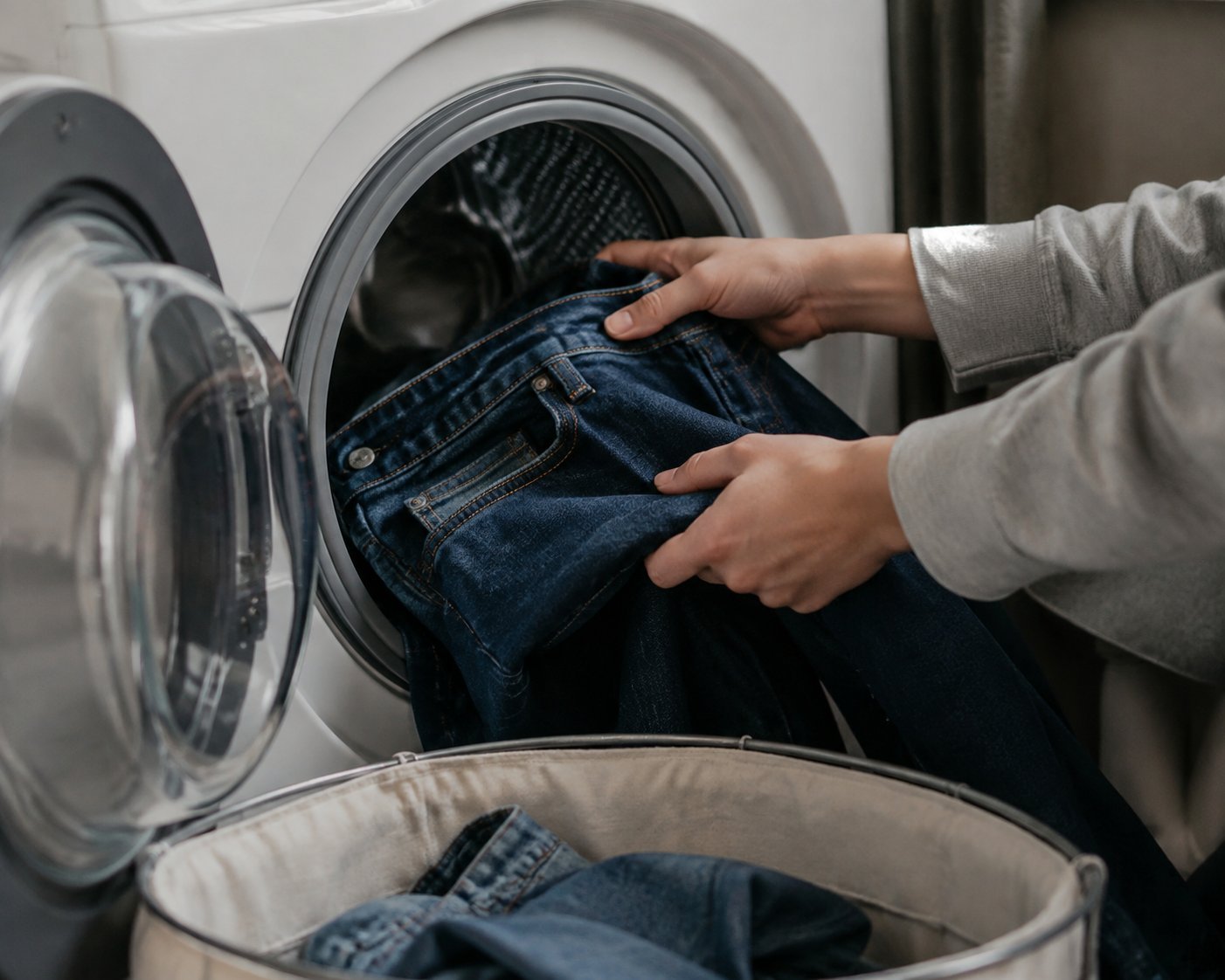
Does Washing Jeans After Every Wear Damage Them?
Yes, washing jeans after every wear can gradually damage the fabric, especially when using hot water, strong detergents, or tumble drying. While washing is necessary to maintain cleanliness, unnecessary washing accelerates the natural aging process of denim.
Many consumers assume that frequent washing keeps jeans “new,” but denim does not work the same way as delicate clothing. Jeans are designed to experience movement, friction, and natural aging. The problem is not washing itself — the problem is excessive washing.
Every washing cycle creates mechanical stress on the fabric. During washing:
The fibers absorb water and expand.
The washing machine creates friction between garments.
Detergents remove oils and dyes from the fabric.
Heat from dryers causes shrinkage and fiber stress.
Over time, these repeated processes can cause several changes.
| Frequent Washing Effect | Impact on Jeans |
| Indigo fading | Jeans lose their original color faster |
| Fiber weakening | Fabric becomes thinner over time |
Shape change | Jeans may lose their original fit |
Stretch recovery reduction | Stretch jeans may become loose |
Surface damage | Fabric texture becomes rougher |
This is especially important for premium denim products.
For example, a pair of selvedge jeans is often purchased because of its unique weaving technique, durability, and ability to develop beautiful fading patterns. If washed too frequently, the natural aging process becomes less noticeable because the indigo disappears evenly instead of creating personalized wear patterns.
This is why many denim collectors follow a different philosophy:
Do not wash jeans because the calendar says so. Wash jeans because they need it.
This mindset is common among people who appreciate craftsmanship and premium denim quality.
Why Do Denim Experts Recommend Less Frequent Washing?
The recommendation to wash jeans less frequently is not simply a fashion trend. It is connected to how denim fabric is engineered.
Traditional denim was originally created as durable workwear. Workers needed clothing that could survive demanding environments, repeated movement, and long-term use. Modern premium denim continues this philosophy by focusing on durability and performance.
A high-quality pair of jeans is expected to:
Maintain shape
Resist tearing
Improve with age
Become more comfortable over time
Less frequent washing helps preserve these characteristics.
For example, raw denim jeans are often made from untreated denim fabric. Unlike pre-washed jeans, raw denim has not gone through industrial washing processes. This allows the wearer to create natural fading based on their own lifestyle.
Someone who carries a wallet in the back pocket will create different fading from someone who keeps their pockets empty.
Someone who rides a bicycle every day will develop different knee and thigh patterns compared with someone who works at a desk.
The jeans become a personal record of daily life.
This emotional connection is one reason premium denim remains popular among fashion enthusiasts, designers, and boutique brands.
How Does Less Frequent Washing Help Jeans Last Longer?
Wearing jeans longer between washes can significantly improve their lifespan when combined with proper care.
A simple comparison:
| Washing Habit | Expected Impact |
| Wash after every wear | Faster fading and higher fabric stress |
| Wash every 3–5 wears | Balanced cleaning and preservation |
| Wash every 5–10 wears | Good balance for most users |
Extended wear with proper care | Best for raw and premium denim |
However, washing frequency is only one part of durability.
The lifespan of jeans depends on multiple factors:
1. Denim Fabric Quality
Not all denim is created equally.
Two jeans may look similar but perform completely differently because of differences in:
Cotton quality
Yarn strength
Fabric weight
Weaving technology
Stretch fiber percentage
For example, heavyweight denim often provides stronger abrasion resistance, making it suitable for streetwear styles such as:
Baggy jeans
Wide-leg jeans
Vintage-inspired denim
Meanwhile, lightweight stretch denim may prioritize comfort for:
Skinny jeans
Slim-fit jeans
Everyday casual wear
2. Construction Quality
The way jeans are manufactured directly affects how long they last.
Important construction details include:
Stitch density
Reinforced seams
Pocket construction
Zipper quality
Waistband strength
Hardware durability
A professional denim factory understands that durability is not created by one single element. It is the result of combining the right fabric, design, and production techniques.
For brands developing custom jeans, this is especially important because customers judge the product experience after months of use, not only when they first receive the package.
A beautiful design that fails after a few wears creates negative reviews.
A well-made pair of jeans can create repeat customers for years.
3. Proper Fit
Many people overlook the relationship between fit and durability.
A poorly fitted pair of jeans experiences unnecessary stress.
For example:
Jeans that are too tight create pressure around the crotch area.
Jeans that are too loose may experience excessive friction.
Incorrect sizing can damage seams faster.
This is why custom denim production has become increasingly popular among independent brands and online boutiques.
A manufacturer that understands different body types can help brands create better-fitting products, including:
Plus size jeans
Men's oversized jeans
Women's custom jeans
Streetwear denim
Premium designer jeans
How Can You Keep Jeans Fresh Without Washing Them Every Time?
You can keep jeans fresh between washes by airing them out, removing stains immediately, storing them properly, and allowing the fabric to recover between wears. Simple maintenance methods can reduce unnecessary washing while keeping jeans comfortable and clean.
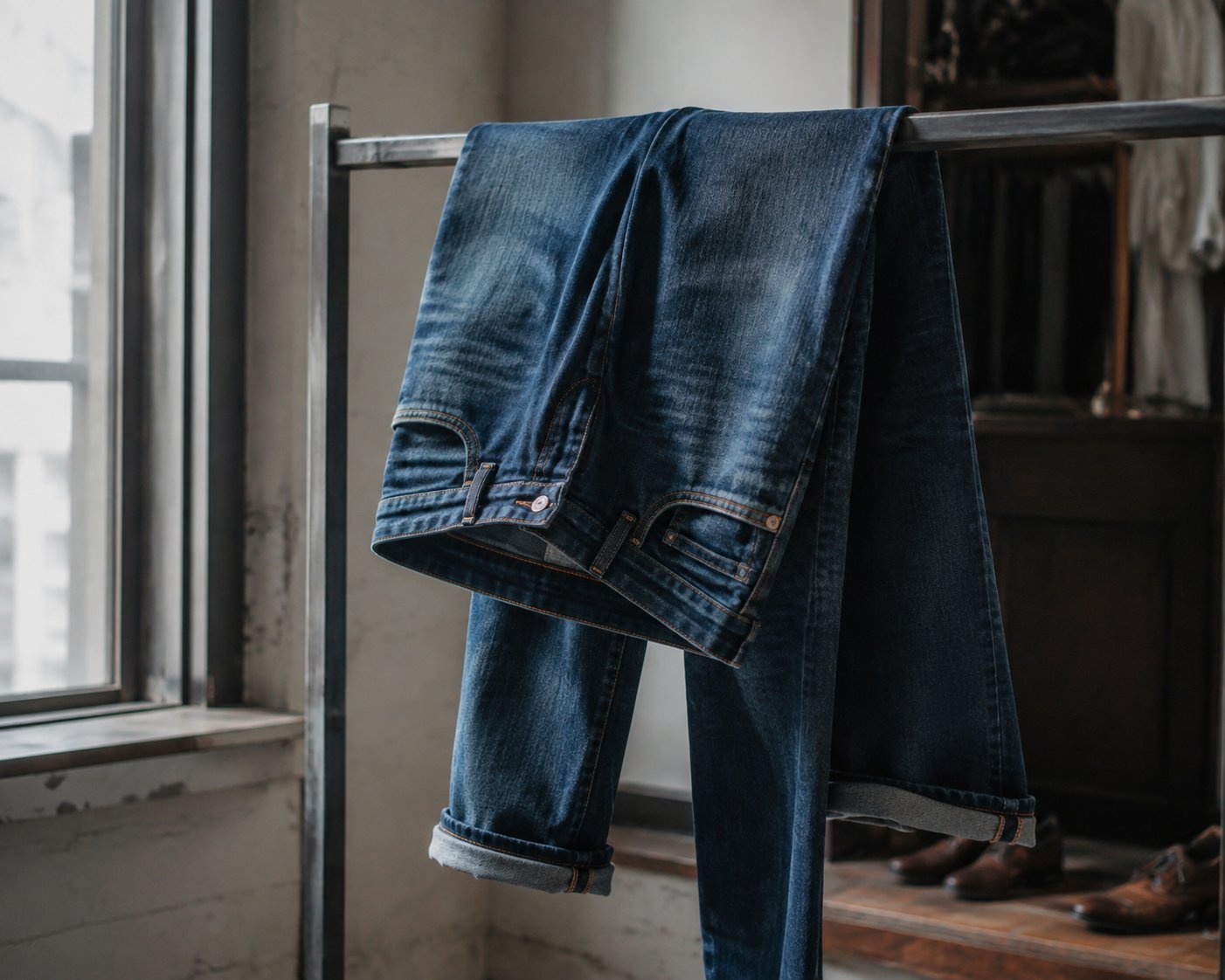
How Do You Maintain Jeans Between Washes?
Many people think the only way to clean jeans is washing them. However, professional denim care involves many smaller habits that protect the fabric while maintaining freshness.
Here are practical methods used by denim enthusiasts:
1. Air Dry Your Jeans After Wearing
One of the easiest ways to refresh jeans is simply allowing them to breathe.
After wearing jeans:
Hang them in a ventilated area.
Avoid immediately putting them into a closed wardrobe.
Allow moisture to evaporate naturally.
Human bodies produce sweat and oils during daily activities. Even if jeans do not appear dirty, letting the fabric dry completely helps prevent unpleasant odors.
This small habit can significantly extend the time between washes.
2. Spot Clean Instead of Washing the Entire Pair
Small stains do not always require a full wash.
Examples:
Coffee drops
Food stains
Dust marks
Small spills
Instead:
Use a damp cloth.
Gently clean the affected area.
Avoid aggressive rubbing.
Let the area dry naturally.
This protects the surrounding fabric from unnecessary washing.
3. Rotate Different Pairs of Jeans
One of the most effective ways to extend jeans lifespan is owning multiple pairs.
Instead of wearing one pair every day, rotate between different styles.
Example:
| Day | Jeans Style |
| Monday | Straight jeans |
| Tuesday | Baggy jeans |
| Wednesday | Skinny jeans |
Thursday | Stacked jeans |
Friday | Selvedge jeans |
Rotation allows:
Fabric recovery
Reduced stress on seams
Better shape retention
This is particularly useful for brands selling different denim collections because customers often prefer owning multiple styles for different occasions.
4. Store Jeans Properly
Storage also affects denim condition.
Recommended practices:
Fold jeans neatly or hang them from the waistband.
Keep them away from moisture.
Avoid overcrowding wardrobes.
Store washed jeans only when completely dry.
Poor storage can create:
Musty smells
Fabric creases
Color transfer issues
Premium denim deserves proper care because the garment represents both material value and craftsmanship.
How Many Pairs of Jeans Should You Own to Extend Their Lifespan?
Most people can extend the lifespan of their jeans by owning 3–5 pairs and rotating them regularly. Different fits and fabrics serve different purposes, reducing daily stress on each pair.
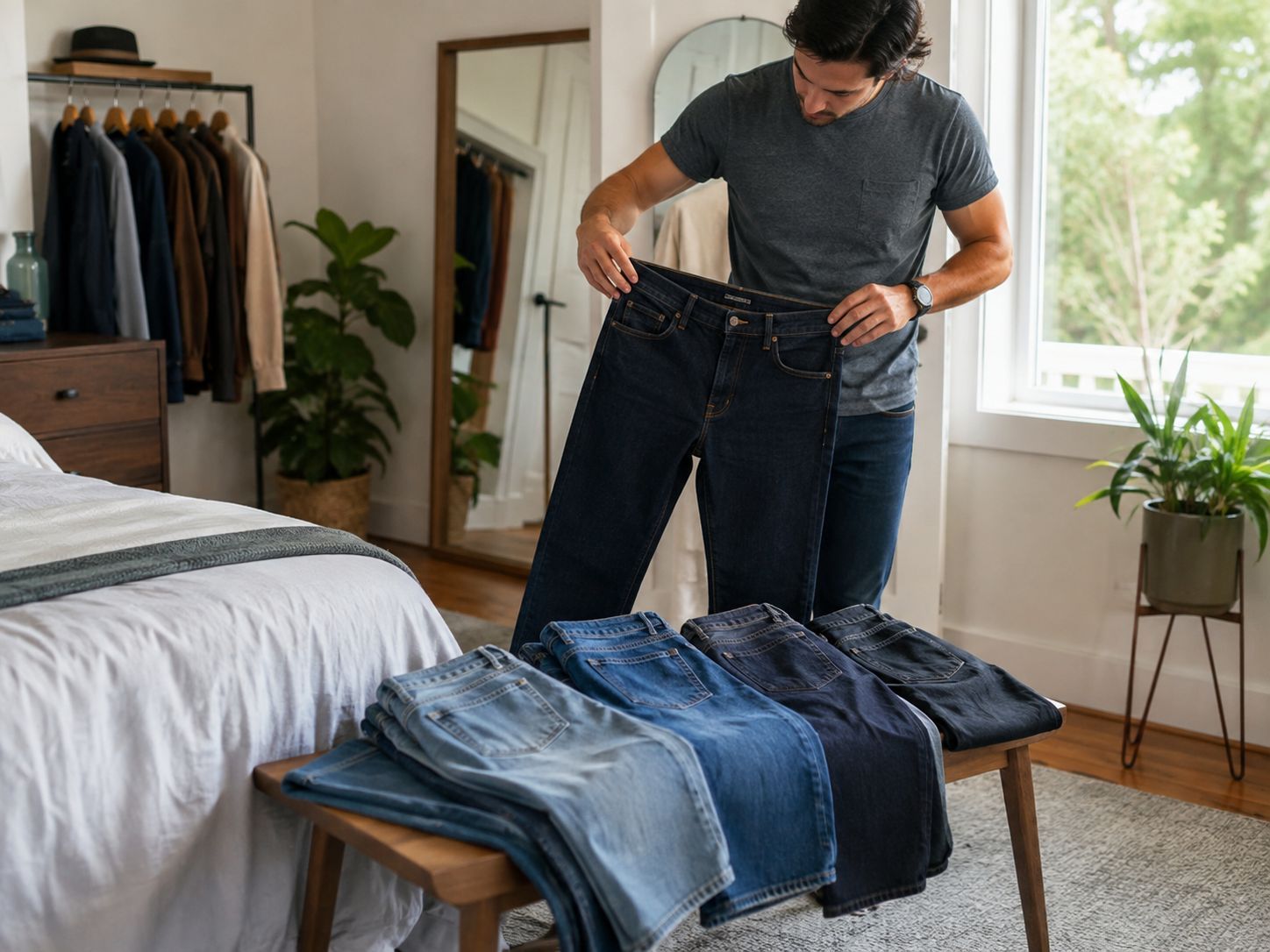
Why Denim Rotation Matters
A common mistake is finding one perfect pair of jeans and wearing them every day.
Although high-quality denim is durable, every garment has a limit.
Daily wear creates repeated stress in areas such as:
Crotch
Inner thigh
Knees
Back pockets
Waistband
Rotating jeans allows fibers to recover.
For denim brands, offering multiple styles also creates stronger customer relationships because different customers have different lifestyle needs.
A modern denim collection may include:
| Style | Customer Preference |
| Plus size jeans | Comfort and inclusive sizing |
| Baggy jeans | Streetwear and relaxed fashion |
| Straight jeans | Everyday versatility |
Skinny jeans | Slim silhouette |
Stacked jeans | Trend-driven consumers |
Selvedge jeans | Premium denim lovers |
For independent designers and online boutique owners, understanding these differences is essential. Customers are not simply buying fabric — they are buying identity, comfort, and style.
This is why professional OEM and ODM denim manufacturers play an important role. They help brands transform creative ideas into wearable products through:
Fabric selection
Pattern development
Sample production
Custom washing
Logo customization
Bulk manufacturing
How Should You Wash Jeans to Make Them Last Longer?
The best way to wash jeans is to use cold water, mild detergent, gentle washing cycles, and natural air drying. Turning jeans inside out before washing helps protect the color, fabric surface, and original shape. Avoid bleach and high-temperature drying because they can shorten denim lifespan.
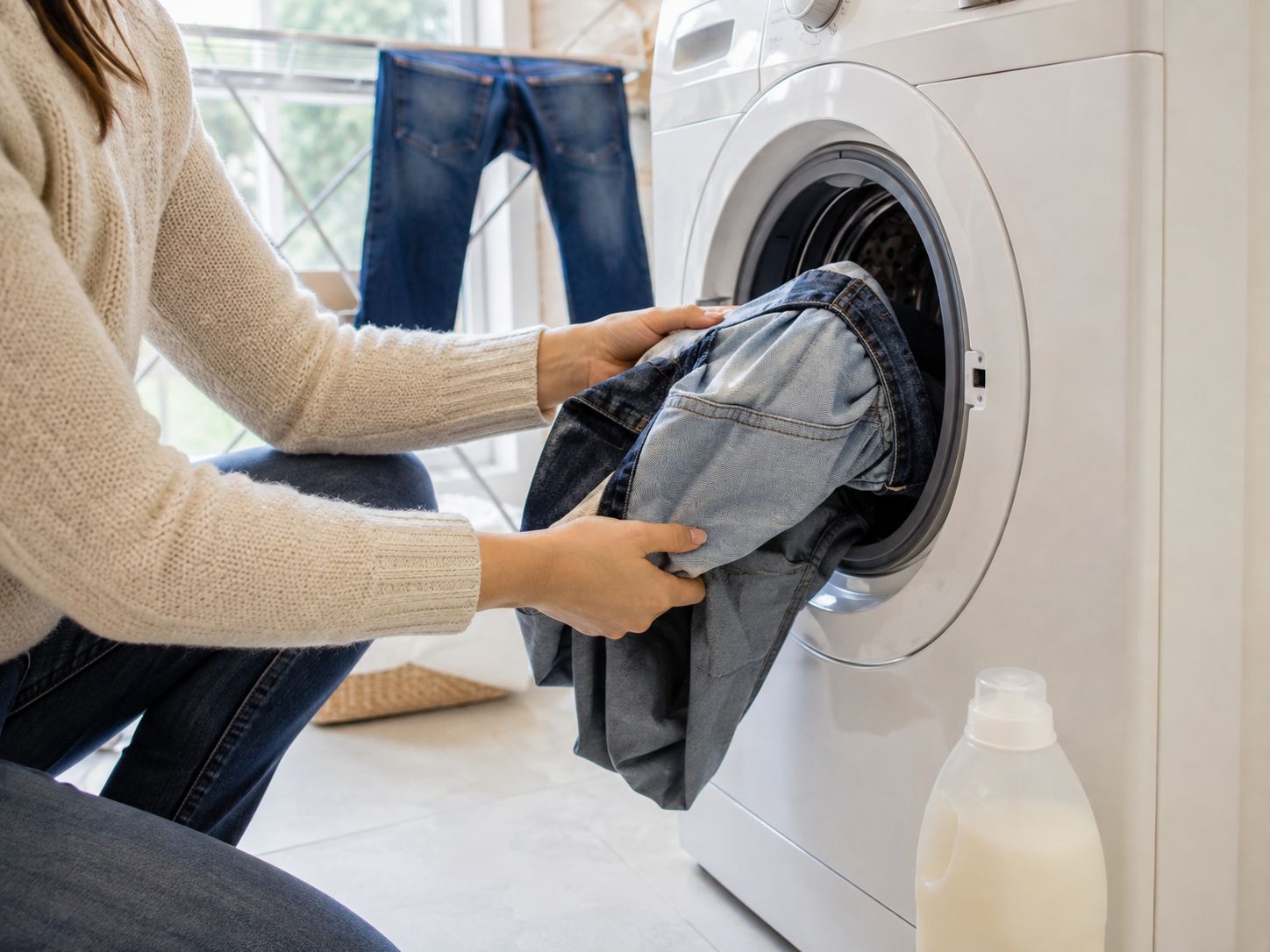
What Is the Best Way to Wash Jeans?
Many people think washing jeans is a simple process: put them into the washing machine, add detergent, and press start. However, premium denim requires more thoughtful care.
A good washing routine can help jeans maintain:
Original color
Fabric strength
Shape retention
Comfort
Overall appearance
Whether you own everyday jeans, raw denim, selvedge jeans, or custom-made premium denim, the basic principles are similar.
Step 1: Turn Jeans Inside Out Before Washing
Turning jeans inside out is one of the easiest ways to reduce color fading.
The outer surface of denim contains most of the visible indigo dye. During washing, friction between fabrics can gradually remove some color.
By turning jeans inside out:
The visible surface receives less friction.
Indigo color stays deeper for longer.
Special washes and finishes are better protected.
This is especially important for:
Dark blue jeans
Raw denim
Premium selvedge jeans
Designer denim collections
Step 2: Use Cold Water Instead of Hot Water
Cold water is usually the safest choice for denim.
Hot water can:
Cause cotton fibers to shrink.
Affect garment measurements.
Speed up color loss.
Reduce stretch recovery.
For brands producing custom jeans, fabric testing is extremely important because different denim compositions react differently to washing.
For example:
| Denim Type | Washing Consideration |
| 100% Cotton Denim | May shrink slightly |
| Stretch Denim | Needs gentle washing to protect elasticity |
| Raw Denim | Requires careful washing to preserve character |
Heavyweight Denim | Needs proper drying to maintain structure |
Step 3: Choose the Right Detergent
Strong detergents are designed to remove tough stains, but they can be too aggressive for premium denim.
Better options include:
Mild detergent
Color-protecting detergent
Denim-specific cleaning products
Avoid:
Bleach
Strong whitening products
Excessive fabric softeners
Fabric softeners may make jeans feel softer temporarily, but they can affect the natural texture and performance of denim fibers.
Step 4: Avoid High Heat Drying
A dryer is convenient, but high heat is one of the biggest enemies of denim.
High temperatures can:
Shrink cotton fibers
Damage elastic fibers
Change garment measurements
Reduce softness
The better option is:
Remove jeans from the washing machine.
Gently reshape them.
Hang them naturally.
Allow them to dry completely.
This simple habit can significantly increase jeans lifespan.
Should Jeans Be Machine Washed or Hand Washed?
Machine washing is acceptable for most everyday jeans when done correctly, but hand washing is better for expensive raw denim, selvedge denim, and highly customized jeans because it provides more control and reduces fabric stress.
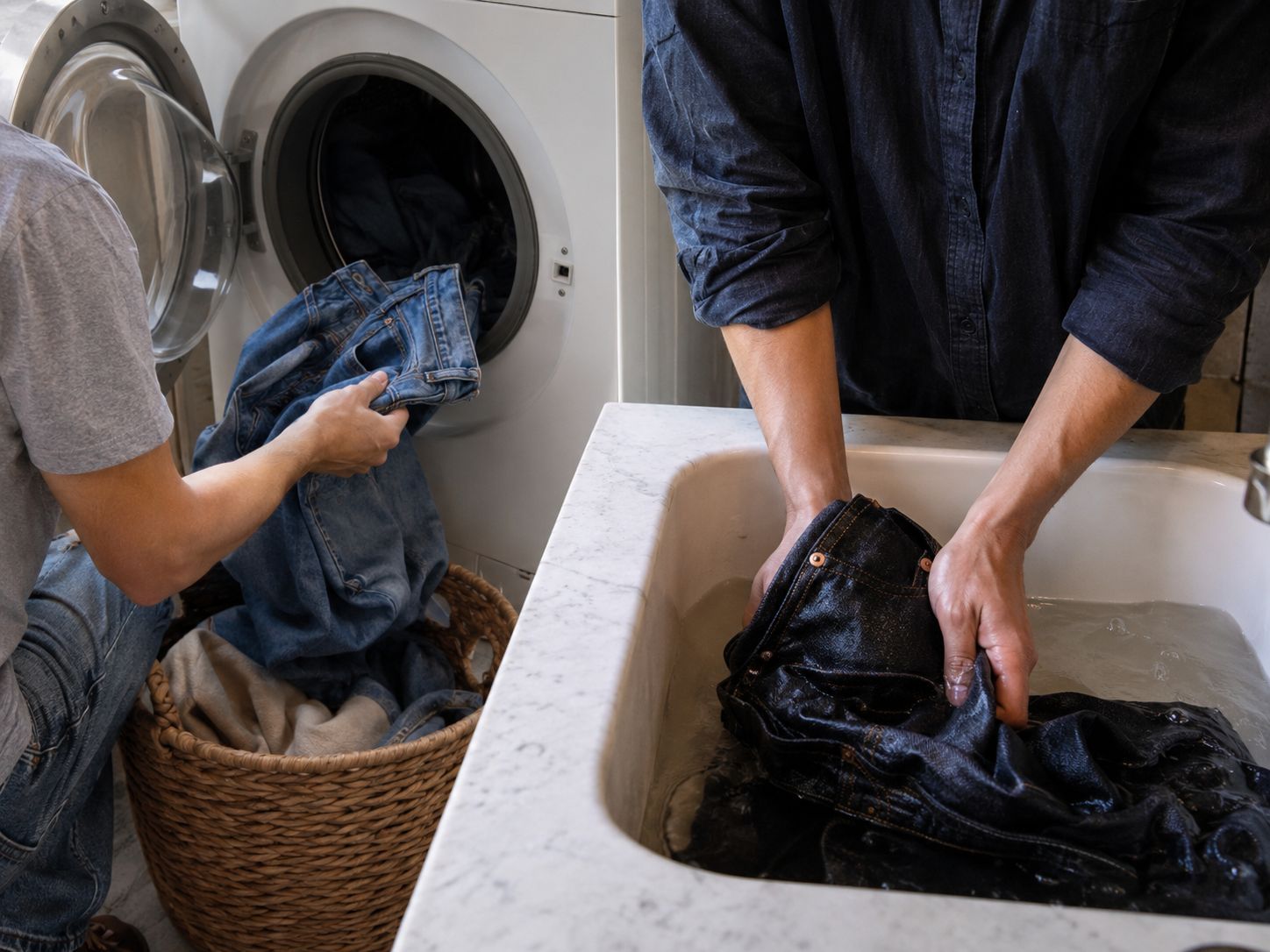
Machine Washing vs Hand Washing Jeans
Both methods have advantages.
Machine Washing Advantages:
Convenient
Time-saving
Suitable for daily jeans
Effective for removing normal dirt
However, machine washing creates more:
Mechanical friction
Fabric movement
Color disturbance
Hand Washing Advantages:
Hand washing allows more control over:
Water temperature
Washing pressure
Cleaning intensity
It is especially recommended for:
Premium denim
Raw denim
Limited-edition jeans
Custom designer jeans
For example, a fashion brand launching a premium selvedge denim collection may want customers to preserve the original fabric character as long as possible. Providing proper washing instructions becomes part of the brand experience.
How Long Do Jeans Last If Worn Every Day?
Jeans worn every day usually last between 6 months and 3 years depending on fabric quality, construction, fit, and care habits. Premium denim made with high-quality materials and professional manufacturing can last 3–10 years or longer when properly maintained.
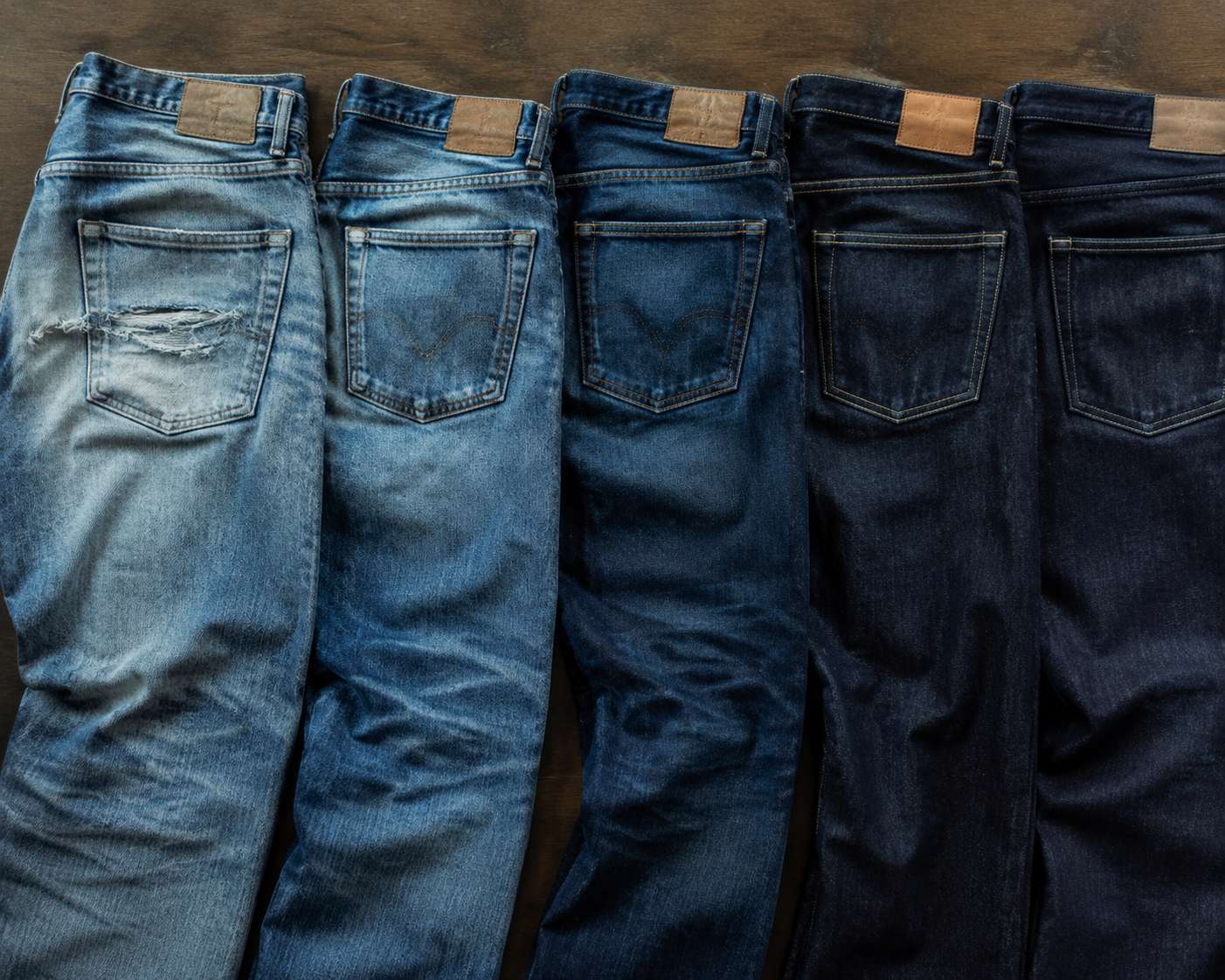
How Long Do Jeans Last With Daily Wear?
The lifespan of jeans depends heavily on how they are made and how they are used.
A cheap pair of jeans and a premium pair of jeans may look similar when they are brand new, but their performance after hundreds of wears can be completely different.
Here is a general comparison:
| Jeans Quality Level | Average Lifespan With Regular Wear |
| Fast fashion jeans | 6–18 months |
| Mid-range denim | 1–3 years |
| Premium denim | 3–5+ years |
High-quality selvedge denim | 5–10+ years |
These numbers are not fixed because lifestyle matters.
A person wearing jeans occasionally on weekends may keep them for many years.
A person wearing the same pair every day for work, travel, and outdoor activities will naturally experience faster wear.
Which Parts of Jeans Wear Out First?
Most jeans do not fail because the entire garment becomes unusable. Usually, specific stress points show damage first.
Common weak areas include:
1. Crotch Area
The crotch experiences:
Constant movement
Friction
Body pressure
This is why experienced denim manufacturers reinforce this area through:
Better stitching techniques
Stronger fabrics
Improved pattern design
2. Inner Thigh Area
For people with active lifestyles or certain body types, inner thigh friction can become a major issue.
The right fabric selection can reduce this problem.
For example:
Heavier denim provides more abrasion resistance.
Stretch denim improves comfort.
Proper fit reduces unnecessary tension.
3. Knees
Repeated bending creates stress around the knee area.
This is especially common with:
Skinny jeans
Work jeans
Slim-fit jeans
How Can Brands Improve Jeans Durability?
For denim brands, durability begins long before production.
It starts with:
Fabric Development
Choosing:
Cotton quality
Fabric weight
Stretch percentage
Weaving method
Pattern Engineering
Creating patterns that consider:
Body movement
Different body shapes
Comfort requirements
Manufacturing Control
Ensuring:
Consistent stitching
Accurate sizing
Reliable finishing
This is why many growing fashion brands work with experienced OEM/ODM denim manufacturers instead of only searching for low-cost production.
A strong manufacturing partner helps transform creative concepts into products customers can trust.
What Factors Determine How Long Jeans Will Last?
Jeans lifespan is determined by fabric quality, manufacturing standards, fit, washing habits, and daily usage. A well-designed pair of jeans made with premium materials can last significantly longer than low-cost alternatives.
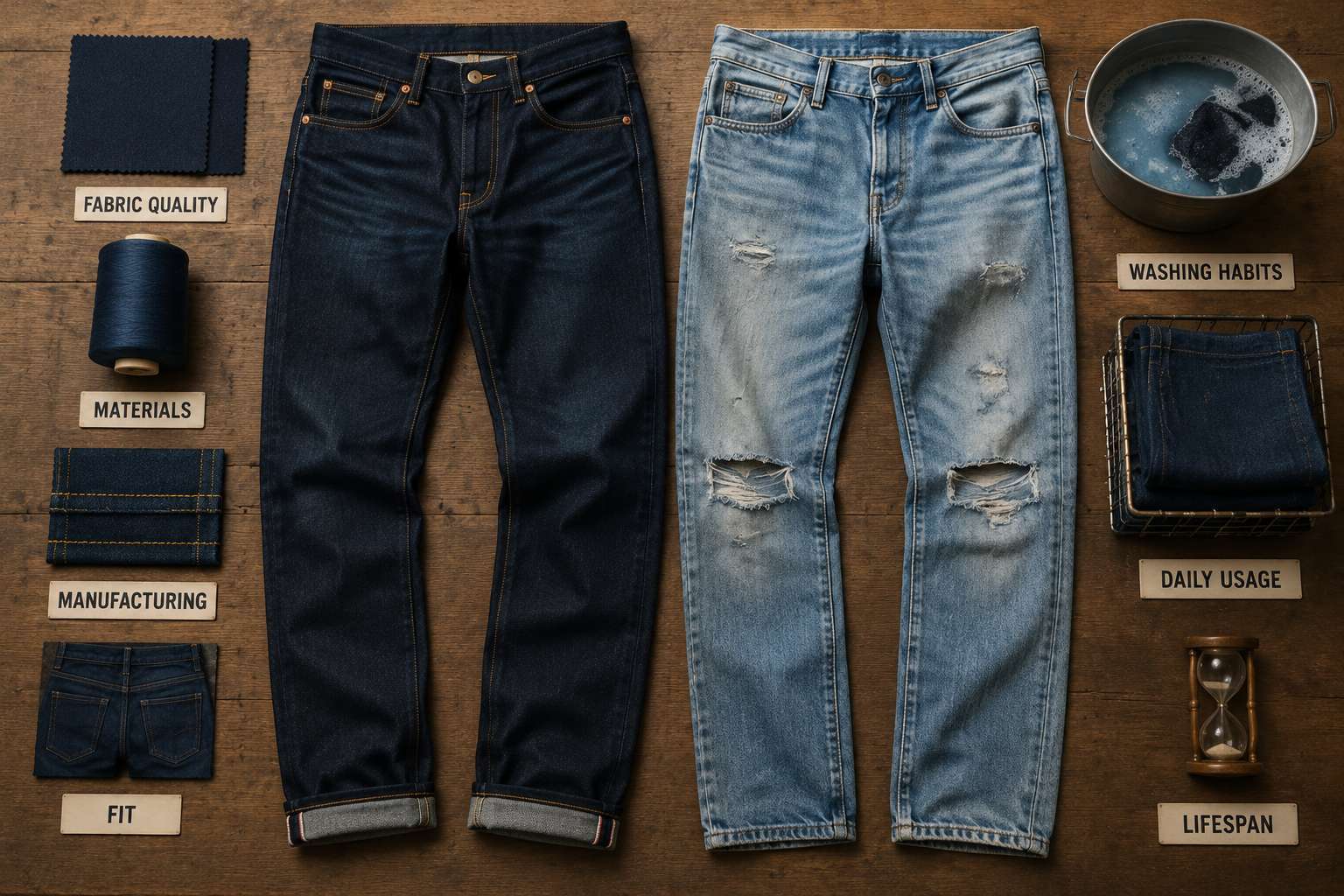
Denim Fabric Quality
The fabric is the foundation of every pair of jeans.
Important factors include:
Cotton Quality
Higher-quality cotton usually provides:
Better softness
Stronger fibers
Improved durability
Fabric Weight
Denim weight affects performance.
Denim Weight Characteristics
Lightweight denim Comfortable and breathable
Mid-weight denim Balanced everyday option
Heavyweight denim Durable and structured
Stretch Percentage
Stretch denim provides comfort, but the balance matters.
Too much stretch may reduce the traditional denim feeling.
Too little stretch may reduce comfort.
Professional denim development requires finding the right balance between appearance, comfort, and durability.
When Should You Replace Your Jeans?
You should replace jeans when repairs cannot restore their function, such as severe fabric thinning, major crotch damage, broken structure, or permanent loss of fit. Small issues can often be repaired and do not necessarily mean the jeans are finished.
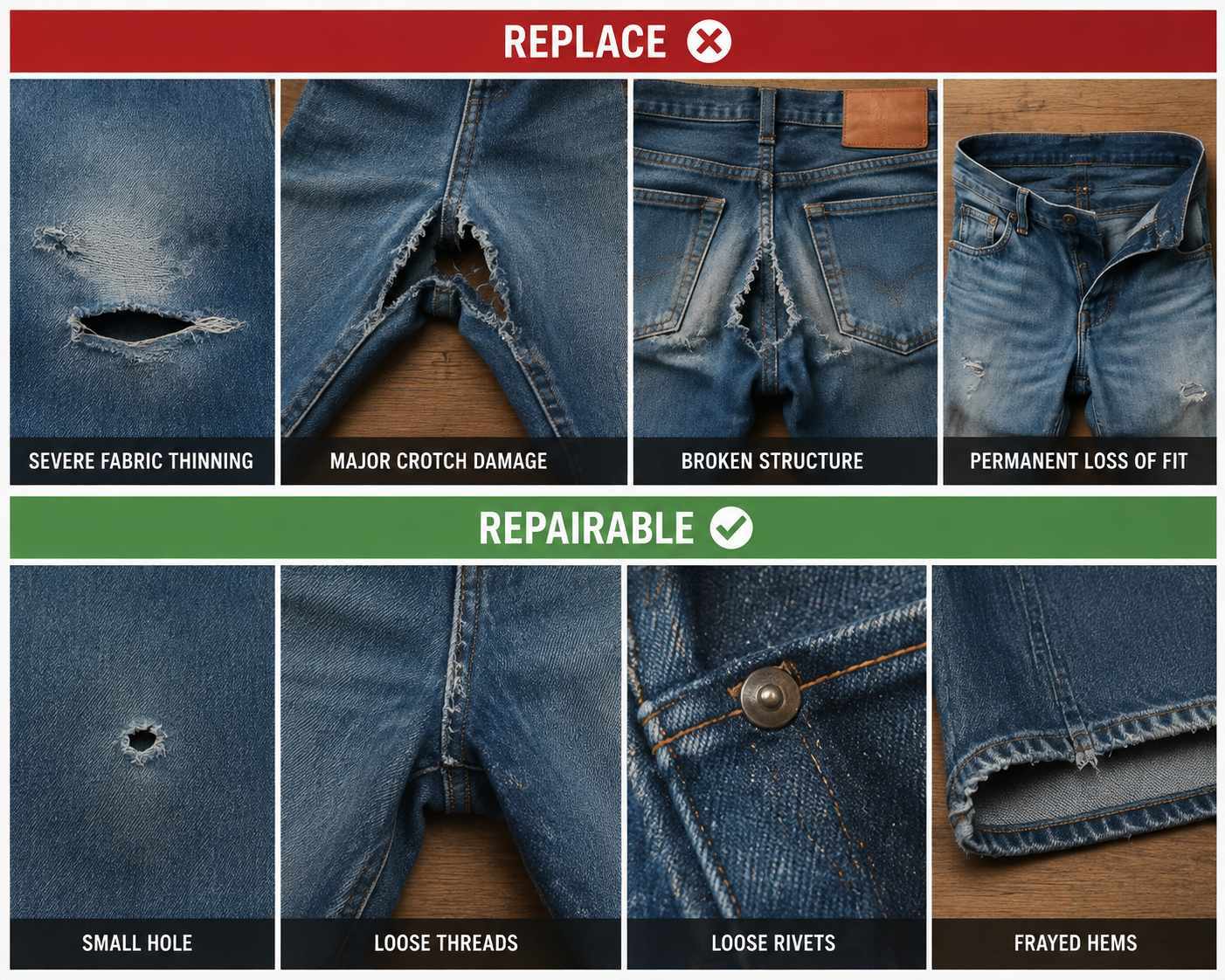
Signs Your Jeans Have Reached the End
Look for:
Large holes in high-stress areas
Fabric becoming extremely thin
Broken seams that repeatedly reopen
Permanent shape loss
Damaged hardware
However, many premium jeans can be repaired.
Some denim lovers intentionally repair their jeans because the repairs become part of the garment’s story.
This is another difference between premium denim and disposable fashion.
A well-made pair of jeans is not only a clothing item.
It is a long-term product.
How DiZNEW Helps Brands Create Long-Lasting Custom Jeans
Choosing the right jeans is important for consumers, but creating the right jeans is even more important for brands.
For fashion designers, boutique owners, and online denim retailers, product quality directly influences:
Customer reviews
Repeat purchases
Brand reputation
Long-term business growth
DiZNEW is a professional denim manufacturer with more than 20 years of experience in jeans development and production.
We support brands with:
Custom jeans manufacturing
OEM and ODM denim solutions
Private label jeans production
Custom logo development
Fabric selection
Pattern development
Sample creation
Complex denim customization
Our production capabilities cover a wide range of denim products, including:
Plus size jeans
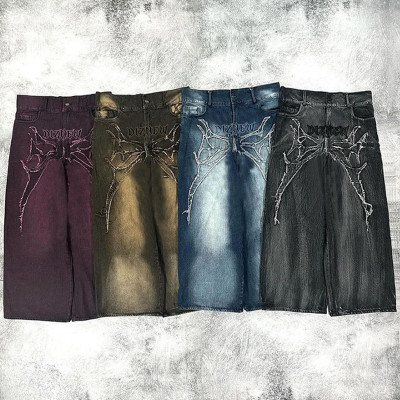
Baggy jeans
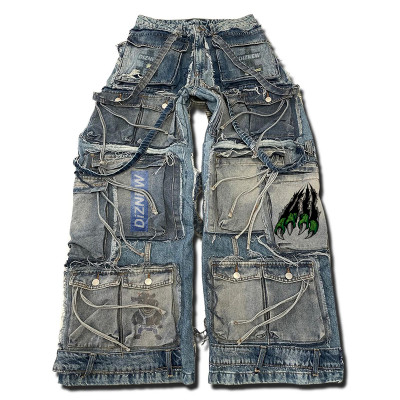
Stacked jeans
Straight jeans
Selvedge jeans
Skinny jeans
Jogger jeans
Denim jackets
Denim shirts
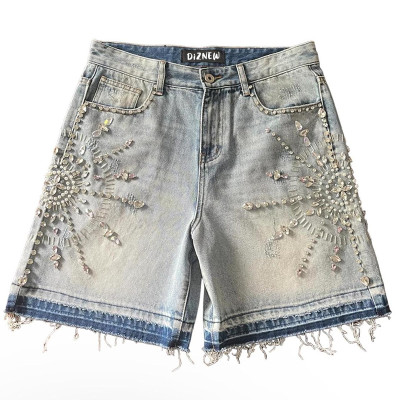
Denim shorts
Whether you already have a finished design or only have an idea, our team can help transform concepts into real products.
With a flexible MOQ starting from 30 pieces, DiZNEW supports:
Small boutique brands testing new collections
Independent designers launching their first denim line
Growing online stores scaling production
Established brands requiring large-volume manufacturing up to 10,000+ pieces
Final Thoughts: How Many Days Can Jeans Be Worn Before Washing?
The answer depends on the person, the jeans, and the environment.
For most people:
Wearing jeans for 3 days is completely acceptable
Wearing jeans for 5 days is often fine
Washing after 5–10 wears is a practical guideline
Premium denim can last for years with proper care
The most important lesson is that jeans are not disposable clothing. A well-designed pair of jeans represents craftsmanship, fabric technology, and thoughtful manufacturing.
For brands looking to create durable, premium, and customized denim products, working with an experienced denim manufacturer can make the difference between an average product and a product customers truly love.
If you are a designer, boutique owner, or brand looking for custom jeans production, DiZNEW can help bring your denim ideas from concept to finished product. Contact us today to discuss your custom OEM/ODM denim project and create jeans that are built to be worn, loved, and remembered.
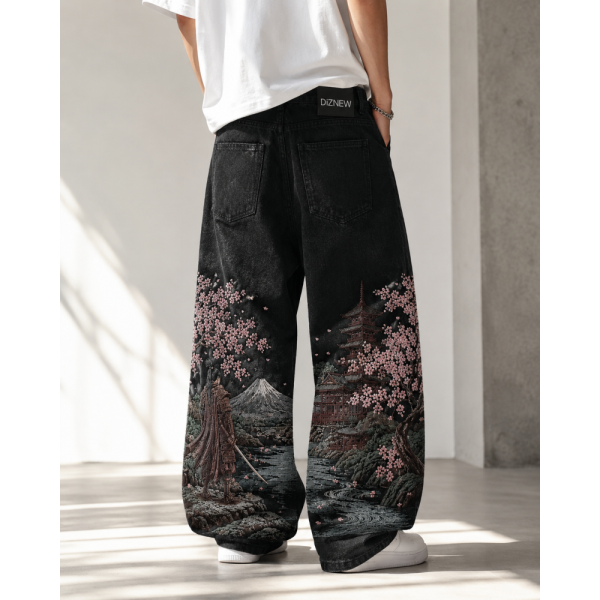
Premium wide-leg denim jeans featuring a vintage washed black finish, detailed Japanese landscape artwork, embroidery-style decoration, and custom brand label options. Designed for streetwear brands, designer labels, and private label collections looking for statement denim with strong visual storytelling.
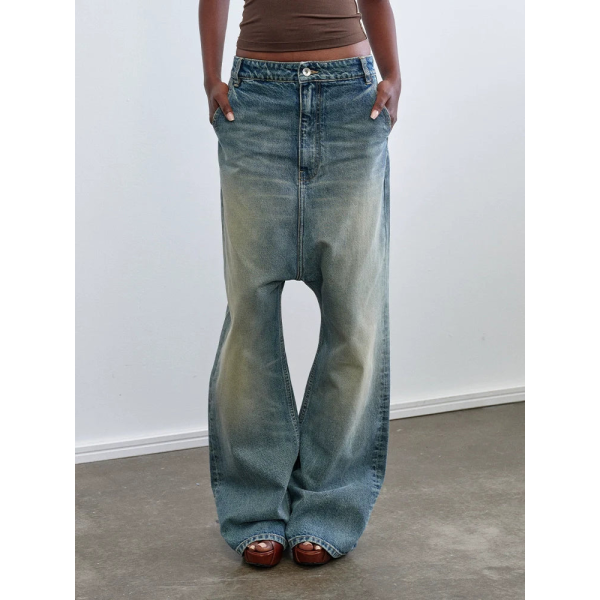
OEM & ODM Drop Crotch Jeans for Women - Tailored denim solutions designed for brands seeking unique styles and quality.
OEM & ODM Drop Crotch Jeans for Women - Tailored denim solutions designed for brands seeking unique styles and quality.
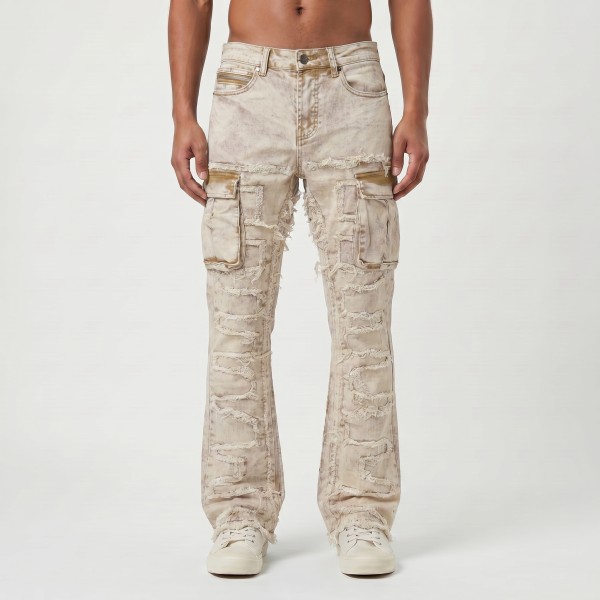
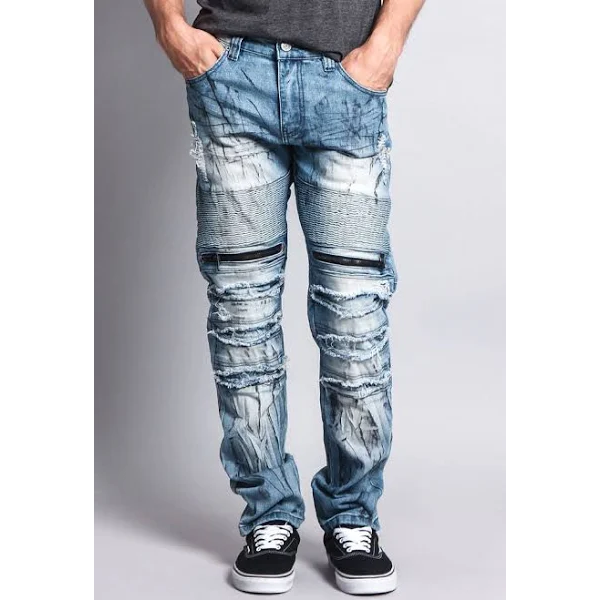
Beige flared cargo jeans with oversized pockets and distressed panels. Built for bold designer and boutique streetwear.