How do you wash brand new jeans?
Buying a new pair of jeans feels different from buying almost any other piece of clothing. A fresh pair of denim represents more than just fabric and stitching — it represents personal style, confidence, and sometimes even a connection with a brand’s identity. But there is one question almost every denim owner eventually asks: “Should I wash my new jeans before wearing them?”
Unlike T-shirts or basic cotton pants, jeans are a complicated product. The final look, comfort, color, and lifespan are influenced by many factors: the type of cotton fiber, fabric weight, dye method, washing process, finishing techniques, and even how the jeans are dried after washing. A pair of heavyweight raw denim jeans, a vintage washed streetwear jean, and a stretch skinny jean may all require completely different care methods.
Many people make the mistake of treating all jeans the same. They throw a new pair into a hot washing machine, add strong detergent, and use a dryer. The result? Unexpected shrinkage, faded color, twisted seams, and a fit that no longer feels the same. For premium denim, especially designer jeans or custom-made denim, these mistakes can reduce the value of the garment within the first few washes.
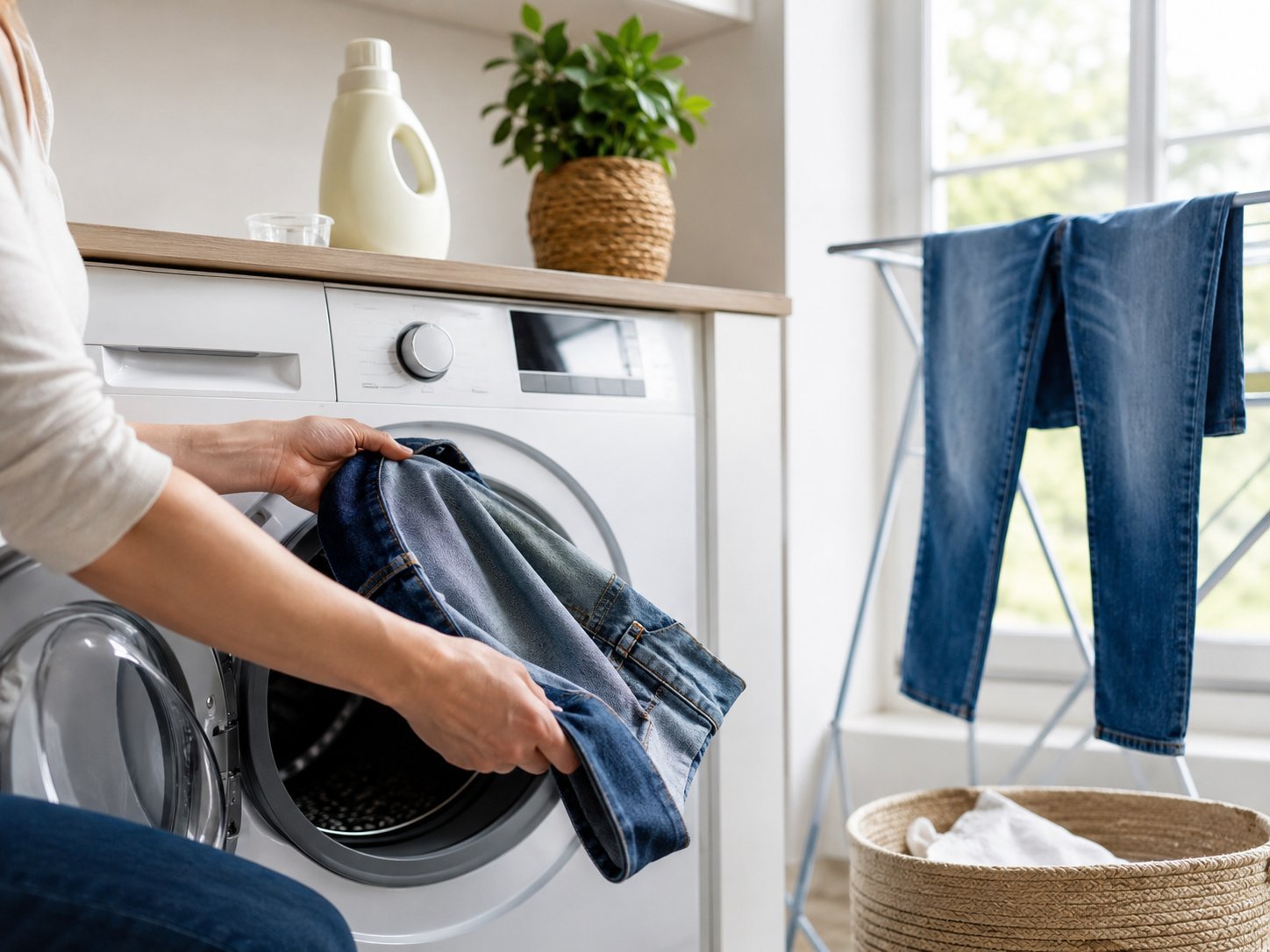
The best way to wash brand new jeans is to turn them inside out, use cold water, choose a gentle washing method, avoid harsh detergents, and air dry them naturally. For most denim, this protects color, prevents unnecessary shrinkage, and helps maintain the original fit. However, raw denim, selvedge denim, and special washed jeans may require different care methods depending on the fabric and finishing process.
Understanding how denim works allows you to protect your investment and enjoy jeans that look better over time. Interestingly, many premium denim enthusiasts do not try to keep their jeans looking “new” forever. Instead, they allow denim to develop character — the natural fading around the thighs, honeycombs behind the knees, and unique wear patterns that tell the story of the person wearing them. A pair of jeans can become a personal record of your lifestyle. But before that story begins, the first wash decision matters more than most people realize.
Should You Wash Brand New Jeans Before Wearing Them?
Yes, most brand new jeans can benefit from a first wash, but it depends on the denim type. Washed denim and everyday jeans are usually safe to wash before wearing, while raw denim and premium selvedge jeans are often intentionally worn without washing for a period of time to create personalized fading patterns.
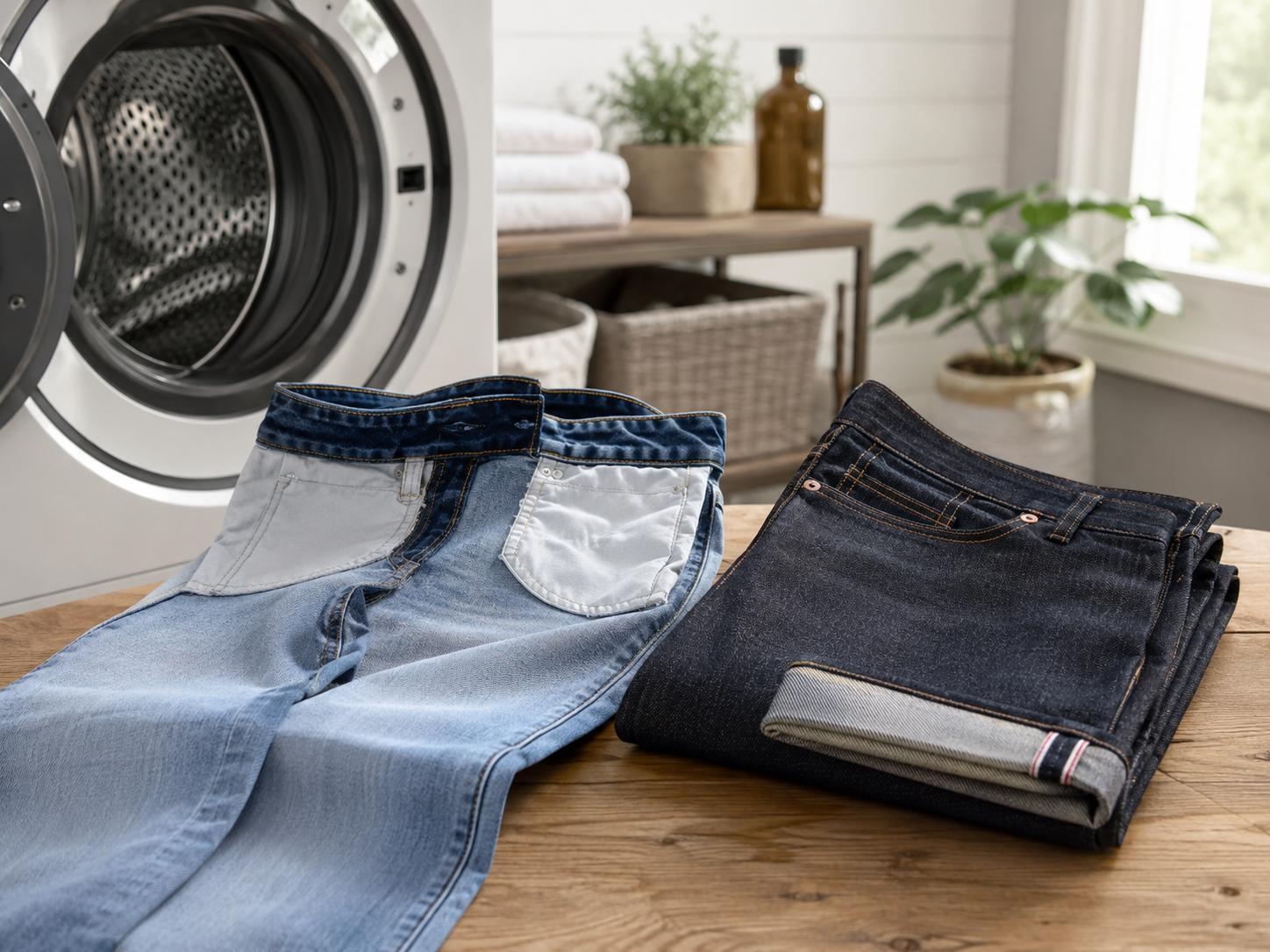
Do I Need to Wash Brand New Jeans Before Wearing Them?
This is one of the most common questions asked by first-time denim buyers.
The simple answer is: not always, but in many cases, washing new jeans before wearing them is a good idea.
During denim production, jeans go through multiple manufacturing stages before reaching customers. The process involves:
| Production Stage | Purpose | Possible Residue |
| Fabric weaving | Creates denim structure | Cotton dust, weaving oils |
| Dyeing | Creates indigo color | Excess dye |
| Cutting and sewing | Builds garment shape | Production particles |
Washing and finishing | Creates softness and appearance | Softening agents, chemicals |
Packaging and shipping | Protects product | Storage residues |
Modern denim factories use controlled processes to ensure safety and quality, but new garments can still contain small amounts of manufacturing residue. Washing before wearing removes these materials and allows the fabric to relax into its natural state.
This is especially relevant for people with sensitive skin. Some individuals may notice stiffness, a strong dye smell, or slight discomfort when wearing completely new jeans. A gentle first wash can improve softness and comfort without damaging the garment.
However, there is an important exception: raw denim.
Raw denim is different because it is intentionally sold without a final washing process. The fabric is usually darker, stiffer, and full of potential character. Denim enthusiasts often wear raw jeans for months before the first wash because they want the fabric to develop unique fading patterns based on their body movement.
For example:
A person who sits at a desk all day may develop different fade patterns from someone who rides a motorcycle.
A person who walks frequently may create different thigh fading compared with someone who drives most of the day.
Pocket areas often develop unique marks depending on what items are carried.
This is why raw denim is considered a living fabric.
The decision depends on what you value:
| Your Priority | Recommended Choice |
| Maximum comfort immediately | Wash before wearing |
| Remove excess dye and residue | Wash before wearing |
| Preserve original dark indigo color | Delay washing |
Create personal fading patterns | Wear first, wash later |
Protect premium designer finishing | Follow care label |
For most customers buying washed jeans, distressed jeans, baggy jeans, stacked jeans, or everyday streetwear denim, a careful first wash is usually the safest choice.
Is It Okay to Wear New Jeans Without Washing Them First?
Yes, it is generally okay to wear new jeans without washing them first, especially if they are high-quality denim, raw denim, or premium jeans with specific care instructions.
Many denim lovers actually prefer wearing new jeans immediately because the first few wears help shape the garment around the body.
However, there are several things to consider.
1. Indigo Transfer
New denim, especially dark indigo denim, can transfer color.
You may notice blue marks on:
White sneakers
Light-colored furniture
Car seats
Bags
Other clothing
This is not necessarily a quality problem. Indigo dye naturally sits on the surface of cotton fibers, and some transfer is expected, especially with darker denim.
Premium denim manufacturers carefully control dye penetration and finishing processes, but deep indigo shades will still behave differently from lighter washed jeans.
2. Initial Fabric Stiffness
A new pair of jeans can feel uncomfortable at first because denim fabric has not yet adapted to your body.
This is especially common with:
14 oz heavyweight denim
16 oz+ selvedge denim
100% cotton rigid denim
The stiffness is not a defect. In fact, many denim enthusiasts consider this a positive characteristic because stronger fabrics develop better aging patterns.
Over time, movement naturally creates:
Knee shaping
Thigh fading
Waist adaptation
Softened texture
3. Skin Sensitivity
Some people may prefer washing new jeans before wearing them because of:
Dye sensitivity
Fabric finishing agents
Manufacturing residues
If you have sensitive skin, washing first is the safer approach.
What Happens If You Wear New Jeans Without Washing Them?
Wearing jeans without washing them is not simply about avoiding laundry. It changes how the denim develops.
The first months of wear create the foundation of the jeans’ future appearance.
Premium denim aging is influenced by:
Fabric Construction
A tightly woven denim fabric usually develops clearer contrast fades.
For example:
| Denim Type | Aging Result |
| Lightweight denim | Faster fading, softer feeling |
| Heavyweight denim | Stronger texture, deeper contrast |
| Selvedge denim | More traditional aging pattern |
Stretch denim | More comfort, less dramatic fading |
Lifestyle
Your daily habits become part of the denim design.
A fashion designer wearing jeans during creative work may create different fading compared with:
A construction worker
A traveler
A motorcycle rider
An office employee
This is why denim has always had a strong connection with individuality.
Why Premium Brands Pay Attention to First Wear
For high-end denim brands, the customer experience does not end when the jeans leave the factory.
A well-made pair of jeans should:
Maintain shape
Age naturally
Become more comfortable
Develop character
This is also why denim manufacturers spend significant time developing fabrics and washes before bulk production.
At DiZNEW, for example, custom denim development is not only about making a garment that looks good on day one. The goal is to create denim that performs throughout its entire lifecycle — from the first fitting to years of wear.
For brands creating custom jeans, understanding how customers wash and wear denim is essential. A beautiful wash effect must also remain stable after customers actually use the product.
What Is the Best Way to Wash New Jeans for the First Time?
The best way to wash new jeans for the first time is to turn them inside out, use cold water, select a gentle washing method, use a mild detergent, and avoid high-temperature drying. This approach helps protect denim color, maintain the original fit, and reduce unnecessary shrinkage. For raw denim or special-finished jeans, always follow the specific care instructions provided by the manufacturer.
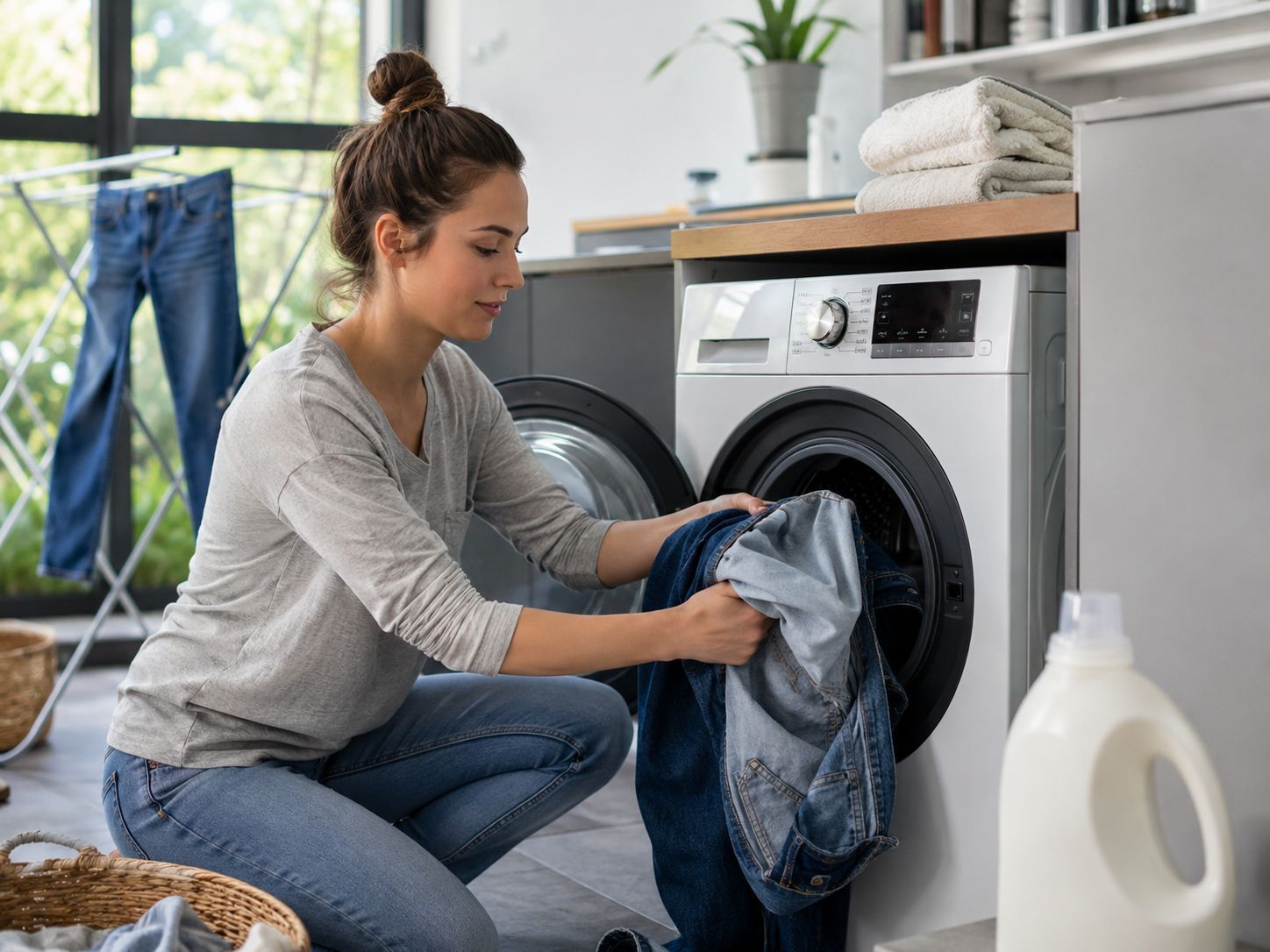
How Do You Wash New Jeans for the First Time? Step-by-Step Guide
The first wash is one of the most important moments in a pair of jeans’ life. It determines how the denim settles, how the color develops, and how well the garment maintains its original construction.
Many people assume washing jeans is simple because denim is a durable fabric. Historically, jeans were designed as workwear, so they needed to survive difficult environments. However, modern denim has become much more complex.
Today’s jeans may include:
Stretch fibers for comfort
Heavyweight cotton structures
Vintage washing effects
Laser fading
Hand distressing
Coatings
Embroidery
Patchwork
Special finishing treatments
A premium pair of jeans is closer to an engineered product than a basic piece of clothing.
The following process is recommended for most new denim products.
Step 1: Check the Denim Type Before Washing
Before putting your jeans into water, understand what type of denim you own.
Different denim constructions react differently during washing.
Washed Denim
Most commercial jeans today are already washed during production.
Examples:
Light blue washed jeans
Vintage jeans
Distressed jeans
Stonewashed denim
These jeans are usually easier to care for because the fabric has already gone through shrinkage control and color stabilization processes.
Raw Denim
Raw denim is untreated denim that has not received a final washing process.
Characteristics:
Dark indigo color
Stiffer texture
Strong fabric structure
More dramatic fading potential
Raw denim requires more patience.
Many enthusiasts wait:
3 months
6 months
Even 12 months
before the first wash.
The goal is not cleanliness alone. The goal is creating a unique relationship between the wearer and the garment.
Stretch Denim
Stretch jeans usually contain elastane or similar fibers.
They provide:
Better movement
More comfort
Easier fitting
However, excessive heat can damage stretch fibers.
For stretch denim:
Avoid:
Hot water
High-temperature dryers
Strong chemical detergents
because they may reduce elasticity over time.
Heavyweight Denim
Heavy denim, such as 14 oz, 16 oz, or heavier fabrics, requires special attention.
Advantages:
Strong durability
Premium hand feel
Better aging potential
Challenges:
Longer drying time
More stiffness
Higher shrinkage risk if untreated
This is why many premium streetwear brands carefully test heavyweight denim before production.
A small difference in fabric behavior can change the entire fit of a finished product.
Step 2: Turn Your Jeans Inside Out
Turning jeans inside out is one of the easiest ways to protect denim.
This simple action reduces:
Direct friction
Indigo loss
Surface damage
Wash mark changes
During washing, jeans rub against:
The washing machine drum
Other garments
Detergent particles
The outside surface receives the most impact.
By turning jeans inside out, the inner fabric takes most of the mechanical friction.
This is especially important for:
Dark indigo jeans
Premium washed jeans
Designer denim
Embroidered jeans
Distressed jeans
For brands producing custom denim, this principle is also important during development. A wash effect that looks premium in a sample must continue looking premium after real customers wash and wear the product.
Step 3: Choose the Right Water Temperature
Water temperature has one of the biggest impacts on denim performance.
Cold Water Washing (Recommended)
Cold water is usually the safest choice because it:
Protects color
Reduces shrinkage
Protects cotton fibers
Helps maintain fit
Most modern denim can be effectively cleaned with cold water.
Warm Water Washing
Warm water can provide stronger cleaning power, but it may:
Remove more indigo
Increase shrinkage
Change the fabric texture
Warm washing may be acceptable for heavily used work jeans but is usually unnecessary for premium fashion denim.
Hot Water Washing
Hot water is the most aggressive option.
It can cause:
Cotton contraction
Waist reduction
Shorter inseam length
Faster fading
Unless intentionally used for shrink-to-fit denim, hot water is generally not recommended.
Step 4: Use a Mild Denim-Friendly Detergent
The detergent you choose matters.
Strong detergents often contain:
Brightening agents
Bleaching ingredients
Aggressive cleaning chemicals
These can accelerate color loss.
A better option is:
Mild liquid detergent
Color-protecting detergent
Small detergent amount
More detergent does not mean cleaner jeans.
Excess detergent can remain trapped inside cotton fibers and affect:
Fabric softness
Color appearance
Skin comfort
Step 5: Select the Correct Washing Method
There are three common approaches.
Option 1: Gentle Machine Wash
Suitable for:
Everyday jeans
Washed denim
Streetwear jeans
Commercial denim
Recommended settings:
| Setting | Recommendation |
| Temperature | Cold |
| Cycle | Gentle |
| Spin | Low or medium |
Detergent | Mild |
Option 2: Hand Washing
Best for:
Raw denim
Selvedge jeans
Premium designer denim
Limited edition pieces
Advantages:
Less friction
Better control
Lower color loss
Basic method:
Fill a clean container with cold water
Add mild detergent
Soak jeans gently
Rinse carefully
Remove excess water without twisting
Option 3: Professional Denim Cleaning
Some premium jeans may benefit from professional care.
Especially:
Hand-painted denim
Complex distressing
Multi-layer coatings
Luxury designer pieces
Professional cleaning can help preserve complicated finishing details.
Step 6: Air Dry Instead of Using a High-Heat Dryer
Drying mistakes are one of the biggest causes of denim damage.
Many people wash jeans correctly but ruin them in the dryer.
High heat can cause:
Shrinkage
Fiber weakening
Loss of shape
Damaged stretch recovery
The better method:
Remove jeans from washing machine immediately
Reshape the waistband and legs
Hang or lay flat to dry
Keep away from direct extreme sunlight
Air drying allows denim fibers to naturally recover.
Should You Machine Wash or Hand Wash New Jeans?
There is no single answer because denim has different purposes.
A basic pair of everyday jeans and a handcrafted premium denim piece should not receive the same treatment.
| Denim Type | Recommended Method |
| Regular washed jeans | Gentle machine wash |
| Stretch jeans | Gentle cold wash |
| Raw denim | Hand wash or delayed washing |
Selvedge denim | Careful hand wash |
Heavy distressed jeans | Follow brand instructions |
Luxury designer denim | Gentle care |
The important question is not:
“Can jeans survive washing?”
Most jeans can.
The better question is:
“Does this washing method protect the qualities that make these jeans valuable?”
A pair of inexpensive jeans may only need basic cleaning. A premium pair represents much more:
Fabric development
Pattern engineering
Washing expertise
Manufacturing craftsmanship
How Denim Factories Consider Washing Before Production
For denim brands, washing is not only a customer care issue. It begins during product development.
A professional denim manufacturer must understand:
How fabric reacts to water
How colors stabilize
How measurements change
How finishing effects survive washing
Before producing thousands of pieces, brands usually need to confirm:
Fabric shrinkage rate
Wash approval
Color consistency
Final measurements
For example, a streetwear brand developing oversized baggy jeans may want:
A washed vintage appearance
Controlled shrinkage
Heavy fabric feeling
Consistent sizing
A factory cannot simply create the look once. It must reproduce the same result across hundreds or thousands of garments.
This is where experienced denim manufacturers create value.
At DiZNEW, denim development includes fabric selection, pattern adjustment, sample testing, and professional washing control. With an in-house wash house and experience in complex denim finishing, the focus is not only creating attractive samples but ensuring the final production maintains the intended appearance and performance.
How Do You Prevent New Jeans From Shrinking or Fading?
To prevent new jeans from shrinking or fading, wash them less frequently, use cold water, avoid aggressive detergents, and keep them away from high heat. Shrinkage mainly happens because cotton fibers contract when exposed to heat and moisture, while fading occurs naturally as indigo dye gradually releases from the fabric surface. Proper denim care helps maintain the original fit, color depth, and overall quality.
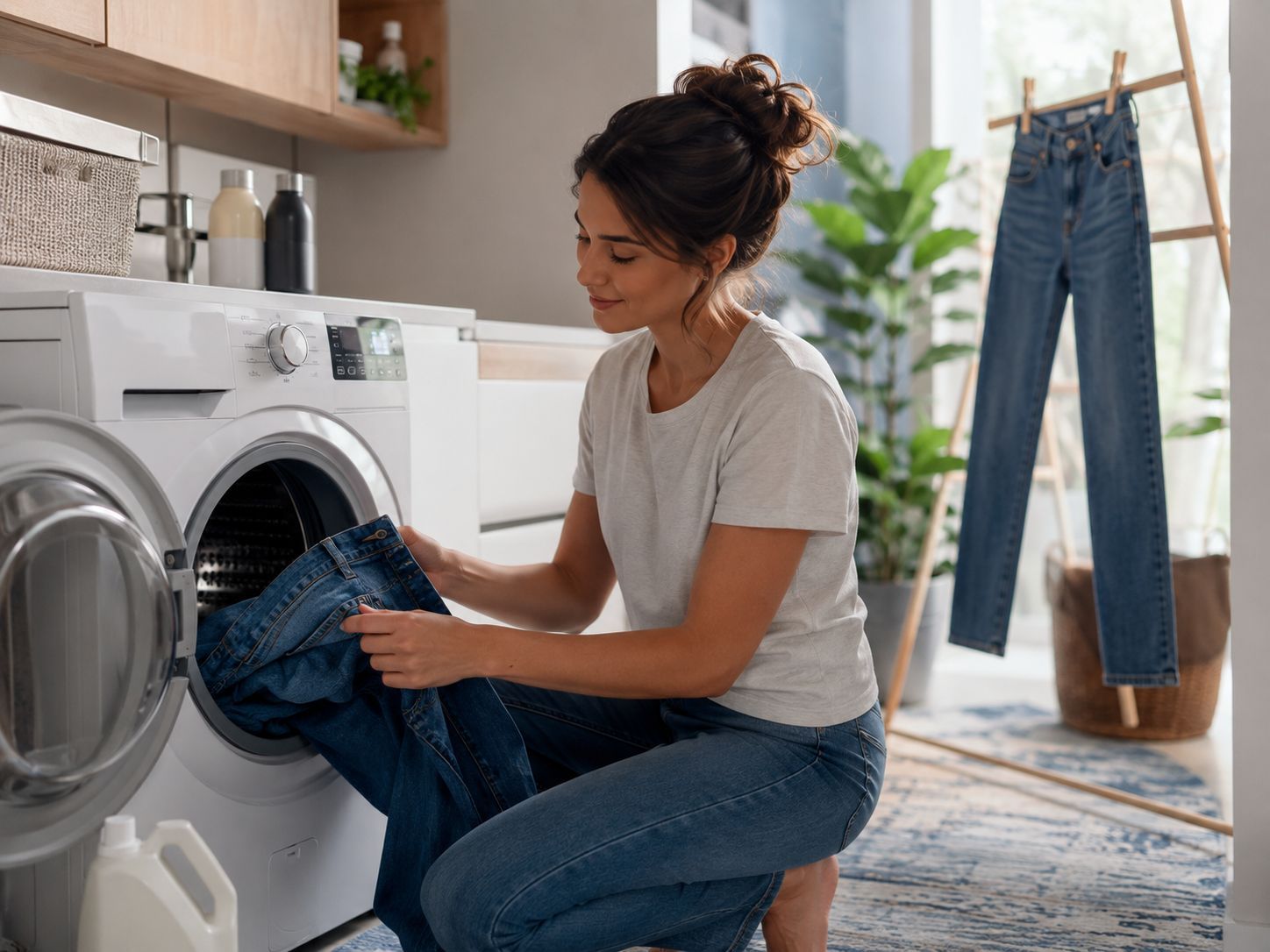
Why Do New Jeans Shrink After Washing?
One of the biggest concerns when washing new jeans is losing the original fit.
A customer buys jeans because of a specific silhouette:
A relaxed baggy shape
A clean straight-leg profile
A stacked effect around the ankle
A fitted skinny appearance
A structured vintage look
After washing, even small measurement changes can affect the entire wearing experience.
But why does shrinkage happen?
The main reason is the natural behavior of cotton fibers.
Cotton is a natural material. During manufacturing, fibers are stretched, woven, dyed, and finished under controlled tension. When exposed to water and heat, those fibers can relax and return closer to their natural state.
This can create changes in:
Waist measurement
Hip width
Thigh circumference
Leg opening
Inseam length
The amount of shrinkage depends on several factors.
| Factor | Shrinkage Impact |
| 100% cotton denim | Higher potential shrinkage |
| Stretch denim | Lower length shrinkage but heat may damage elasticity |
| Raw denim | Higher risk without pre-shrinking |
Sanforized denim | Reduced shrinkage |
Hot drying | Highest shrinkage risk |
Cold air drying | Lowest shrinkage risk |
Raw Denim vs Washed Denim: Shrinkage Differences
Not all jeans behave the same after washing.
Raw Denim
Raw denim often has more unpredictable behavior because it has not experienced a final washing process.
Some unsanforized raw denim can shrink significantly after washing.
Potential changes:
Waist: noticeable reduction
Length: possible shortening
Overall fit: tighter initially
This is why experienced denim buyers often consider sizing carefully before purchasing raw denim.
Washed Denim
Most modern jeans are already processed in factories.
Professional denim washing includes steps such as:
Desizing
Enzyme washing
Shrinkage control
Softening
Color stabilization
Because of this, washed jeans usually have more predictable measurements.
For fashion brands, this is extremely important.
A customer ordering the same size should receive a consistent experience every time.
How Do You Wash Jeans Without Losing Color?
Color is one of the most important elements of denim.
When customers choose jeans, they are often attracted by:
Indigo depth
Vintage fading
Washed appearance
Contrast between dark and light areas
The challenge is understanding that some fading is natural, but uncontrolled fading damages the product experience.
Why Does Denim Fade?
Denim is traditionally dyed with indigo.
Unlike many synthetic dyes that penetrate deeply into fibers, indigo attaches mainly to the outer surface of cotton yarn.
This creates denim’s famous aging process.
Over time:
Friction removes surface dye
Washing reduces excess indigo
Daily movement creates unique fading
This is why two people wearing the same pair of jeans can eventually create completely different results.
Practical Ways to Protect Denim Color
1. Wash Less Frequently
Frequent washing is one of the fastest ways to remove color.
Instead:
Air jeans after wearing
Remove small stains locally
Wash only when necessary
2. Avoid Strong Chemicals
Avoid:
Bleach
Whitening products
Harsh stain removers
These can create uneven color loss.
3. Avoid Excessive Mechanical Friction
The washing machine itself creates friction.
For premium denim:
Use gentle cycles
Wash separately
Avoid overloading the machine
4. Follow the Manufacturer’s Care Instructions
Different washes require different maintenance.
For example:
A heavily distressed jean with hand sanding and repair details may require different care compared with a clean indigo straight jean.
This is why professional denim brands spend significant time developing washing instructions.
How Often Should You Wash Brand New Jeans?
There is no universal answer because jeans are worn in different environments.
A person wearing jeans casually on weekends has different needs from someone wearing denim every day.
A practical guideline:
| Denim Type | Recommended Washing Frequency |
| Everyday washed jeans | Every 5–10 wears |
| Premium denim | When necessary |
| Raw denim | Several weeks to several months |
Work denim | Based on dirt and usage |
The goal is not avoiding washing forever.
The goal is maintaining the balance between:
Cleanliness
Fabric strength
Color development
Comfort
How Should You Care for Premium Denim Jeans?
Premium denim requires more careful maintenance because its value comes from fabric quality, construction details, and specialized finishing. The best care method is washing less frequently, using cold water, choosing gentle detergents, and avoiding high heat. Proper care helps premium jeans maintain their shape while allowing natural character and aging to develop over time.
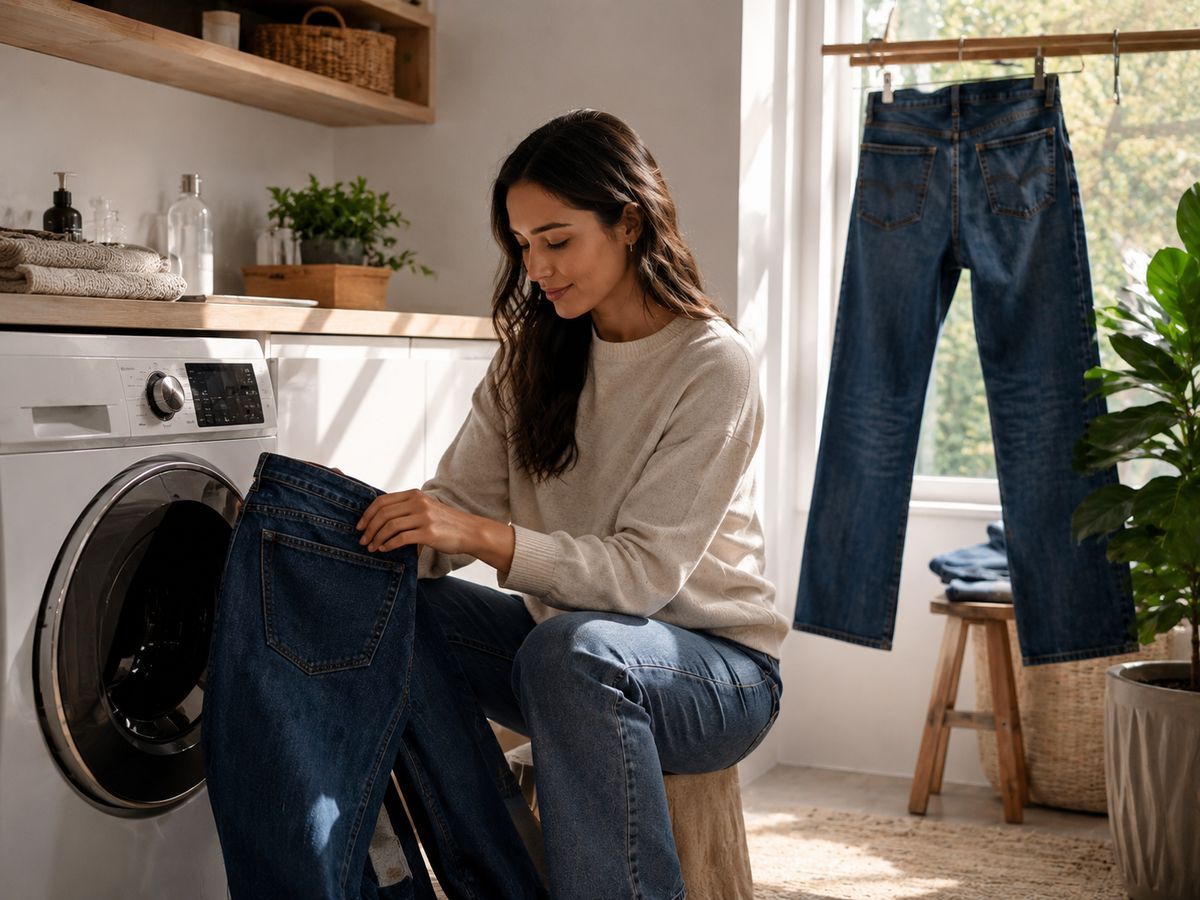
How to Care for Madewell Jeans and Similar Premium Denim Brands
Madewell jeans are a good example of modern premium everyday denim.
They are designed to combine:
Comfort
Wearability
Modern fits
Long-term use
Like many premium denim brands, Madewell recommends gentle care methods rather than aggressive washing routines.
The same principles apply to many premium denim products.
Recommended care:
Wash Less Often
Instead of washing after every wear:
Air them out
Spot clean small areas
Wash only when needed
This protects:
Color
Fabric softness
Shape retention
Use Cold Water
Cold washing helps maintain:
Indigo color
Fabric structure
Stretch recovery
This is especially important for jeans containing elastane.
Avoid High Heat
Premium denim should usually avoid:
Hot dryers
Excessive ironing temperatures
Heat can affect:
Cotton structure
Stretch fibers
Finishing effects
How Is Premium Denim Care Different From Regular Jeans?
The difference is not that premium jeans are fragile.
Actually, high-quality denim is often stronger.
The difference is that premium denim has more value built into every detail.
| Regular Jeans | Premium Denim |
| Mainly focused on low cost | Focused on material and craftsmanship |
| Standard washing | Specialized finishing |
| Faster replacement cycle | Long-term ownership |
Appearance stays similar | Develops character over time |
A premium pair of jeans should become better with age.
That is why denim enthusiasts often say:
“Good jeans tell your story.”
How Can Brands Help Customers Maintain Denim Quality?
For fashion brands, customer education is part of product value.
A customer who understands how to care for denim is more likely to:
Appreciate the product
Experience better durability
Purchase again
Recommend the brand
Brands can improve customer experience by providing:
Clear care labels
Washing instructions
Fabric information
Explanation of special finishes
For example:
A customer buying distressed jeans should understand that handmade fading and abrasion details are intentionally created.
A customer buying raw denim should understand why early washing changes the aging process.
Good communication reduces complaints and increases perceived product value.
How Do Denim Brands Wash Jeans During Production?
Professional denim factories use controlled washing techniques such as enzyme wash, stone wash, laser fading, PP spray, and hand sanding to create specific appearances while maintaining consistency. Unlike home washing, factory washing requires precise control of chemicals, temperature, timing, and quality inspection to ensure every pair matches the approved design.
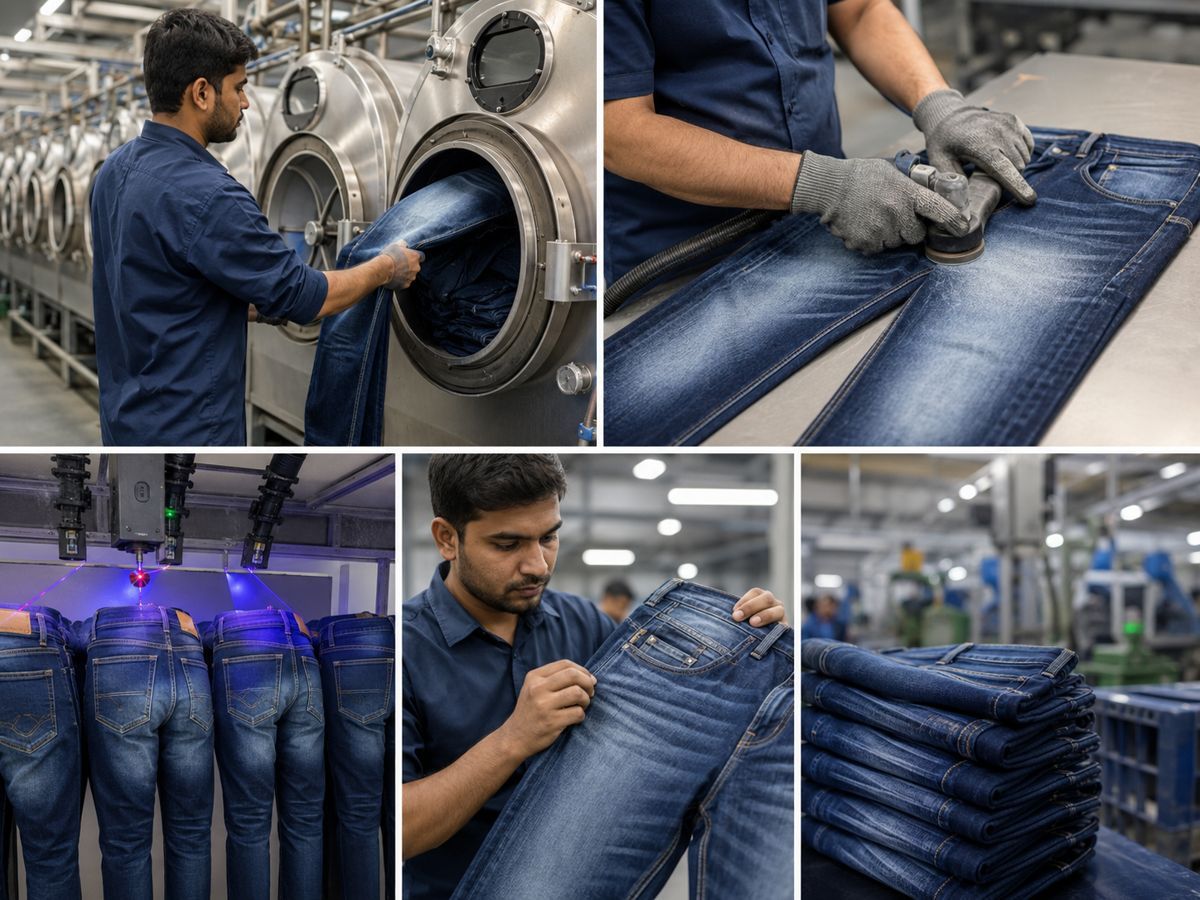
What Washing Techniques Do Denim Factories Use?
Modern denim washing is a combination of technology and craftsmanship.
Common techniques include:
Enzyme Wash
Purpose:
Softens denim
Removes surface fibers
Creates a smoother hand feel
Used for:
Premium casual jeans
Comfortable everyday denim
Stone Wash
Purpose:
Creates vintage appearance
Produces natural fading
Traditional stone washing uses pumice stones to create friction.
Today, many factories combine technology and controlled processes for better consistency.
PP Spray (Potassium Permanganate Spray)
Used for:
Strong contrast fading
Vintage effects
Highlighting areas such as thighs and knees
Common in:
Streetwear denim
Designer jeans
Heavy distressed styles
Laser Fading
Laser technology creates:
Whiskers
Patterns
Vintage effects
Advantages:
More precise
Repeatable
Lower water consumption
Hand Sanding and Distressing
Human craftsmanship creates:
Natural wear appearance
Unique texture
Premium vintage feeling
This is especially important for high-end streetwear brands where customers expect authentic details.
Why Does Factory Washing Create Different Results From Home Washing?
Home washing is mainly for cleaning.
Factory washing is part of product development.
A denim factory controls:
Water temperature
Washing time
Chemical concentration
Mechanical movement
Drying conditions
Before bulk production, professional brands usually approve:
Wash samples
Color standards
Measurements
Final appearance
A beautiful sample is not enough.
The challenge is reproducing that same result across:
100 pieces
1,000 pieces
10,000 pieces
This is where manufacturing experience matters.
How Do Denim Manufacturers Control Wash Quality for Large Orders?
For brands, consistency is everything.
Imagine ordering 5,000 pairs of jeans and receiving different shades between batches.
The customer immediately notices.
Professional denim production requires:
Fabric Testing
Before production:
Fabric shrinkage testing
Color testing
Stretch recovery testing
Wash Approval
Brands review:
Sample appearance
Color intensity
Softness
Measurements
Bulk Production Control
Factories monitor:
Washing parameters
Shade consistency
Final inspection
Why Choose an Experienced Denim Manufacturer?
Creating jeans is not only about sewing fabric together.
A successful denim product requires understanding:
Fashion trends
Customer expectations
Fabric behavior
Washing chemistry
Production consistency
At DiZNEW, we specialize in custom denim development for brands, designers, and online fashion businesses.
With more than 20 years of denim manufacturing experience, our capabilities include:
Custom jeans development
OEM and ODM production
Low MOQ starting from 30 pieces
Large production orders up to 10,000+ pieces
In-house washing capability
Complex denim finishing
Distressed denim
Baggy jeans
Stacked jeans
Straight jeans
Selvedge denim
Denim jackets and shorts
From a designer’s first sketch to the final production piece, our goal is to help brands transform creative ideas into commercially successful denim products.
Final Thoughts: Taking Care of Jeans Starts Before the First Wash
A pair of jeans is not just a garment. It is the result of fabric selection, pattern engineering, washing technology, and craftsmanship.
The first wash is important because it sets the foundation for how denim will perform over time.
For everyday jeans, a gentle cold wash and natural drying are usually enough.
For premium denim, raw denim, and designer jeans, understanding the fabric and finishing process helps you protect the value behind the product.
For fashion brands, choosing the right manufacturing partner is equally important. The quality of denim washing, fabric control, and production experience directly affects how customers perceive the final product.
If you are developing your own custom jeans collection, streetwear denim line, or premium fashion brand, DiZNEW can help turn your denim ideas into production-ready products.
Contact DiZNEW to discuss your custom denim project, fabric options, wash development, sampling, and OEM/ODM manufacturing solutions. Let’s create jeans that do not just look good on the first day — but become better with every wear.
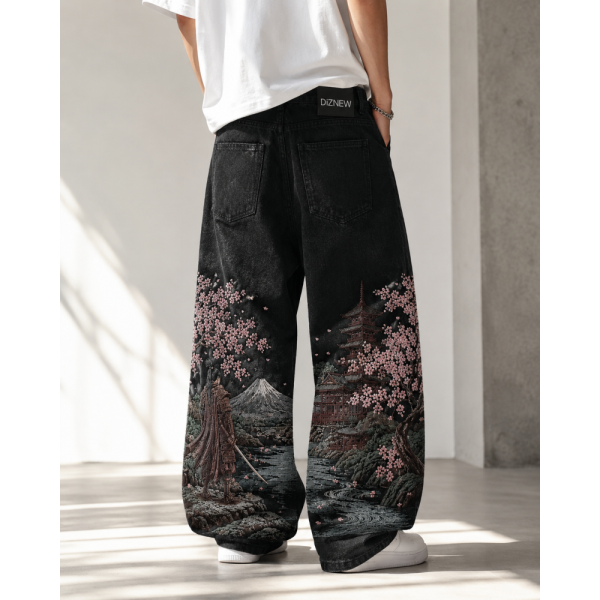
Premium wide-leg denim jeans featuring a vintage washed black finish, detailed Japanese landscape artwork, embroidery-style decoration, and custom brand label options. Designed for streetwear brands, designer labels, and private label collections looking for statement denim with strong visual storytelling.
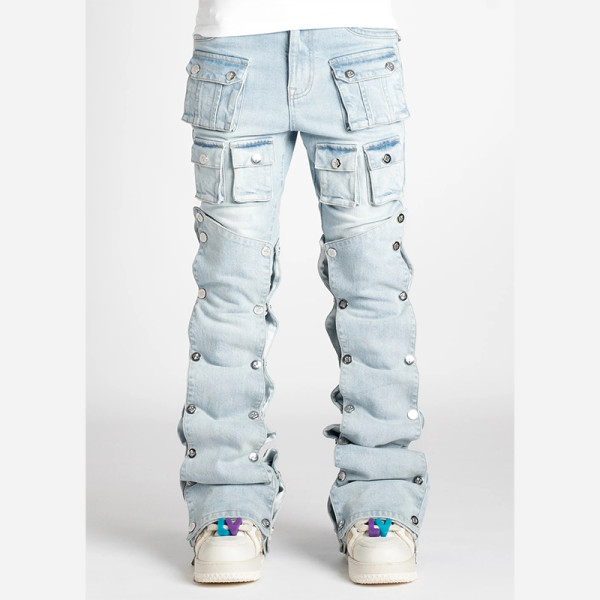
Custom high-street bubble cargo jeans with pleats, metal buttons, and multi-pocket design. Supports small-batch production.
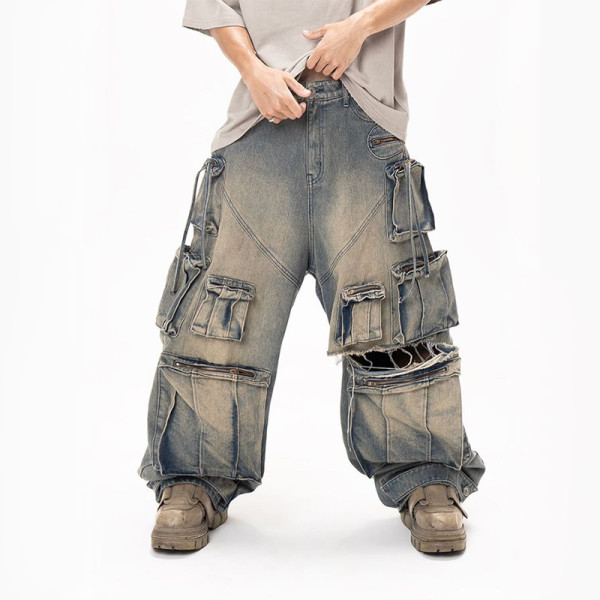
Shop custom cargo denim jeans for men with distressed rips and a loose fit. Personalized designs for a perfect, comfortable fit.
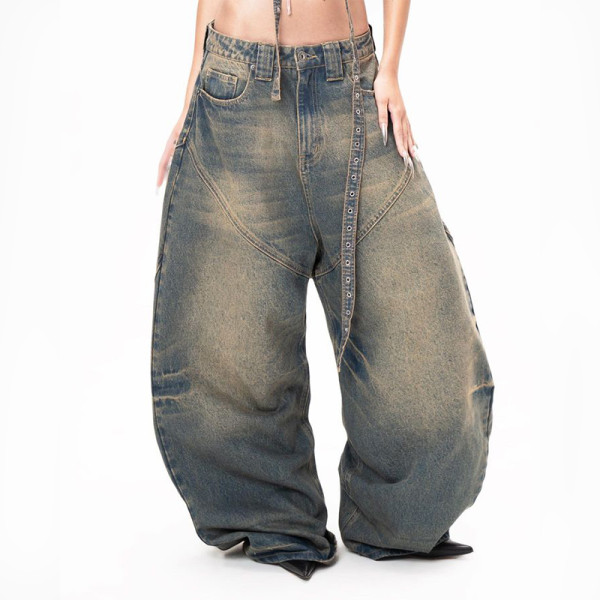
Premium balloon-fit denim featuring architectural panel construction and sculptural design. Custom seaming with vintage wash treatment.